Introduction
Importance of Drafting and Design Services
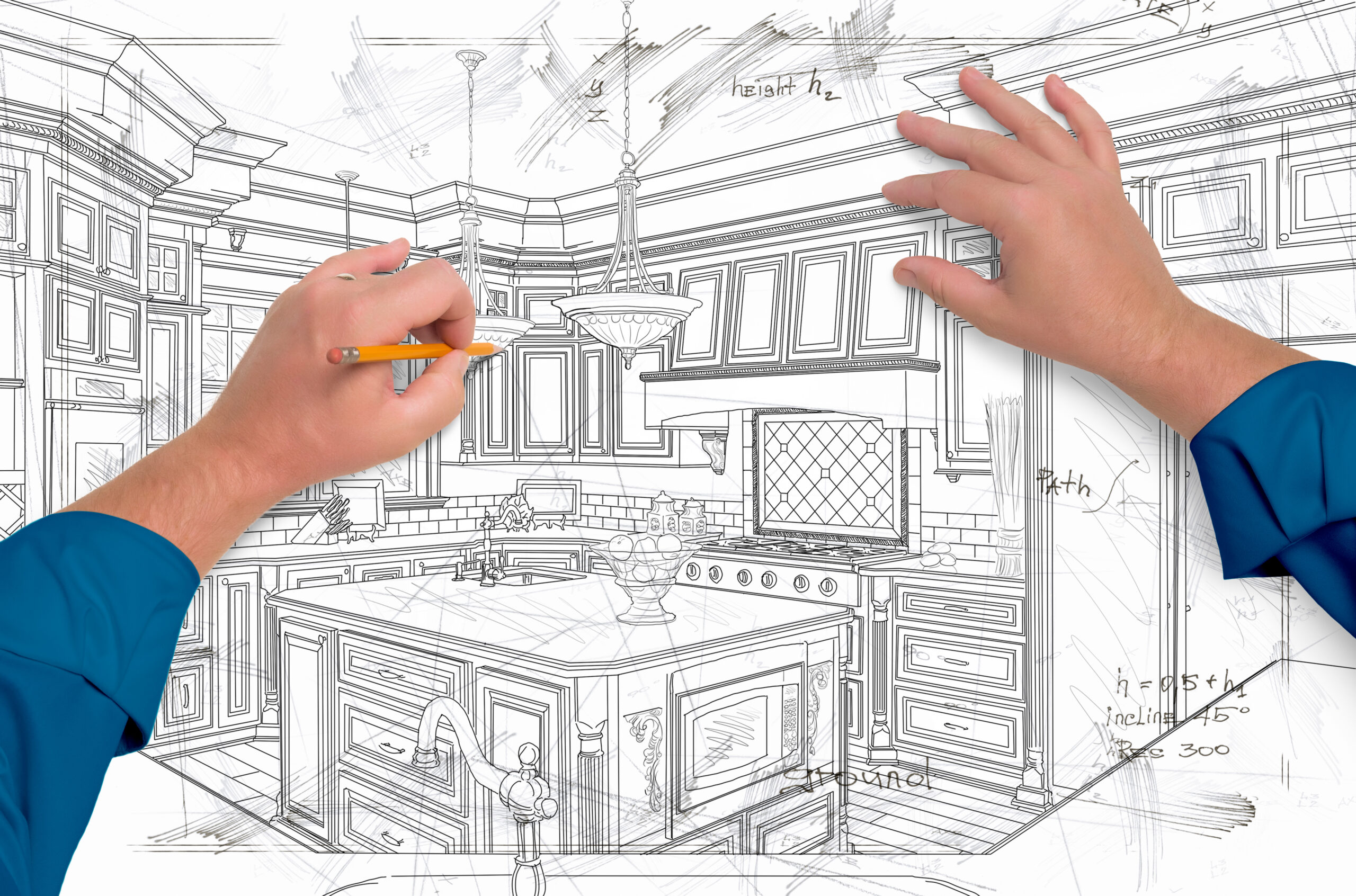
In the world of architecture and construction, drafting and design services play a crucial role. These services help in converting ideas into concrete plans, ensuring that visions are turned into reality while adhering to regulations and industry standards. A professional drafting service not only creates detailed drawings but also ensures that all functional and aesthetic aspects of a project are addressed. This allows clients to visualize their spaces accurately, leading to informed decision-making. Whether it’s a residential build or a commercial development, having competent drafting services can save time, reduce costs, and minimize errors, which is essential for the timely completion of a project.
Benefits of Bringing Your Dream Home to Life
Bringing a dream home to life involves careful planning and execution. Working with experienced designers can elevate the project and ensure everything aligns with the homeowner’s vision. Having a tailored design caters to personal preferences, enhances functionality, and increases the overall value of the property. Additionally, professional drafting services simplify communication between stakeholders, making it easier to address any concerns that may arise during the process. Homeowners can enjoy peace of mind knowing that their project is in capable hands, allowing them to focus on enjoying the journey of creating their dream home. When all aspects—design, implementation, and compliance—are proficiently handled, clients can look forward to not just a house, but a truly personalized sanctuary that meets their every need.

Finding the Right Drafting and Design Team
Factors to Consider
When searching for the right drafting and design team, prospective clients should take several factors into account. First and foremost, it’s essential to assess the team’s experience and expertise in the specific type of project being undertaken. A well-rounded portfolio showcasing a variety of successful projects can indicate a team’s versatility and ability to adapt to different challenges. Additionally, it’s crucial to evaluate client reviews and references, as these provide insights into the team’s reliability and communication skills. Budget alignment is another key factor; clients should ensure that the team can work within their financial constraints while delivering high-quality results. Finally, establishing a good rapport with the team can significantly enhance the collaborative experience, making it easier to convey ideas and expectations throughout the project.
Understanding Your Needs
Understanding individual needs is vital before embarking on a drafting and design project. Clients must articulate their vision clearly, providing as much detail as possible regarding their preferences, lifestyle, and practical requirements. This includes considerations like space utilization, potential future needs, and any special features desired in their designs. Conducting thorough research on design trends and discussing those findings with the drafting team can foster a productive dialogue, ensuring that the final plans align precisely with the client’s aspirations. Ultimately, when clients and their selected drafting and design teams share a common understanding, they can work harmoniously to transform visions into reality, resulting in a successful and satisfying project outcome.
Customizing Your Home Design
Tailoring Layout and Floor Plans
Once clients have a firm grasp of their needs and are clear about their vision, the next step involves tailoring the layout and floor plans to suit those requirements. This process starts with an assessment of how different spaces will interact. Should the living area be open to the kitchen for a more social atmosphere, or should there be distinct separation for privacy? Each decision can significantly affect the overall feel of the home. Moreover, it’s important to consider future living scenarios, such as family growth or the need for home office spaces. A professional drafting and design team can help refine these layouts, ensuring the home remains functional and aesthetically appealing.

Incorporating Personal Preferences
The inclusion of personal preferences is crucial in home design customization. Clients often have unique tastes that embody their lifestyle, which should be reflected in the design. This can range from choosing specific materials and finishes to incorporating elements like natural light and outdoor spaces. By relaying these preferences to the design team, clients can ensure that every aspect of their home resonates with their personality. Additionally, trends in interior design—such as sustainable practices or technology integration—may also play a role in the final outcomes. In understanding and applying these preferences, the drafting and design team can create a living space that not only meets functional needs but also fosters a sense of belonging for the client.
Maximizing Space and Functionality
Optimizing Room Layouts
In the quest for maximizing space and functionality, careful consideration must be given to room layouts. Designers often analyze how each room will be used, ensuring that the arrangement of furniture and fixtures promotes efficiency without sacrificing comfort. Creating designated zones within larger areas can enhance the usability of the space. For example, in an open-concept layout, defining areas for dining, leisure, and entertainment can facilitate functionality. The goal is to create an environment where movement flows smoothly, and each space serves its intended purpose effectively.
Enhancing Flow and Usage
The way a home’s elements interact can significantly impact its overall functionality. A well-thought-out flow is essential. Designers often evaluate sightlines and traffic patterns, ensuring that pathways between rooms are intuitive and unencumbered. Incorporating multifunctional furniture can also maximize space. For instance, using a sofa bed in a guest room or adding storage ottomans in the living area can help maintain the balance between style and practicality. Common areas should feel inviting and conducive to social interaction, encouraging families and guests to connect. Ultimately, by maximizing both space and functionality through thoughtful design choices, clients can achieve a harmonious living environment tailored to their lifestyle.

Selecting Materials and Finishes
Choosing Quality and Aesthetics
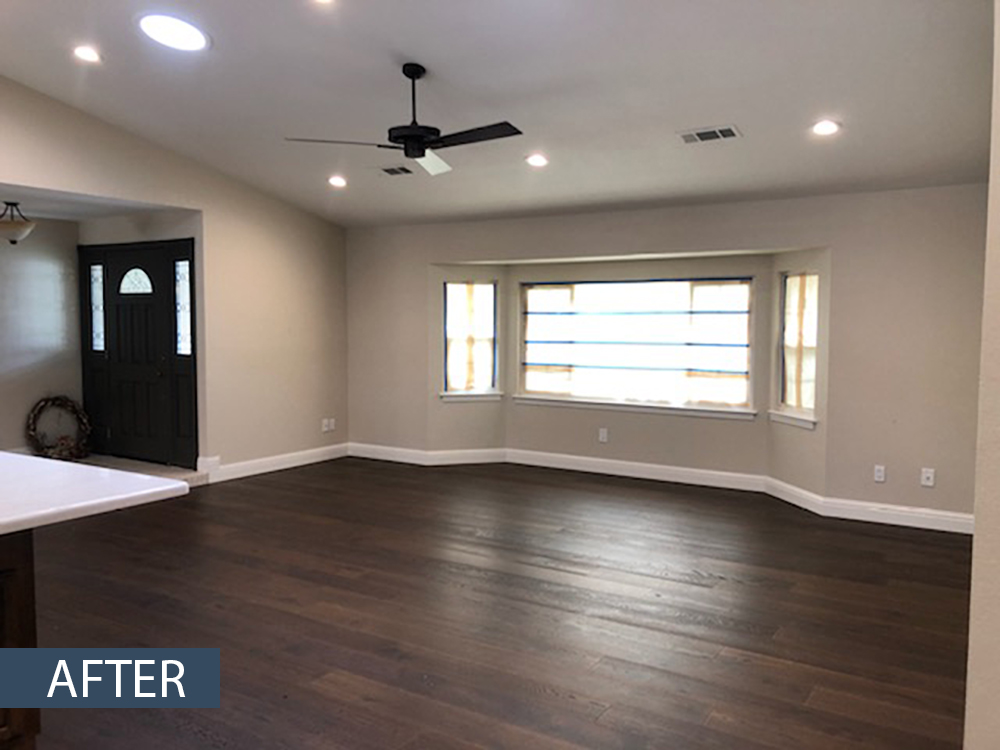
When it comes to selecting materials and finishes for a space, striking a balance between quality and aesthetics is crucial. Designers recommend choosing materials that reflect the client’s style while also meeting functional requirements. High-quality materials not only elevate the visual appeal but also add a sense of permanence to the design. For instance, natural stone or hardwood can provide both elegance and warmth, making a favorable impression. Various textures and colors can enhance the overall ambiance, allowing the design to showcase the individual’s personality. Ultimately, the aesthetic choice should harmonize with the existing architecture and furnishings while remaining practical for everyday use.
Ensuring Durability and Sustainability
In addition to aesthetics, durability and sustainability should also play pivotal roles in material selection. Designers advise opting for materials that withstand wear and tear, especially in high-traffic areas. This consideration not only prolongs the lifespan of the elements but also reduces long-term costs associated with replacements. Furthermore, there is an increasing emphasis on sustainability in design; choosing eco-friendly materials that have minimal environmental impact can contribute to a healthier indoor atmosphere. For example, bamboo flooring and recycled glass countertops are options that embody both style and sustainability. By making informed choices about materials and finishes, clients can create spaces that are not only visually striking but also functional and environmentally responsible, enhancing their living experience.