In an increasingly unpredictable world, the significance of property security cannot be overstated. Homeowners and business proprietors alike are becoming more aware of the need to protect their assets, loved ones, and personal space. A secure property not only deters potential intruders but also fosters a sense of safety and peace of mind for those who inhabit it.
The presence of a robust fencing solution can serve as a formidable barrier against unauthorized access, thereby enhancing the overall security of the premises. Moreover, property security extends beyond mere physical barriers. It encompasses the psychological comfort that comes from knowing that one’s home or business is safeguarded.
A well-constructed fence can act as a visual deterrent, signaling to would-be trespassers that the property is protected. This sense of security can also contribute to the overall value of the property, making it more appealing to potential buyers or renters. In essence, investing in effective fencing solutions is not just about physical protection; it is about creating an environment where individuals feel secure and at ease.
Key Takeaways
- Property security is crucial for the safety and protection of your home and belongings.
- Fencing solutions include options such as chain link, wood, vinyl, aluminum, and wrought iron.
- Different fencing materials have their own advantages and disadvantages in terms of durability, maintenance, and cost.
- When choosing a fencing solution, consider factors such as the purpose of the fence, maintenance requirements, and aesthetic appeal.
- Budgeting for fencing installation should include costs for materials, labor, and any additional features such as gates or decorative elements.
Types of Fencing Solutions
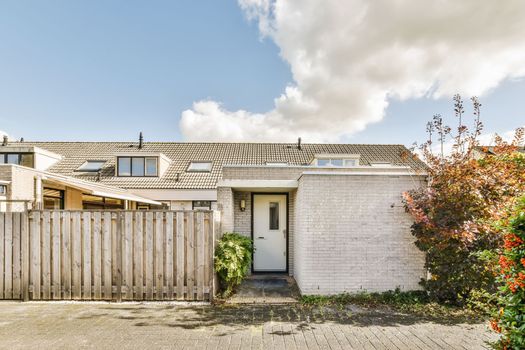
When it comes to fencing solutions, there is a diverse array of options available to suit various needs and preferences. Traditional wooden fences are often favored for their aesthetic appeal and versatility. They can be customized in terms of height, style, and finish, allowing homeowners to create a unique look that complements their property.
Additionally, wooden fences can provide a natural barrier that blends seamlessly with the surrounding landscape. On the other hand, metal fencing solutions, such as wrought iron or chain-link fences, offer durability and strength. These types of fences are particularly effective for commercial properties or areas that require a higher level of security.
Metal fences can withstand harsh weather conditions and are less prone to damage compared to their wooden counterparts. Furthermore, they can be designed to enhance visibility while still providing a protective barrier, making them an excellent choice for both security and aesthetics.
Advantages and Disadvantages of Different Fencing Materials

Each fencing material comes with its own set of advantages and disadvantages that should be carefully considered before making a decision. Wooden fences, for instance, are often praised for their natural beauty and ability to blend into various landscapes. They can be painted or stained to match the property’s exterior, providing a customizable look.
However, wooden fences require regular maintenance to prevent rot, warping, and insect damage. Over time, they may need to be replaced or repaired, which can add to the overall cost. In contrast, metal fencing materials like aluminum or steel offer exceptional durability and low maintenance requirements.
They are resistant to weather-related wear and tear, making them a long-lasting option for property owners. However, metal fences can sometimes lack the warmth and charm associated with wood. Additionally, they may be more expensive upfront compared to wooden options.
Ultimately, the choice of fencing material will depend on individual preferences, budget constraints, and the specific needs of the property.
Factors to Consider When Choosing a Fencing Solution
Selecting the right fencing solution involves careful consideration of several factors that can influence both functionality and aesthetics. One of the primary considerations is the purpose of the fence. Is it intended primarily for security, privacy, or decorative purposes?
Understanding the primary function will help narrow down the options available. For instance, if security is the main concern, a taller fence made from durable materials may be necessary. Another important factor is the local climate.
Different materials respond differently to environmental conditions; for example, wood may not be ideal in areas with high humidity or frequent rainfall due to its susceptibility to rot. Conversely, metal fences may be more suitable in regions prone to strong winds or heavy snowfall. Additionally, property lines and zoning regulations should be taken into account to ensure compliance with local laws and avoid potential disputes with neighbors.
Cost and Budgeting for Fencing Installation
Budgeting for fencing installation is a crucial step in the decision-making process. The cost of fencing can vary significantly based on factors such as material choice, fence height, length, and installation complexity. Wooden fences may initially appear more affordable; however, when factoring in maintenance costs over time, they may not be as economical as they seem.
On the other hand, while metal fences may have a higher upfront cost, their longevity and low maintenance requirements can make them a more cost-effective choice in the long run. It is also essential to consider additional expenses that may arise during installation. These can include permits, labor costs, and any necessary site preparation work.
Obtaining multiple quotes from contractors can provide valuable insight into market rates and help ensure that you stay within your budget. By carefully planning and considering all potential costs associated with fencing installation, property owners can make informed decisions that align with their financial capabilities.
Maintenance and Longevity of Fencing Solutions

The longevity of a fencing solution is heavily influenced by its maintenance requirements. Wooden fences typically require regular upkeep to maintain their appearance and structural integrity. This includes periodic staining or painting to protect against moisture and UV damage, as well as inspections for signs of rot or insect infestation.
Neglecting these maintenance tasks can lead to costly repairs or premature replacement. In contrast, metal fences generally require less maintenance due to their inherent durability. While they may need occasional cleaning to remove dirt or rust buildup, they do not suffer from issues like rot or insect damage.
However, it is still important to inspect metal fences regularly for any signs of corrosion or structural weakness. By understanding the maintenance needs associated with different fencing materials, property owners can make choices that align with their willingness and ability to perform upkeep over time.
Local Regulations and Permits for Fencing Installation
Before embarking on a fencing project, it is essential to familiarize oneself with local regulations and permit requirements. Many municipalities have specific guidelines regarding fence height, design, and placement that must be adhered to in order to avoid fines or forced removal of non-compliant structures. These regulations are often put in place to maintain neighborhood aesthetics and ensure safety.
Obtaining the necessary permits is another critical step in the process. Depending on the location and scope of the project, permits may be required before installation can begin. This often involves submitting plans for review by local authorities to ensure compliance with zoning laws and building codes.
Engaging with local officials early in the planning process can help streamline this aspect of fencing installation and prevent potential delays.
Choosing a Reputable Fencing Contractor
Selecting a reputable fencing contractor is paramount to ensuring a successful installation process. A qualified contractor will not only possess the necessary skills and experience but will also be familiar with local regulations and permit requirements. When searching for a contractor, it is advisable to seek recommendations from friends or family members who have had similar work done or to consult online reviews.
Once potential contractors have been identified, it is important to conduct interviews and request quotes from multiple sources. This allows property owners to compare services offered as well as pricing structures. A reputable contractor should provide clear communication throughout the process and be willing to address any questions or concerns that may arise.
By taking the time to choose a qualified contractor, property owners can ensure that their fencing project is completed efficiently and meets their expectations for quality and durability. In conclusion, investing in a fencing solution is an important decision that requires careful consideration of various factors including security needs, material options, costs, maintenance requirements, local regulations, and contractor selection. By understanding these elements thoroughly, property owners can make informed choices that enhance both the safety and aesthetic appeal of their properties while ensuring long-term satisfaction with their investment.
FAQs
What are the benefits of installing a fence for property security in Carson Valley?
Installing a fence can provide privacy, deter trespassers, and enhance the overall security of a property in Carson Valley. It can also add value to the property and create a safe space for children and pets to play.
What are the different types of fencing solutions available for property security in Carson Valley?
Some common fencing solutions for property security in Carson Valley include chain-link fences, wooden fences, vinyl fences, wrought iron fences, and aluminum fences. Each type of fence offers different levels of security, durability, and aesthetic appeal.
What factors should be considered when choosing a fencing solution for property security in Carson Valley?
When choosing a fencing solution for property security in Carson Valley, factors to consider include the desired level of security, the property’s aesthetic and architectural style, maintenance requirements, local regulations and homeowner association rules, and budget.
Are there any regulations or permits required for installing a fence for property security in Carson Valley?
In Carson Valley, property owners may need to obtain permits or adhere to specific regulations when installing a fence. It is important to check with local authorities and homeowner associations to ensure compliance with any requirements.
How can I find a reputable fencing contractor in Carson Valley for property security installation?
To find a reputable fencing contractor in Carson Valley, property owners can ask for recommendations from friends, family, and neighbors, research online reviews, and request quotes from multiple contractors. It is important to choose a licensed and insured contractor with a proven track record of quality work.