Upgrading the electrical systems in historical homes is a crucial step in ensuring both safety and functionality. Many older homes were built at a time when electrical standards were vastly different from today’s requirements. As a result, these homes often have outdated wiring, insufficient power supply, and inadequate grounding systems.
Such deficiencies can pose significant risks, including electrical fires and electrocution. By modernizing the electrical system, homeowners not only enhance safety but also improve the overall livability of their homes. Moreover, an upgraded electrical system can significantly increase the value of a historical home.
Potential buyers are often wary of properties with outdated electrical systems due to the associated risks and costs of repairs. By investing in modern electrical upgrades, homeowners can make their properties more appealing to prospective buyers, ensuring that they retain or even increase their market value. Additionally, modern systems can accommodate contemporary technology, such as smart home devices, which are increasingly sought after in today’s real estate market.
Key Takeaways
- Upgrading historical home electrical systems is important for safety, efficiency, and modern convenience.
- Assess the current electrical system in your historical home to identify potential hazards and areas for improvement.
- Hiring a qualified electrician is crucial for ensuring the proper and safe upgrading process for your historical home.
- Choose the right electrical upgrades that balance modern functionality with preserving the historical integrity of your home.
- Ensure safety and compliance with building codes during the upgrading process to avoid potential hazards and legal issues.
Assessing the Current Electrical System in Your Historical Home
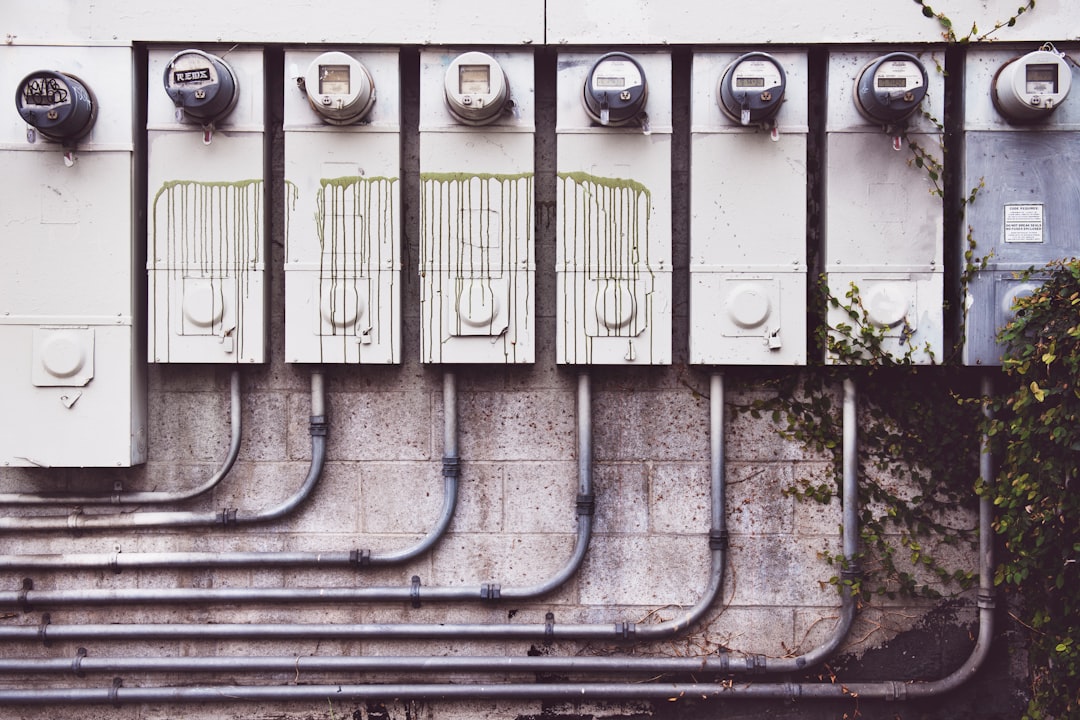
Before embarking on any upgrades, it is essential to conduct a thorough assessment of the existing electrical system. This evaluation should include an inspection of the wiring, circuit breakers, outlets, and any other components that make up the electrical infrastructure. Homeowners should look for signs of wear and tear, such as frayed wires or discolored outlets, which may indicate potential hazards.
It is also important to check the capacity of the current system to determine if it can handle modern electrical demands. In addition to a visual inspection, it may be beneficial to consult with a qualified electrician who specializes in historical homes. These professionals can provide insights into the specific challenges associated with older electrical systems and recommend necessary upgrades.
They can also identify any code violations that may need to be addressed during the upgrading process. By understanding the current state of the electrical system, homeowners can make informed decisions about the necessary improvements.
Hiring a Qualified Electrician for the Upgrading Process

Selecting the right electrician is a critical step in the upgrading process. Homeowners should seek professionals who have experience working with historical homes and are familiar with the unique challenges they present. A qualified electrician will not only possess the technical skills required for the job but will also understand the importance of preserving the home’s historical integrity while making necessary upgrades.
When hiring an electrician, it is advisable to check their credentials, including licenses and insurance. Homeowners should also ask for references or examples of previous work on similar projects. A reputable electrician will be happy to provide this information and discuss their approach to upgrading electrical systems in historical homes.
By choosing a qualified professional, homeowners can ensure that the work is completed safely and efficiently, minimizing potential disruptions to their daily lives.
Choosing the Right Electrical Upgrades for Your Historical Home
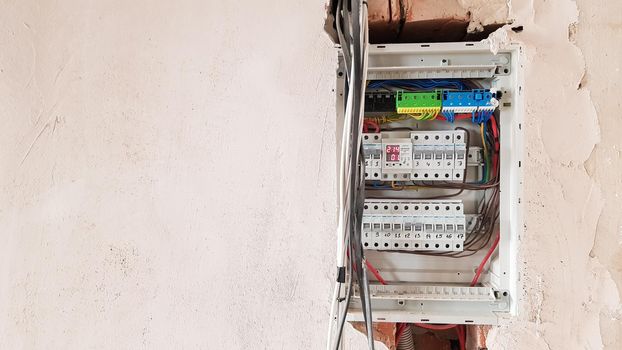
When it comes to selecting electrical upgrades for a historical home, homeowners have several options to consider. The first step is to determine the specific needs of the household. For instance, if there are frequent power outages or tripped circuit breakers, it may be necessary to upgrade the service panel to accommodate higher amperage.
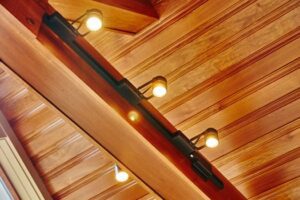
Additionally, installing new outlets in strategic locations can enhance convenience and accessibility throughout the home. Another important consideration is the integration of modern technology while maintaining the home’s historical character. Homeowners may want to explore options such as energy-efficient lighting fixtures that complement the home’s aesthetic or smart home systems that can be discreetly installed without compromising design elements.
It is essential to strike a balance between modern functionality and historical preservation, ensuring that upgrades enhance the home without detracting from its unique charm.
Ensuring Safety and Compliance with Building Codes
Safety should always be a top priority when upgrading electrical systems in historical homes. Local building codes dictate specific requirements for electrical installations, and it is crucial to ensure that all upgrades comply with these regulations. Failure to adhere to building codes can result in fines, legal issues, and increased safety risks.
Homeowners should work closely with their chosen electrician to ensure that all upgrades meet current safety standards. This may involve installing ground fault circuit interrupters (GFCIs) in areas where water is present or ensuring that all wiring is properly grounded. Additionally, obtaining necessary permits before beginning any work is essential for compliance and safety assurance.
By prioritizing safety and adherence to building codes, homeowners can protect themselves and their properties from potential hazards.
Preserving the Historical Integrity of Your Home During the Upgrading Process
One of the most significant challenges when upgrading electrical systems in historical homes is preserving their architectural integrity. Homeowners must be mindful of how upgrades may impact the home’s original features and design elements. This requires careful planning and consideration throughout the upgrading process.
To maintain historical integrity, homeowners should opt for upgrades that are minimally invasive and reversible whenever possible. For example, using surface-mounted wiring instead of tearing into walls can help preserve original plaster or woodwork. Additionally, selecting fixtures and materials that are in keeping with the home’s period style can enhance its character while providing modern functionality.
Collaborating with professionals who understand both electrical systems and historical preservation can help ensure that upgrades are executed thoughtfully and respectfully.
Budgeting and Financing Options for Upgrading Historical Home Electrical Systems
Upgrading electrical systems in historical homes can be a significant financial investment, so it is essential for homeowners to establish a realistic budget before beginning any work. This budget should account for not only materials and labor but also potential unforeseen expenses that may arise during the upgrading process. It is wise to set aside a contingency fund to cover unexpected costs related to hidden issues discovered during renovations.
Homeowners may also explore various financing options available for such projects. Some local governments offer grants or low-interest loans specifically for preserving historical properties, which can help offset costs. Additionally, energy efficiency upgrades may qualify for tax credits or rebates, providing further financial relief.
By researching available funding opportunities and creating a comprehensive budget, homeowners can better manage their financial commitments while upgrading their electrical systems.
Enjoying the Benefits of a Modernized Electrical System in Your Historical Home
Once the upgrading process is complete, homeowners can enjoy numerous benefits associated with a modernized electrical system. Enhanced safety features provide peace of mind, knowing that potential hazards have been addressed and mitigated. Furthermore, improved functionality allows for greater convenience in daily life, accommodating modern appliances and technology seamlessly.
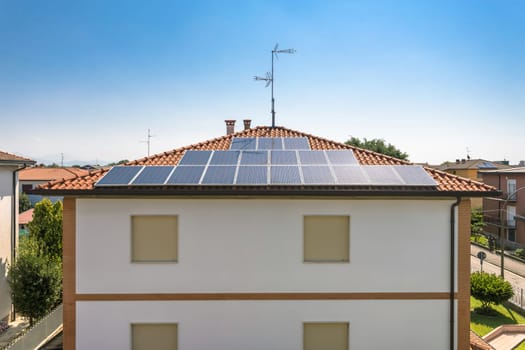
Additionally, a modernized electrical system can lead to increased energy efficiency, resulting in lower utility bills over time. Homeowners may find that they can enjoy more comfortable living spaces with better lighting and climate control options. Ultimately, upgrading the electrical system not only enhances safety and functionality but also contributes to preserving the historical value of the home for future generations to appreciate and enjoy.
FAQs
What are the common electrical issues in historical homes in Minden-Gardnerville?
Common electrical issues in historical homes in Minden-Gardnerville include outdated wiring, insufficient outlets, inadequate electrical capacity, and potential safety hazards.
Why is it important to upgrade the electrical system in a historical home?
Upgrading the electrical system in a historical home is important to ensure safety, meet modern electrical demands, and comply with current building codes and regulations.
What are the benefits of upgrading the electrical system in a historical home?
The benefits of upgrading the electrical system in a historical home include improved safety, increased energy efficiency, enhanced functionality, and increased property value.
What are the challenges of upgrading the electrical system in a historical home?
Challenges of upgrading the electrical system in a historical home may include preserving the home’s historical integrity, navigating potential structural limitations, and working with existing architectural features.
What are some common upgrades for historical home electrical systems?
Common upgrades for historical home electrical systems include rewiring, adding new outlets, upgrading the electrical panel, installing modern lighting fixtures, and incorporating smart home technology.
How can I find a qualified electrician for upgrading my historical home’s electrical system in Minden-Gardnerville?
You can find a qualified electrician for upgrading your historical home’s electrical system in Minden-Gardnerville by asking for recommendations from local historical preservation organizations, researching online reviews, and ensuring the electrician is licensed and experienced in working with historical homes.