Energy-efficient lighting design is a crucial aspect of modern architecture and interior design, as it not only enhances the aesthetic appeal of a space but also significantly reduces energy consumption. The importance of this design approach lies in its ability to create a comfortable and inviting atmosphere while minimizing the environmental impact. By utilizing energy-efficient lighting solutions, homeowners can lower their electricity bills and contribute to a more sustainable future.
This dual benefit makes energy-efficient lighting an essential consideration for anyone looking to build or renovate a home. Moreover, energy-efficient lighting design goes beyond mere functionality; it plays a vital role in enhancing the overall quality of life within a space. Properly designed lighting can influence mood, productivity, and even health.
For instance, well-lit areas can improve focus and reduce eye strain, while dimly lit spaces can create a sense of relaxation. By prioritizing energy efficiency in lighting design, homeowners can achieve a harmonious balance between aesthetics and practicality, ensuring that their living spaces are both beautiful and sustainable.
Key Takeaways
- Energy-efficient lighting design is important for reducing energy consumption and lowering utility costs.
- Incorporating natural light into home design can help reduce the need for artificial lighting and improve overall well-being.
- Choosing the right light fixtures, such as LED bulbs, can significantly improve energy efficiency and reduce electricity usage.
- Smart lighting controls, such as motion sensors and timers, can maximize energy efficiency by automatically adjusting lighting levels.
- LED lighting offers long-term energy savings, durability, and a wide range of design options for various home automation needs.
Incorporating Natural Light into the Home Design
Natural light is one of the most effective ways to enhance energy efficiency in a home. By strategically incorporating windows, skylights, and open spaces into the design, homeowners can maximize the amount of daylight that enters their living areas. This not only reduces the need for artificial lighting during the day but also creates a more inviting and vibrant atmosphere.
The use of large windows or glass doors can blur the lines between indoor and outdoor spaces, fostering a connection with nature that enhances overall well-being. In addition to aesthetic benefits, natural light has practical advantages as well. It can help regulate indoor temperatures, reducing the reliance on heating and cooling systems.
By allowing sunlight to warm up spaces during colder months, homeowners can save on energy costs while enjoying a cozy environment. Furthermore, incorporating natural light into home design can improve air quality by promoting ventilation and reducing the need for artificial air circulation systems. Overall, embracing natural light is a fundamental aspect of energy-efficient home design that yields both environmental and economic benefits.
Choosing the Right Light Fixtures for Energy Efficiency
Selecting the appropriate light fixtures is essential for achieving energy efficiency in any home. The market offers a wide variety of options, from traditional incandescent bulbs to modern LED fixtures, each with its own energy consumption profile. When choosing light fixtures, it is crucial to consider not only their aesthetic appeal but also their energy performance.
Opting for fixtures that are designed specifically for energy efficiency can lead to significant savings over time. In addition to selecting energy-efficient bulbs, homeowners should also pay attention to the design and placement of light fixtures. For instance, using fixtures that direct light where it is needed most can reduce wasted energy and enhance overall illumination.
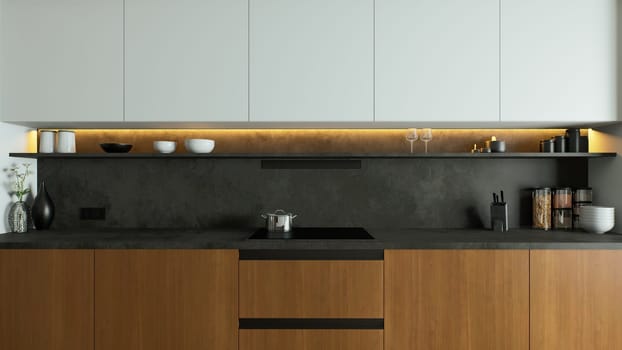
Task lighting, such as desk lamps or under-cabinet lights, can provide focused illumination for specific activities while minimizing the need for overhead lighting. By carefully considering both the type and placement of light fixtures, homeowners can create an energy-efficient lighting scheme that meets their needs without compromising on style.
Utilizing Smart Lighting Controls for Maximum Efficiency
Smart lighting controls are revolutionizing the way homeowners manage their lighting systems. These advanced technologies allow for greater flexibility and control over how and when lights are used, leading to enhanced energy efficiency. With smart lighting systems, homeowners can easily adjust brightness levels, set schedules, and even control lights remotely through smartphone applications.
This level of control not only improves convenience but also helps reduce unnecessary energy consumption. Additionally, smart lighting controls can be integrated with other home automation systems to create a cohesive and efficient living environment. For example, motion sensors can automatically turn lights on or off based on occupancy, ensuring that lights are only used when needed.
Similarly, dimmers can adjust light levels according to the time of day or specific activities, further optimizing energy use. By embracing smart lighting technology, homeowners can take significant strides toward achieving maximum energy efficiency in their homes.
Considering LED Lighting for Long-Term Energy Savings
LED lighting has emerged as one of the most effective solutions for achieving long-term energy savings in residential settings. Unlike traditional incandescent bulbs, which convert a significant portion of energy into heat rather than light, LED bulbs are designed to be highly efficient, converting nearly all their energy into usable light. This efficiency translates into lower electricity bills and reduced environmental impact over time.
Moreover, LED lights have an impressively long lifespan compared to conventional bulbs. While incandescent bulbs may last around 1,000 hours, LED bulbs can last up to 25,000 hours or more. This longevity not only reduces the frequency of replacements but also minimizes waste associated with discarded bulbs.
As homeowners increasingly prioritize sustainability in their choices, LED lighting stands out as a practical and eco-friendly option that aligns with modern energy-efficient practices.
Integrating Lighting Design with Overall Home Automation
The integration of lighting design with overall home automation systems represents a significant advancement in creating energy-efficient living spaces. By connecting lighting controls with other smart home technologies—such as heating, cooling, and security systems—homeowners can achieve a seamless and efficient living environment. This holistic approach allows for coordinated control over various aspects of home management, leading to enhanced comfort and reduced energy consumption.
For instance, automated lighting systems can be programmed to adjust based on the time of day or occupancy patterns. When combined with smart thermostats that regulate temperature based on occupancy, homeowners can create an environment that is both comfortable and energy-efficient. Additionally, integrating lighting with security systems can enhance safety while ensuring that lights are only activated when necessary.
This comprehensive approach to home automation not only simplifies daily routines but also promotes sustainable living practices.
Collaborating with a Lighting Designer for Customized Solutions
Working with a professional lighting designer can provide homeowners with tailored solutions that maximize energy efficiency while enhancing the overall aesthetic of their spaces. A skilled designer brings expertise in understanding how different types of lighting interact with architectural elements and interior decor. By collaborating with a designer, homeowners can develop a customized lighting plan that meets their specific needs and preferences.
A lighting designer can assess the unique characteristics of a space and recommend appropriate fixtures, placement strategies, and control systems that align with energy-efficient principles. They can also help identify opportunities for incorporating natural light and optimizing existing electrical systems for better performance. This level of personalized attention ensures that homeowners achieve not only functional but also visually appealing results that contribute to an energy-efficient lifestyle.
Evaluating the Environmental and Cost Benefits of Energy-Efficient Lighting
The environmental and cost benefits of energy-efficient lighting are substantial and far-reaching. By reducing energy consumption through thoughtful design choices and advanced technologies, homeowners contribute to lower greenhouse gas emissions and decreased reliance on fossil fuels. This shift toward sustainability is essential in addressing climate change and promoting a healthier planet for future generations.
From a financial perspective, investing in energy-efficient lighting solutions leads to significant long-term savings on utility bills. While there may be an initial investment in high-quality fixtures or smart controls, the reduction in energy costs quickly offsets these expenses over time. Additionally, many regions offer incentives or rebates for adopting energy-efficient technologies, further enhancing the financial appeal of these choices.
Ultimately, evaluating both environmental impact and cost savings underscores the importance of prioritizing energy-efficient lighting in modern home design.

FAQs
What is energy-efficient lighting design?
Energy-efficient lighting design refers to the use of lighting fixtures and systems that consume less energy while providing adequate illumination. This can include the use of LED lights, dimmer switches, and natural lighting solutions to reduce energy consumption and lower electricity bills.
Why is energy-efficient lighting important for custom homes?
Energy-efficient lighting is important for custom homes because it helps reduce energy consumption, lower electricity bills, and minimize the environmental impact of the home. Additionally, it can enhance the overall design and functionality of the home by providing better quality lighting and control options.
What are some energy-efficient lighting options for custom homes?
Some energy-efficient lighting options for custom homes include LED light fixtures, compact fluorescent lamps (CFLs), dimmer switches, occupancy sensors, and natural lighting solutions such as skylights and windows. These options can help reduce energy consumption and provide better lighting control.
How can energy-efficient lighting design improve the aesthetics of a custom home?
Energy-efficient lighting design can improve the aesthetics of a custom home by providing better quality lighting, enhancing the ambiance of different spaces, and allowing for more creative lighting designs. LED lights, for example, come in various color temperatures and can be used to create different moods and atmospheres in a home.
What are the cost benefits of energy-efficient lighting design for custom homes?
The cost benefits of energy-efficient lighting design for custom homes include lower electricity bills, longer lifespan of LED lights and other energy-efficient fixtures, reduced maintenance costs, and potential incentives or rebates from utility companies for using energy-efficient lighting. Over time, these cost benefits can result in significant savings for homeowners.