Older homes often possess a unique charm and character that many homeowners find appealing. However, the electrical systems in these residences can be significantly outdated, posing potential risks to safety and functionality. Typically, homes built several decades ago were designed with electrical systems that reflect the standards and technologies of their time.
This means that the wiring, circuit breakers, and outlets may not meet current safety codes or accommodate modern electrical demands. In many cases, older homes were equipped with knob-and-tube wiring or aluminum wiring, both of which are now considered less safe than contemporary copper wiring. Knob-and-tube systems lack grounding conductors, which are essential for preventing electrical shocks and fires.
Additionally, the capacity of older electrical systems is often insufficient for today’s energy needs, as households now rely on numerous electronic devices and appliances that require more power than what older systems can provide. Understanding these fundamental differences is crucial for homeowners who wish to maintain the safety and efficiency of their electrical systems.
Key Takeaways
- Older homes may have outdated electrical systems that may not meet current safety standards
- Common electrical hazards in older homes include outdated wiring, overloaded circuits, and lack of ground fault circuit interrupters (GFCIs)
- Signs of electrical problems in older homes include flickering lights, frequently tripped circuit breakers, and burning smells
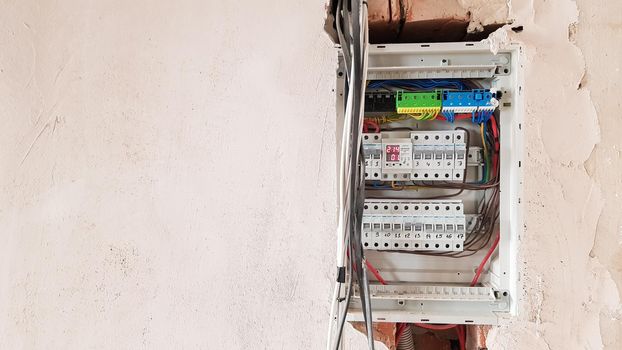
- Upgrading electrical systems in older homes may involve replacing old wiring, installing GFCIs, and upgrading the electrical panel
- Regular electrical inspections are important to identify and address potential hazards in older homes
- Residents of older homes should take safety precautions such as using surge protectors, avoiding overloading outlets, and testing smoke detectors regularly
- Hiring a qualified electrician for electrical work in older homes is crucial to ensure the work is done safely and up to code
- Resources for learning more about electrical safety in older homes include local building codes, electrical safety organizations, and qualified electricians
Common Electrical Hazards in Older Homes
The risks associated with outdated electrical systems in older homes are numerous and varied. One of the most prevalent hazards is the potential for electrical fires, which can occur due to faulty wiring, overloaded circuits, or outdated electrical panels. In many cases, older homes may have fewer circuits than necessary to handle the load of modern appliances, leading to overheating and increased fire risk.
Furthermore, deteriorating insulation on wires can expose conductive materials, creating a direct path for electricity to escape and potentially ignite surrounding materials. Another common hazard is the presence of ungrounded outlets. Many older homes were built before the introduction of three-prong grounded outlets, which are now standard in new constructions.
Ungrounded outlets can lead to electrical shocks when devices are plugged in, especially if they are not properly insulated or if they come into contact with water. Additionally, older homes may have outdated circuit breakers that do not trip as they should during overloads, further increasing the risk of electrical incidents. Recognizing these hazards is essential for homeowners to take proactive measures in ensuring their safety.
Signs of Electrical Problems in Older Homes

Homeowners should be vigilant for signs that indicate potential electrical problems within their older residences. One of the most noticeable signs is flickering lights or frequent dimming when appliances are in use. This can suggest that the electrical system is struggling to handle the load, which may be a sign of inadequate wiring or an overloaded circuit.
Additionally, if circuit breakers frequently trip or fuses blow regularly, it may indicate that the system is not equipped to manage the current demands placed upon it. Another red flag is the presence of a burning smell or scorch marks around outlets and switches. These symptoms can indicate overheating wires or faulty connections, both of which pose serious fire hazards.
Homeowners should also be aware of any buzzing sounds coming from outlets or switches, as this can signify loose connections or damaged wiring. If any of these signs are present, it is crucial to address them promptly to prevent further complications and ensure the safety of the home.
Upgrading Electrical Systems in Older Homes
Upgrading the electrical system in an older home is not only a matter of safety but also one of enhancing functionality and convenience. A comprehensive upgrade typically involves replacing outdated wiring with modern materials that meet current safety standards. This process may include installing copper wiring, which is more reliable and efficient than older alternatives like aluminum or knob-and-tube systems.
Additionally, upgrading to a higher-capacity electrical panel can accommodate the increased power demands of modern appliances and technology. Incorporating additional circuits and outlets throughout the home can also significantly improve its functionality. Many older homes lack sufficient outlets in key areas such as kitchens and living rooms, leading to reliance on extension cords that can create hazards.
By strategically placing new outlets and circuits, homeowners can reduce clutter and enhance safety while ensuring that their electrical system can support contemporary living needs. Overall, investing in an electrical upgrade not only mitigates risks but also adds value to the property.

Importance of Regular Electrical Inspections
Regular electrical inspections are vital for maintaining the safety and efficiency of older homes. These inspections help identify potential issues before they escalate into serious problems, such as electrical fires or system failures. A qualified electrician can assess the condition of wiring, outlets, and circuit breakers, providing homeowners with a comprehensive understanding of their electrical system’s health.
This proactive approach allows for timely repairs or upgrades, ensuring that the home remains safe for its occupants. Moreover, regular inspections can help homeowners stay compliant with local building codes and regulations. As codes evolve over time to reflect advancements in safety standards, it is essential for older homes to be updated accordingly.
An inspection can reveal areas where the home may fall short of current requirements, allowing homeowners to make necessary adjustments before any issues arise. Ultimately, prioritizing regular electrical inspections contributes to a safer living environment and peace of mind for residents.
Safety Precautions for Residents of Older Homes
Residents of older homes should take specific safety precautions to minimize risks associated with outdated electrical systems. One fundamental step is to avoid overloading circuits by plugging too many devices into a single outlet or using multiple extension cords simultaneously. Homeowners should be mindful of their power usage and distribute appliances across different circuits to prevent overheating and potential fires.
Additionally, it is essential to use surge protectors for sensitive electronics such as computers and televisions. These devices can help safeguard against voltage spikes that may occur during storms or power outages. Homeowners should also ensure that smoke detectors are installed throughout the home and that they are functioning correctly; regular testing and battery replacement are crucial for maintaining their effectiveness.
By implementing these safety measures, residents can significantly reduce their risk of electrical hazards.
Hiring a Qualified Electrician for Older Home Electrical Work
When it comes to addressing electrical issues in older homes, hiring a qualified electrician is paramount. A licensed electrician possesses the expertise and knowledge necessary to navigate the complexities associated with outdated systems while ensuring compliance with current safety standards. Attempting DIY repairs or hiring unqualified individuals can lead to further complications and increase safety risks.
Homeowners should seek electricians who have experience working specifically with older homes, as they will be familiar with common issues and solutions unique to these properties. It is advisable to check references and reviews before making a hiring decision to ensure that the electrician has a solid reputation for quality work and reliability. By entrusting electrical work to a qualified professional, homeowners can rest assured that their systems will be safe and functional.
Resources for Learning More About Electrical Safety in Older Homes
For homeowners seeking to deepen their understanding of electrical safety in older homes, numerous resources are available. Local building departments often provide information on current codes and regulations related to residential electrical systems. Additionally, organizations such as the National Fire Protection Association (NFPA) offer valuable guidelines on fire safety and prevention measures specific to electrical systems.
Online platforms also host a wealth of information regarding electrical safety practices and maintenance tips for older homes. Websites dedicated to home improvement often feature articles written by experts in the field, providing insights into common issues faced by older residences and how to address them effectively. By utilizing these resources, homeowners can empower themselves with knowledge that enhances their ability to maintain a safe living environment while preserving the unique character of their older homes.

FAQs
What are the common electrical safety issues in older homes?
Common electrical safety issues in older homes include outdated wiring, overloaded circuits, lack of ground fault circuit interrupters (GFCIs), and old or damaged electrical outlets and switches.
Why is it important to address electrical safety in older homes?
It is important to address electrical safety in older homes because outdated electrical systems can pose a fire hazard and increase the risk of electrical shocks. Ensuring that the electrical system is up to code and in good working condition is crucial for the safety of the home’s occupants.
How can homeowners improve electrical safety in older homes?
Homeowners can improve electrical safety in older homes by having the electrical system inspected by a qualified electrician, updating outdated wiring and electrical panels, installing GFCIs in areas prone to moisture, and replacing old or damaged outlets and switches.
What are the signs of electrical problems in older homes?
Signs of electrical problems in older homes include flickering lights, frequently tripped circuit breakers, burning smells near outlets or switches, and outdated two-pronged outlets. Any of these signs should prompt a homeowner to have the electrical system inspected by a professional.
Can DIY electrical work be done in older homes?
DIY electrical work in older homes is not recommended, as it can be dangerous and may not meet current building codes. It is best to hire a qualified electrician to address any electrical issues in older homes to ensure the work is done safely and up to code.