


Introduction
The allure of Victorian homes remains timeless, captivating many with their intricate designs and rich history. These residences embody an architectural era that reflects the workmanship and creativity of the past. Their unique characteristics set them apart, offering insights into the lifestyles of those who once inhabited them. However, as with all historical structures, the importance of preservation cannot be overstated.
Brief History of Victorian Homes
Victorian homes gained prominence during the reign of Queen Victoria from 1837 to 1901. This era witnessed the Industrial Revolution, which played a crucial role in the evolution of architecture. The Victorian style is synonymous with ornate detailing, asymmetrical shapes, vibrant colors, and the incorporation of historical elements from various architectural movements. Each Victorian home tells a story influenced by cultural shifts and innovation, making them historical treasures worth preserving.
Importance of Restoring Victorian Homes
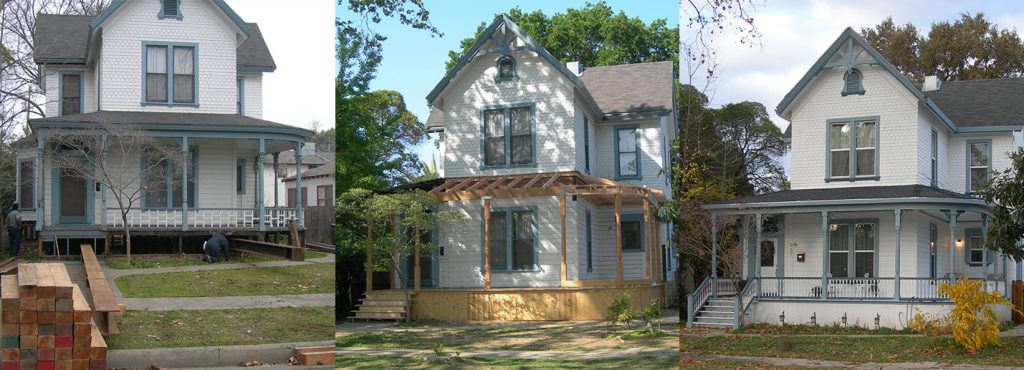
Restoring Victorian homes is vital for maintaining their historical significance and cultural heritage. These homes not only highlight the craftsmanship of their era but also provide a tangible connection to the past, offering educational value to future generations. Additionally, restoration efforts can revitalize neighborhoods, fostering a sense of community pride and attracting tourism. By preserving these architectural masterpieces, homeowners not only protect their property investments but also contribute to the broader historical narrative. In essence, restoring Victorian homes preserves a slice of history while celebrating the artistry of the architects and builders who created them, ensuring their legacies endure for years to come.
Research and Planning
Understanding Nevada’s Victorian Architecture
In order to execute a successful restoration of Victorian homes, thorough research is paramount.Understanding the unique architectural features specific to Nevada’s Victorian style is a crucial first step. This includes identifying common characteristics such as gabled roofs, decorative trim, and vibrant facades that define the local interpretation of Victorian design. Historical research can also provide insights into which materials were originally used and how they can best be replicated. By examining past alterations and the history of the neighborhood, restorers can make informed decisions that honor the home’s heritage while preserving its architectural integrity.
Setting Restoration Goals
Once ample research has been conducted, establishing clear restoration goals becomes essential. These objectives should focus on both aesthetic and structural aspects. For instance, homeowners may desire to restore the original paint colors or repair intricate woodwork. Setting measurable goals aids in prioritizing tasks and allocating resources effectively, ensuring that both the visual and historical authenticity of the home is preserved. Collaboration with professionals, such as architects specializing in historical restorations or local historical societies, can provide valuable guidance throughout the process. Ultimately, these steps not only enhance the beauty of the structure but also ensure that the restoration aligns with best practices and regulations concerning historical preservation. This meticulous approach will indeed contribute to the long-term sustainability of Nevada’s treasured Victorian homes.

Assessing the Property
Structural Evaluation
A comprehensive structural evaluation is essential when restoring Victorian homes.This process involves inspecting the foundation, walls, roof, and other integral components to identify any damages or vulnerabilities. Engaging certified structural engineers with experience in historical buildings is crucial to ensure that any repairs are conducted according to the guidelines suitable for a structure of such historical significance. Special attention should be given to areas that may showcase wear and tear over time, including the framing and load-bearing elements. A thorough assessment will not only help in identifying necessary repairs but also enhance the longevity and safety of the home post-restoration.
Historical Significance Analysis
Alongside structural considerations, conducting a historical significance analysis offers valuable insights into the heritage of the property. This analysis involves researching the home’s history, including original owners, past renovations, and the neighborhood’s architectural evolution. Understanding these factors provides context to the restoration process, enabling homeowners and restorers to make informed choices that honor the property’s narrative. Knowledge of its past forms a foundation for making accurate design decisions and implementing historically accurate materials and techniques. By preserving the unique elements that contribute to the home’s story, property owners not only enhance the aesthetic appeal but also foster a deeper appreciation for the architectural heritage of Nevada’s Victorian neighborhoods. Ultimately, this commitment to historical integrity ensures that these remarkable structures remain cherished for generations to come.
Budgeting for Restoration
Estimating Costs
Accurate estimation of restoration costs is vital to ensure a successful outcome.Homeowners should begin by compiling a detailed list of all necessary repairs, upgrades, and specific restoration projects. Engaging with professionals for quotes and assessments allows one to gain insights into potential expenses. These may include materials, labor, permits, and unexpected contingencies that could arise during the restoration process. Additionally, allocating a percentage of the total budget for unforeseen issues is recommended, as historical properties often present challenges not initially apparent. By talling up these figures carefully, property owners can create a realistic financial framework that will guide the restoration.
Allocating Resources Effectively
Once costs have been estimated, the next step is to allocate resources in a manner that maximizes efficiency and minimizes waste. Prioritization is key; homeowners should identify critical restoration tasks that directly impact the structure’s safety and integrity. Furthermore, it is essential to maintain clear communication with contractors and suppliers to ensure that both time and resources are used effectively. Establishing a timeline for the restoration process can also assist in managing expenditures, providing clarity on when payments will be due and helping to spread costs out over the duration of the project. Overall, meticulous budgeting not only facilitates the restoration of Victorian homes to their former glory but also respects the financial investment made by the homeowners, ensuring a mutually beneficial outcome while preserving the architectural heritage of the property.

Necessary Permits and Regulations
Compliance with Local Codes
In the realm of restoration, adherence to local building codes is crucial.Homeowners must familiarize themselves with the specific regulations governing their area, particularly when working on historical properties. These codes are designed to ensure safety, structural integrity, and preservation of the architectural character. Engaging with local authorities or consulting with a knowledgeable contractor can help clarify any potential issues regarding compliance. It’s imperative to address these regulations early in the planning phase to avoid delays or penalties later on. This proactive approach guarantees that all restoration endeavors not only fulfill aesthetic objectives but also meet legal requirements.
Securing Historic Preservation Permits
For many homeowners, particularly those restoring Victorian homes, acquiring historic preservation permits is a necessary step in the process. These permits are often mandated by local preservation boards or state historical commissions to ensure that renovation efforts honor the original design and materials of the property. Homeowners should prepare an application that highlights their proposed restoration plans, detailing how these comply with the preservation guidelines. Engaging with an architect or preservation consultant familiar with local regulations can streamline this process and enhance the likelihood of permit approval. Obtaining these permits can also open avenues for grants or tax incentives, making the restoration more financially viable. By adhering to the necessary permits and regulations, homeowners not only protect their investment but also contribute to preserving the cultural heritage of their community.


