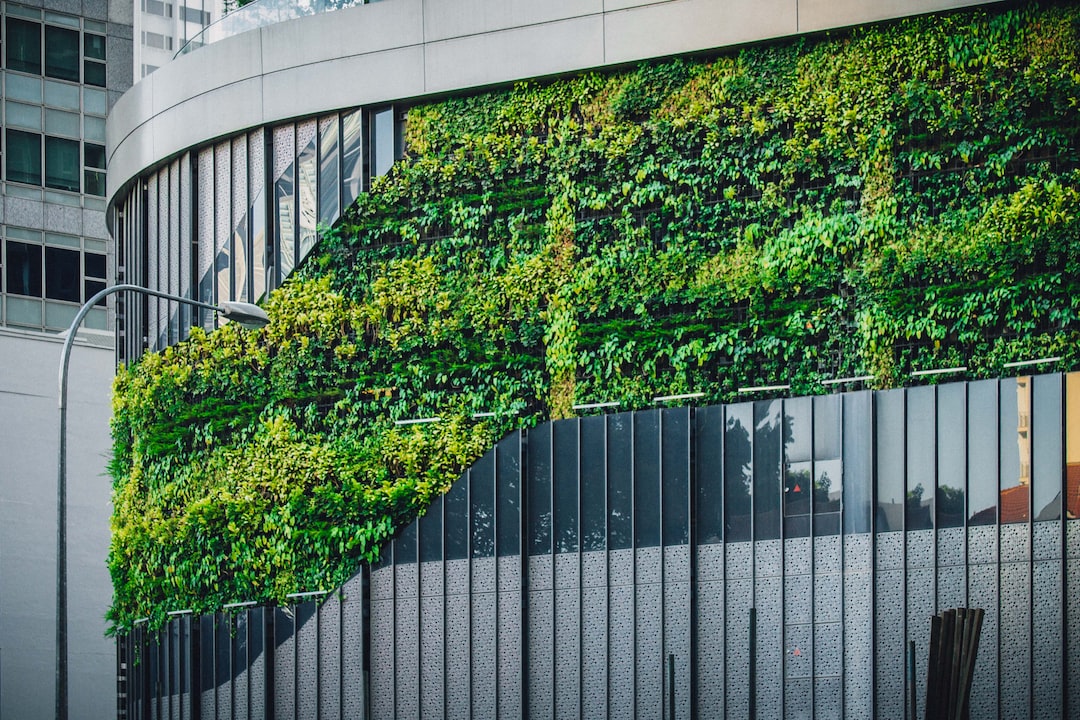
Eco-friendly building materials and practices refer to the use of materials and construction techniques that have a minimal impact on the environment. These materials are sourced sustainably, produced with minimal energy consumption, and are non-toxic. Eco-friendly practices involve designing and constructing buildings in a way that reduces energy consumption, conserves water, and minimizes waste.
Using eco-friendly materials in home construction is important for several reasons. First, it helps to reduce the environmental impact of the construction industry, which is known for its high levels of energy consumption and waste generation. By using sustainable materials, we can reduce the depletion of natural resources and minimize pollution. Second, eco-friendly materials contribute to improved indoor air quality by reducing the release of harmful chemicals into the air. This is particularly important for people with respiratory conditions or allergies. Lastly, using eco-friendly materials can help to lower energy costs in the long run by improving insulation and reducing the need for heating and cooling.
Benefits of Using Eco-Friendly Materials in Home Construction
One of the main benefits of using eco-friendly materials in home construction is the reduced environmental impact. Traditional construction methods often involve the use of materials that are sourced unsustainably, such as timber from deforested areas or concrete made from non-renewable resources. By using eco-friendly materials, we can help to preserve natural resources and reduce carbon emissions.
Another benefit is improved indoor air quality. Many traditional building materials contain volatile organic compounds (VOCs) that can be released into the air over time, leading to poor indoor air quality. Eco-friendly materials are typically low in VOCs and do not release harmful chemicals into the air, creating a healthier living environment for occupants.
Using eco-friendly materials can also lead to lower energy costs. For example, using insulation made from recycled materials can improve thermal efficiency and reduce the need for heating and cooling. Similarly, using energy-efficient windows and doors can help to reduce heat loss and gain, resulting in lower energy bills.
Lastly, using eco-friendly materials can increase the value of a home. With growing awareness and demand for sustainable homes, properties that are built with eco-friendly materials and practices are often seen as more desirable and can command higher prices in the real estate market.
Sustainable Design Principles for Building an Eco-Friendly Home
When designing an eco-friendly home, there are several sustainable design principles that can be incorporated to minimize environmental impact and maximize energy efficiency.
Passive solar design is one such principle. This involves orienting the building to take advantage of natural sunlight and heat. By positioning windows and rooms to capture sunlight during the winter months and shading them during the summer months, passive solar design can help to reduce the need for artificial lighting and heating or cooling.
Natural ventilation is another important principle. By incorporating features such as operable windows, skylights, and vents, natural airflow can be maximized, reducing the need for mechanical ventilation systems. This not only saves energy but also improves indoor air quality by allowing fresh air to circulate throughout the home.
Using recycled materials is another sustainable design principle. By incorporating materials that have been salvaged or repurposed from other buildings or industries, we can reduce waste and minimize the extraction of new resources. Examples of recycled materials include reclaimed wood, recycled glass countertops, and recycled metal roofing.
Water conservation is also a key principle in eco-friendly home design. This can be achieved through the use of low-flow fixtures, rainwater harvesting systems, and graywater recycling systems. By reducing water consumption, we can conserve this precious resource and reduce strain on local water supplies.
Choosing the Right Eco-Friendly Building Materials for Your Home Project
When choosing eco-friendly building materials for your home project, there are several factors to consider. First, consider the environmental impact of the material. Look for materials that are sourced sustainably, such as FSC-certified wood or recycled materials. Avoid materials that are known to be harmful to the environment, such as PVC or formaldehyde-based products.
Next, consider the energy efficiency of the material. Look for materials that have a high thermal resistance, such as insulation made from recycled materials or energy-efficient windows. These materials can help to reduce heat loss or gain, resulting in lower energy consumption for heating and cooling.
Durability is another important factor to consider. Choose materials that are long-lasting and require minimal maintenance. This will help to reduce waste and the need for frequent replacements.
Lastly, consider the cost of the material. While eco-friendly materials may sometimes be more expensive upfront, they can often result in long-term cost savings through reduced energy consumption and maintenance.
Examples of eco-friendly building materials include bamboo flooring, recycled glass countertops, cellulose insulation made from recycled newspaper, and low-VOC paint.
Energy-Efficient HVAC Systems for Eco-Friendly Homes
Heating, ventilation, and air conditioning (HVAC) systems play a crucial role in the energy efficiency of a home. By using energy-efficient HVAC systems, homeowners can reduce their energy consumption and lower their carbon footprint.
One of the most important aspects of an energy-efficient HVAC system is proper sizing and installation. An oversized system will cycle on and off frequently, leading to inefficient operation and increased energy consumption. On the other hand, an undersized system will struggle to maintain a comfortable temperature, leading to increased energy usage as it works harder to compensate.
There are several types of energy-efficient HVAC systems available. One option is a geothermal heat pump, which uses the constant temperature of the earth to heat and cool a home. This system can be highly efficient, as it does not rely on fossil fuels for heating or cooling.
Another option is a ductless mini-split system, which allows for individual temperature control in different zones of the home. This can help to reduce energy consumption by only heating or cooling the areas that are in use.
Heat recovery ventilation (HRV) systems are also important for energy-efficient homes. These systems recover heat from outgoing air and transfer it to incoming fresh air, reducing the need for additional heating or cooling.
Benefits of using energy-efficient HVAC systems include reduced energy consumption, lower utility bills, and improved indoor comfort. These systems can also help to reduce greenhouse gas emissions and contribute to a more sustainable future.
Water Conservation Techniques for Eco-Friendly Homes
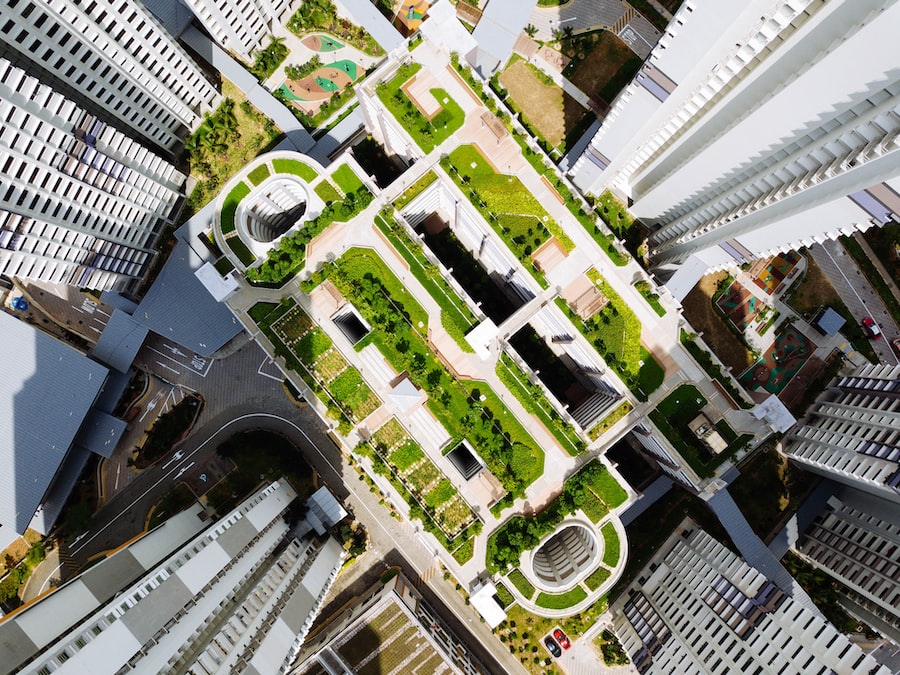
Water conservation is an important aspect of eco-friendly homes. By implementing water-saving techniques, homeowners can reduce their water consumption and contribute to the conservation of this precious resource.
One of the most effective techniques for water conservation is the use of low-flow fixtures. These fixtures, such as low-flow toilets, showerheads, and faucets, are designed to use less water without sacrificing performance. By replacing old, inefficient fixtures with low-flow alternatives, homeowners can significantly reduce their water usage.
Rainwater harvesting is another effective technique for water conservation. By collecting rainwater from rooftops and storing it in tanks or barrels, homeowners can use this water for irrigation or other non-potable purposes. This reduces the demand for municipal water and helps to conserve local water supplies.
Graywater recycling is another technique that can be used to conserve water. Graywater refers to wastewater from sources such as sinks, showers, and washing machines. By treating and reusing this water for irrigation or toilet flushing, homeowners can reduce their reliance on fresh water sources.
Other techniques for water conservation include landscaping with native plants that require less water, fixing leaks promptly, and using efficient irrigation systems such as drip irrigation.
Examples of water-saving fixtures and appliances include low-flow toilets that use less than 1.28 gallons per flush, low-flow showerheads that use less than 2.0 gallons per minute, and front-loading washing machines that use less water than top-loading models.
Eco-Friendly Roofing Options for Your Home Project
The choice of roofing material can have a significant impact on the sustainability of a home. Traditional roofing materials, such as asphalt shingles, are not environmentally friendly as they are made from non-renewable resources and have a short lifespan. However, there are several eco-friendly roofing options available that can help to reduce the environmental impact of a home.
One option is metal roofing, which is highly durable and long-lasting. Metal roofs are typically made from recycled materials and can be recycled at the end of their lifespan. They also reflect sunlight, reducing heat gain and the need for cooling.
Another option is clay or concrete tiles, which are made from natural materials that are abundant and easily recyclable. These tiles have a long lifespan and provide excellent insulation, reducing the need for heating or cooling.
Slate roofing is another eco-friendly option. Slate is a natural stone that is highly durable and can last for over 100 years. It is also recyclable and provides excellent insulation.
Green roofs are another sustainable roofing option. These roofs are covered with vegetation, providing insulation, reducing stormwater runoff, and improving air quality. Green roofs can also provide habitat for wildlife and create a more aesthetically pleasing environment.
Benefits of using eco-friendly roofing materials include reduced energy consumption, improved insulation, increased durability, and reduced waste generation.
Eco-Friendly Flooring Materials for Your Home Project
Choosing eco-friendly flooring materials is important for creating a sustainable home. Traditional flooring materials, such as carpeting or vinyl flooring, often contain harmful chemicals and are not biodegradable. However, there are several eco-friendly flooring options available that are both sustainable and aesthetically pleasing.
One option is bamboo flooring, which is made from a rapidly renewable resource. Bamboo is highly durable and can be harvested without killing the plant, making it a sustainable choice. It is also biodegradable and can be recycled at the end of its lifespan.
Cork flooring is another eco-friendly option. Cork is made from the bark of the cork oak tree, which can be harvested without harming the tree. It is highly durable, provides excellent insulation, and is biodegradable.
Reclaimed wood flooring is another sustainable choice. This involves using wood that has been salvaged from old buildings or other sources. Reclaimed wood has a unique character and can add warmth and charm to a home.
Linoleum flooring is another eco-friendly option. Linoleum is made from natural materials such as linseed oil, cork powder, and wood flour. It is biodegradable, durable, and easy to maintain.
Benefits of using eco-friendly flooring materials include reduced environmental impact, improved indoor air quality, increased durability, and a unique aesthetic appeal.
Green Insulation Options for Your Home Project
Insulation plays a crucial role in the energy efficiency of a home. By using green insulation materials, homeowners can reduce their energy consumption and lower their carbon footprint.
One option for green insulation is cellulose insulation, which is made from recycled newspaper or other paper products. Cellulose insulation has excellent thermal performance and can be blown into walls or attics to improve energy efficiency. It is also treated with non-toxic fire retardants to ensure safety.
Another option is recycled denim insulation, which is made from recycled denim jeans. This insulation material has excellent thermal performance and is free from harmful chemicals. It is also mold-resistant and provides excellent soundproofing.
Wool insulation is another sustainable option. Wool is a natural fiber that has excellent thermal performance and moisture-wicking properties. It is also fire-resistant and biodegradable.
Spray foam insulation made from renewable resources such as soy or castor oil is another green option. This insulation material provides excellent thermal performance and air sealing, reducing energy consumption and improving indoor comfort.
Benefits of using green insulation materials include reduced energy consumption, improved thermal performance, improved indoor air quality, and reduced environmental impact.
Choosing a Contractor for Your Eco-Friendly Home Project
Choosing the right contractor is crucial for the success of an eco-friendly home project. A knowledgeable and experienced contractor can help to ensure that sustainable materials and practices are used throughout the construction process.
When choosing a contractor, it is important to ask about their experience with eco-friendly construction. Look for contractors who have a track record of using sustainable materials and practices in their projects. Ask for references and visit previous projects to see the quality of their work.
It is also important to ask about certifications or credentials that the contractor may have. Look for contractors who are certified by organizations such as the U.S. Green Building Council or the National Association of Home Builders. These certifications indicate that the contractor has undergone training and has demonstrated a commitment to sustainable construction.
Lastly, ask about the contractor’s approach to waste management and recycling. A responsible contractor should have a plan in place for minimizing waste and recycling materials whenever possible.
Examples of eco-friendly contractors include those who specialize in green building or have experience with sustainable construction practices. These contractors may have additional certifications or credentials that demonstrate their expertise in eco-friendly construction.
In conclusion, using eco-friendly building materials and practices in home construction is important for reducing environmental impact, improving indoor air quality, lowering energy costs, and increasing home value. By incorporating sustainable design principles, choosing the right materials, and working with knowledgeable contractors, homeowners can create eco-friendly homes that are both environmentally responsible and aesthetically pleasing.
If you’re planning a home project and want to incorporate eco-friendly building materials and practices, look no further than Wake Construction in Minden, NV. Their team of professionals specializes in remodeling homes and increasing their value while prioritizing sustainability. In fact, they have a related article on their website that discusses the benefits of using eco-friendly materials and practices in your next home project. Check it out here to learn more about how you can create a beautiful and environmentally-friendly space.
FAQs
What are eco-friendly building materials?
Eco-friendly building materials are those that are sustainable, renewable, and have a minimal impact on the environment. Examples include bamboo, recycled steel, reclaimed wood, and natural insulation materials like wool and cork.
What are some benefits of using eco-friendly building materials?
Using eco-friendly building materials can reduce the environmental impact of construction, improve indoor air quality, and save energy and water. They can also increase the value of a property and provide a healthier living environment for occupants.
What are some eco-friendly building practices?
Eco-friendly building practices include using passive solar design, installing energy-efficient appliances and lighting, using low-flow plumbing fixtures, and incorporating green roofs and rainwater harvesting systems. Other practices include using non-toxic paints and finishes, reducing waste during construction, and using locally sourced materials.
How can I find eco-friendly building materials?
Eco-friendly building materials can be found at specialty retailers, online stores, and through local suppliers. It is important to research the materials and their environmental impact before purchasing to ensure they meet your sustainability goals.
Are eco-friendly building materials more expensive?
Eco-friendly building materials can be more expensive than traditional materials, but they often have a longer lifespan and can save money in the long run through energy and water savings. Additionally, some eco-friendly materials like recycled steel and reclaimed wood can be less expensive than their traditional counterparts.