Carson Valley, located in the western United States, is characterized by a diverse range of soil types that can significantly influence construction projects. The valley’s geological history, shaped by glacial activity and sediment deposition, has resulted in a complex tapestry of soil compositions. Among the most common soil types found in this region are sandy, clay, loamy, and silt soils.
Each of these soil types possesses unique properties that affect drainage, stability, and load-bearing capacity, making it essential for builders and homeowners to understand their implications. Sandy soils are typically well-draining and have larger particles, which allows water to flow through them easily. This characteristic can be advantageous for preventing water accumulation around foundations.
In contrast, clay soils are known for their fine particles and high plasticity, which can lead to significant expansion and contraction with moisture changes. Loamy soils, a mixture of sand, silt, and clay, often provide a balanced environment for construction due to their fertility and good drainage properties. Lastly, silt soils, while also fine-grained like clay, tend to retain moisture more effectively but can become unstable when saturated.
Understanding these soil types is crucial for making informed decisions about construction methods and foundation designs.

Key Takeaways
- Carson Valley has various soil types including sandy, clay, loamy, and silt soils
- Building on different soil types presents unique challenges such as erosion, settling, and stability issues
- Foundation solutions for sandy soil may include deep foundations, soil stabilization, and proper drainage systems
- Foundation solutions for clay soil may involve moisture control, deep foundations, and soil compaction techniques
- Foundation solutions for loamy soil may require proper drainage, shallow foundations, and soil stabilization methods
- Foundation solutions for silt soil may include soil compaction, deep foundations, and proper drainage systems
- It is important to choose the right foundation for your specific soil type to ensure stability and longevity of the structure
- Working with professionals for soil analysis and foundation design is crucial to determine the best foundation solutions for your soil type
Challenges of Building on Different Soil Types
Building on varying soil types presents distinct challenges that can impact the integrity and longevity of structures. Sandy soils, while generally stable, can pose issues related to erosion and shifting under heavy loads. The loose nature of sandy soil can lead to settling if not properly compacted or if the foundation is not designed to accommodate potential movement.
Additionally, the rapid drainage properties of sandy soils may lead to challenges in managing water runoff during heavy rains. Clay soils present a different set of challenges due to their expansive nature. When wet, clay can swell significantly, exerting pressure on foundations and potentially leading to cracking or structural damage.
Conversely, when dry, clay can shrink and create voids beneath a foundation, resulting in uneven settling. This cycle of expansion and contraction necessitates careful consideration during the design phase to ensure that foundations are resilient enough to withstand these fluctuations. Loamy soils generally offer a more stable base for construction but can still present challenges related to drainage and compaction.
Silt soils, while fertile and beneficial for agriculture, can become problematic when saturated, as they may lose strength and stability under load.
Foundation Solutions for Sandy Soil

When constructing on sandy soil, it is essential to implement foundation solutions that account for its unique characteristics. One effective approach is the use of deep foundations, such as piles or piers, which extend below the loose surface layer into more stable soil or bedrock. This method helps distribute the weight of the structure more evenly and reduces the risk of settling over time.
Additionally, using a wider footing can help spread the load across a larger area, minimizing the potential for movement. Another solution for sandy soil is the incorporation of proper drainage systems around the foundation. Installing French drains or other drainage solutions can help manage water runoff and prevent erosion around the foundation site.
This proactive approach not only protects the integrity of the foundation but also enhances the overall stability of the structure. Furthermore, utilizing geotextiles or other stabilization materials can improve the load-bearing capacity of sandy soils by reinforcing the ground beneath the foundation.
Foundation Solutions for Clay Soil
Building on clay soil requires specialized foundation solutions to mitigate the risks associated with its expansive nature. One common approach is to use a pier and beam foundation system, which elevates the structure above the ground and allows for ventilation beneath the home. This design helps reduce moisture accumulation around the foundation and minimizes the impact of soil movement on the structure.
Another effective solution is to employ a slab-on-grade foundation with proper moisture control measures. This involves installing a moisture barrier beneath the slab to prevent water from seeping into the foundation from the surrounding clay soil. Additionally, incorporating drainage systems around the perimeter of the foundation can help manage water runoff and reduce the risk of swelling in the clay.
It is also advisable to monitor landscaping and irrigation practices to avoid excessive moisture accumulation near the foundation.
Foundation Solutions for Loamy Soil
Loamy soil is often considered ideal for construction due to its balanced composition and good drainage properties. However, it still requires careful consideration when designing foundations. A common solution for building on loamy soil is a traditional concrete slab foundation, which provides a solid base while allowing for adequate drainage.
The key is to ensure proper compaction of the soil before pouring the slab to prevent settling over time. In addition to slab foundations, using a shallow footing can be effective in loamy soils as long as proper drainage measures are implemented. This includes grading the site to direct water away from the foundation and installing drainage systems as needed.
While loamy soil generally offers good stability, it is still important to monitor moisture levels and make adjustments as necessary to maintain optimal conditions for construction.
Foundation Solutions for Silt Soil
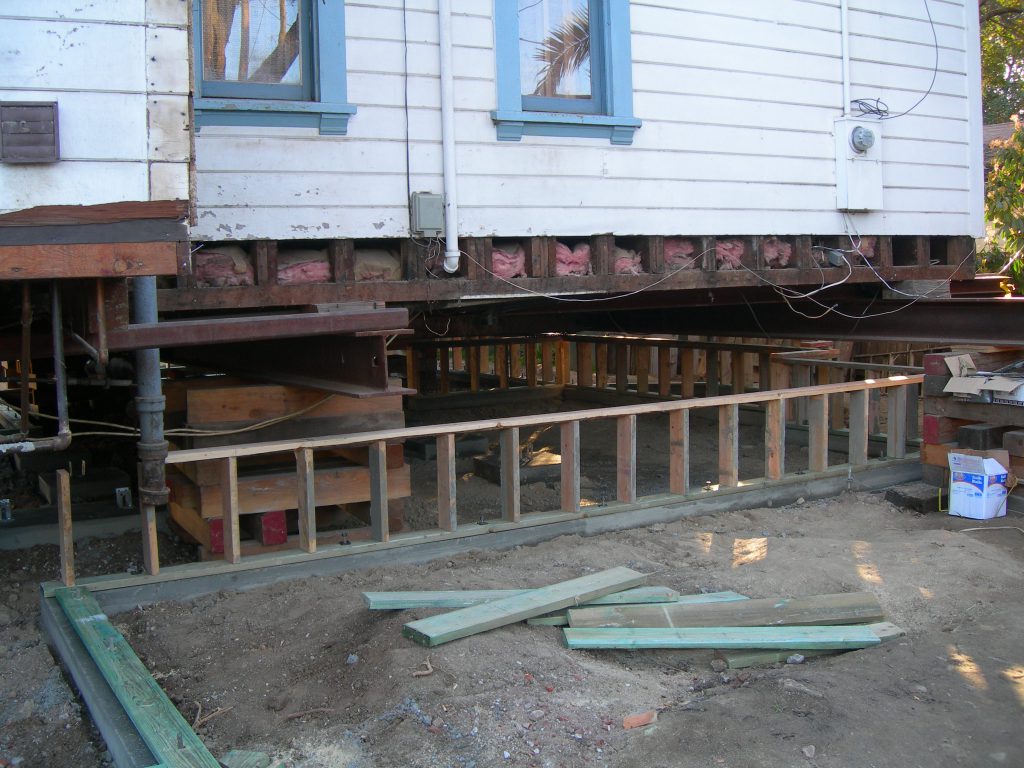
Silt soil presents unique challenges due to its fine particles and tendency to retain moisture. When constructing on silt soil, it is crucial to implement foundation solutions that address its potential instability when saturated. One effective approach is to use deep foundations that reach stable layers below the silt.
Pile foundations or drilled shafts can provide the necessary support while minimizing the risk of settlement. Additionally, proper drainage is vital when building on silt soil. Installing drainage systems around the foundation can help manage water runoff and prevent saturation of the silt layer.
It is also advisable to avoid excessive compaction during site preparation, as this can lead to increased instability in silt soils. By taking these precautions and employing appropriate foundation designs, builders can mitigate the risks associated with constructing on silt soil.
Choosing the Right Foundation for Your Soil Type
Selecting the appropriate foundation type based on soil characteristics is critical for ensuring structural integrity and longevity. Each soil type presents unique challenges that must be addressed through careful planning and design. For sandy soils, deep foundations or wider footings may be necessary to prevent settling and erosion.
In contrast, clay soils often require elevated designs or moisture control measures to mitigate expansion and contraction issues. Loamy soils typically allow for more flexibility in foundation design due to their balanced properties; however, proper drainage remains essential. For silt soils, deep foundations combined with effective drainage solutions are crucial for maintaining stability under load.
Ultimately, understanding the specific characteristics of each soil type will guide builders in making informed decisions about foundation design that align with local conditions.
Working with Professionals for Soil Analysis and Foundation Design
Engaging professionals for soil analysis and foundation design is an essential step in any construction project. Soil engineers or geotechnical specialists possess the expertise needed to conduct thorough assessments of site conditions, including soil composition, moisture levels, and load-bearing capacity. Their insights are invaluable in determining the most suitable foundation type based on specific site characteristics.
In addition to soil analysis, collaborating with experienced architects and structural engineers ensures that foundation designs are tailored to meet both aesthetic and functional requirements. These professionals can provide guidance on best practices for construction methods that align with local building codes and regulations. By working with experts in soil analysis and foundation design, builders can enhance project outcomes while minimizing risks associated with varying soil types in Carson Valley.
FAQs
What are the different soil types found in Carson Valley?
Carson Valley has a variety of soil types including sandy loam, clay loam, and rocky soils. Each soil type has its own unique characteristics and requires specific foundation solutions.
What are the foundation solutions for sandy loam soil in Carson Valley?
Sandy loam soil in Carson Valley requires foundation solutions that provide good drainage and stability. This may include using deep foundations such as piles or piers to reach stable soil layers below the sandy loam.
What are the foundation solutions for clay loam soil in Carson Valley?
Clay loam soil in Carson Valley requires foundation solutions that address potential issues with soil expansion and contraction. This may involve using shallow foundations with proper drainage and moisture control measures.
What are the foundation solutions for rocky soils in Carson Valley?
Rocky soils in Carson Valley may require foundation solutions that involve rock anchoring or drilling techniques to ensure stability and load-bearing capacity. Additionally, proper grading and excavation may be necessary to accommodate the rocky terrain.
How important is it to consider soil type when choosing foundation solutions in Carson Valley?
It is crucial to consider soil type when choosing foundation solutions in Carson Valley as different soil types have varying properties that can impact the stability and performance of a foundation. Tailoring the foundation solutions to the specific soil type is essential for long-term structural integrity.