

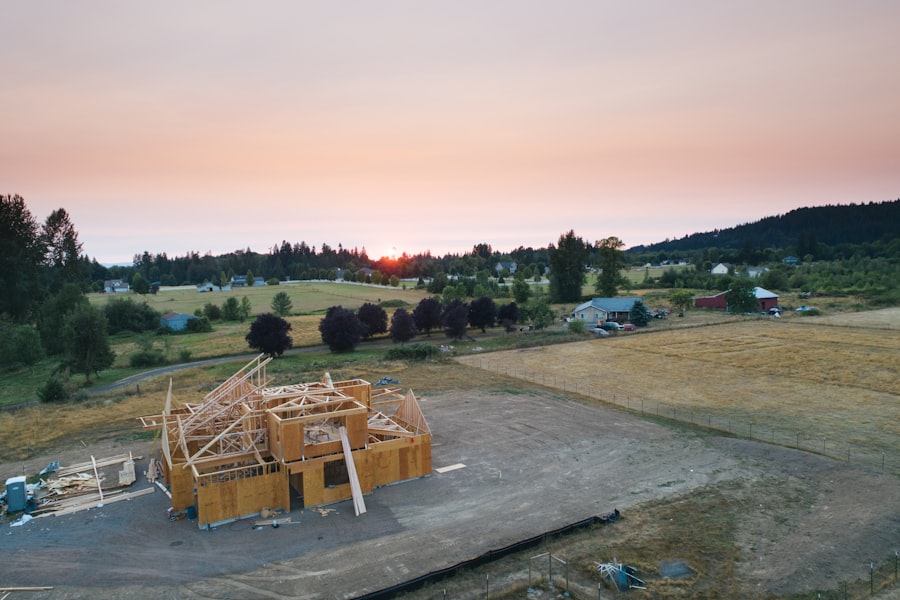
When embarking on the journey of purchasing a lot for construction, the first step is to gain a clear understanding of your needs and preferences. This foundational phase is crucial, as it sets the tone for the entire project. Begin by reflecting on your lifestyle and how it will influence your choice of location.
Consider factors such as proximity to work, schools, and recreational facilities. Are you looking for a quiet suburban environment, or do you prefer the vibrancy of an urban setting? Identifying these preferences will help narrow down your options and ensure that the chosen lot aligns with your vision.
Additionally, think about the specific features you desire in your future home. Do you envision a sprawling estate with ample outdoor space, or are you more inclined towards a compact, modern design? Understanding your architectural preferences can significantly impact the type of lot you choose.
For instance, if you have plans for a large garden or outdoor entertainment area, selecting a lot with sufficient space becomes paramount. By clearly defining your needs and preferences at this stage, you can make informed decisions that will lead to a successful construction project.

Key Takeaways
- Understand your needs and preferences before purchasing a lot for development
- Research the location and community to ensure it aligns with your lifestyle and goals
- Assess the lot’s size and topography to determine its suitability for your project
- Consider the orientation and views of the lot to maximize natural light and scenery
- Evaluate the accessibility and infrastructure of the area for convenience and future development opportunities
- Review zoning and building regulations to ensure compliance and avoid potential obstacles
- Budget for lot purchase and development costs to avoid financial surprises
- Seek professional guidance and advice from experts in real estate, construction, and development to make informed decisions
Researching the Location and Community
Once you have a grasp of your needs and preferences, the next step involves researching potential locations and communities. The significance of this phase cannot be overstated, as the right location can enhance your quality of life and provide long-term value. Start by exploring various neighborhoods that align with your lifestyle choices.
Look into factors such as local amenities, schools, healthcare facilities, and recreational opportunities. A community that offers a rich array of services and activities can greatly enhance your living experience. Moreover, consider the demographic makeup of the community.
Understanding the culture and values of the area can help you determine if it is a good fit for you and your family. Engage with local residents, visit community centers, and attend neighborhood events to get a feel for the environment. This research will not only inform your decision but also help you envision how your future home will integrate into the community.
A well-chosen location can foster connections and create a sense of belonging, making it an essential aspect of your lot selection process.
Assessing the Lot’s Size and Topography

The size and topography of a lot are critical factors that can influence both the design of your future home and the overall functionality of the property. When assessing potential lots, consider how much space you require for your home, outdoor areas, and any additional structures you may want to build in the future. A larger lot may provide more flexibility in design and landscaping options, while a smaller lot may necessitate more efficient use of space.
Topography also plays a significant role in determining how you can utilize the land. A flat lot may be easier to build on and offer straightforward landscaping possibilities, while a sloped or uneven lot may present unique challenges and opportunities. For instance, a sloped lot could allow for creative architectural designs that take advantage of the elevation for stunning views.
However, it may also require additional grading or retaining walls, which can increase construction costs. By carefully assessing both size and topography, you can ensure that the lot you choose meets your practical needs while also allowing for creative expression in your home design.
Considering the Orientation and Views
The orientation of a lot is another vital consideration that can significantly impact your living experience. The direction in which your home faces can affect natural light exposure, energy efficiency, and even your overall mood. For example, a south-facing lot typically receives more sunlight throughout the day, which can be beneficial for passive solar heating and creating bright, inviting spaces indoors.
Conversely, a north-facing lot may offer cooler temperatures but could also result in darker interiors. In addition to orientation, consider the views available from the lot. A property with scenic vistas can enhance your enjoyment of daily life and increase the overall value of your home.
Whether it’s a picturesque landscape, a serene body of water, or vibrant cityscapes, having beautiful views can transform your living space into a personal sanctuary. When evaluating potential lots, take note of any obstructions that might block these views in the future, such as neighboring developments or natural growth. By carefully considering both orientation and views, you can select a lot that not only meets your functional needs but also enriches your living experience.
Evaluating the Accessibility and Infrastructure
Accessibility is an essential factor when selecting a lot for construction. Consider how easily you can reach essential services such as grocery stores, healthcare facilities, schools, and public transportation options. A well-connected location can save time in daily commutes and enhance convenience for you and your family.
Additionally, assess the quality of roads leading to the lot; well-maintained roads are crucial for ensuring safe access year-round. Infrastructure is another critical aspect to evaluate when choosing a lot. Investigate whether essential utilities such as water, electricity, gas, and sewage systems are readily available or if they will need to be installed.
The presence of reliable internet service is also increasingly important in today’s digital age. Understanding these infrastructure elements will help you gauge potential development costs and timelines. By thoroughly evaluating accessibility and infrastructure, you can ensure that your chosen lot supports both your immediate needs and long-term plans.
Reviewing Zoning and Building Regulations

Zoning Regulations: Understanding Land Use
Zoning regulations dictate how land can be used and what types of structures can be built on it. For example, if you plan to build a residential home but the lot is zoned for commercial use only, this could lead to significant complications down the line.
Building Codes: Ensuring Safety and Compliance
In addition to zoning laws, it is essential to investigate any building codes that may apply to your construction project. These codes set standards for safety, design, and environmental impact that must be adhered to during construction.
Avoiding Costly Delays and Modifications
Understanding these regulations early in the process can help prevent costly delays or modifications later on. Engaging with local planning authorities or consulting professionals who specialize in zoning issues can provide valuable insights into what is permissible on your chosen lot. By thoroughly reviewing zoning and building regulations, you can avoid potential pitfalls and ensure a smoother construction process.
Budgeting for Lot Purchase and Development Costs
Budgeting is a critical component of any construction project, particularly when it comes to purchasing a lot and planning for development costs. Begin by determining how much you are willing to spend on acquiring the land itself. This figure should take into account not only the purchase price but also any associated fees such as closing costs, taxes, and potential assessments.
Once you have established a budget for the lot purchase, shift your focus to development costs. These expenses can vary widely based on factors such as site preparation, utility installation, landscaping, and construction materials. It’s essential to create a comprehensive budget that encompasses all aspects of development to avoid financial surprises later on.
Additionally, consider setting aside a contingency fund for unexpected expenses that may arise during construction. By carefully budgeting for both the purchase of the lot and its development costs, you can ensure that your project remains financially viable from start to finish.
Seeking Professional Guidance and Advice
Navigating the complexities of purchasing a lot for construction can be daunting; therefore, seeking professional guidance is highly advisable. Engaging with real estate agents who specialize in land sales can provide valuable insights into market trends and available properties that meet your criteria. Their expertise can help streamline the search process and ensure that you make informed decisions.
In addition to real estate professionals, consider consulting with architects or builders who can offer advice on design possibilities based on the specific characteristics of potential lots. Their experience can help you visualize how different properties might accommodate your vision for your future home. Furthermore, legal professionals specializing in real estate can assist in reviewing contracts and ensuring compliance with local regulations throughout the purchasing process.
By seeking professional guidance at various stages of your journey, you can navigate challenges more effectively and ultimately achieve a successful outcome in selecting the perfect lot for construction.

FAQs
What factors should I consider when selecting a lot for a custom home in Carson Valley?
When selecting a lot for a custom home in Carson Valley, it is important to consider factors such as location, size, topography, views, access to utilities, zoning regulations, and potential for future development.
What are some important considerations for the location of the lot?
The location of the lot is an important consideration when selecting a lot for a custom home in Carson Valley. Factors to consider include proximity to amenities, schools, work, and recreational activities, as well as the overall neighborhood and community.
How important is the size of the lot when selecting a lot for a custom home?
The size of the lot is an important consideration when selecting a lot for a custom home in Carson Valley. The size of the lot will impact the size and layout of the home, as well as the potential for outdoor living spaces and landscaping.
What role does topography play in selecting a lot for a custom home?
Topography plays a significant role in selecting a lot for a custom home in Carson Valley. The slope and elevation of the lot can impact the cost of construction, the design of the home, and the potential for views and outdoor living spaces.
How important are views when selecting a lot for a custom home?
Views are often an important consideration when selecting a lot for a custom home in Carson Valley. Whether it’s mountain views, valley views, or views of the surrounding landscape, the potential for scenic vistas can greatly enhance the desirability and value of a lot.
What should I consider in terms of access to utilities when selecting a lot for a custom home?
Access to utilities, such as water, sewer, electricity, and natural gas, is an important consideration when selecting a lot for a custom home in Carson Valley. The availability and cost of connecting to these utilities can impact the overall feasibility and cost of building on a particular lot.
How do zoning regulations impact the selection of a lot for a custom home?
Zoning regulations can impact the selection of a lot for a custom home in Carson Valley by dictating what type of home can be built, as well as any restrictions on size, height, setbacks, and land use. It’s important to understand the zoning regulations for a lot before making a purchase.
What should I consider in terms of potential for future development when selecting a lot for a custom home?
When selecting a lot for a custom home in Carson Valley, it’s important to consider the potential for future development in the surrounding area. This includes considering any planned or potential developments that could impact the value and desirability of the lot.


