Construction projects are complex endeavors that require careful planning, coordination, and execution. Without effective project management, these projects can easily become chaotic and prone to delays, cost overruns, and quality issues. Streamlining your construction project is essential to improving efficiency and ensuring its success. By implementing streamlined project management practices, you can optimize processes, enhance communication and collaboration, and ultimately deliver projects on time and within budget.
The Importance of Project Management in Construction
Construction projects are unique in nature, as they involve multiple stakeholders, complex supply chains, and a wide range of activities that need to be coordinated. Without proper project management, these projects can quickly spiral out of control. Project management in construction involves planning, organizing, and controlling resources to achieve specific goals and objectives within a given timeframe and budget.
One of the main challenges in construction projects is the high level of uncertainty and risk involved. There are numerous variables that can impact the project, such as weather conditions, material availability, and unforeseen site conditions. Effective project management helps mitigate these challenges by identifying potential risks, developing contingency plans, and ensuring that resources are allocated efficiently.
Advantages of Strong Project Management in Construction
Implementing strong project management practices in construction offers several advantages that can significantly improve project outcomes.
Improved communication and collaboration: Construction projects involve multiple stakeholders, including architects, engineers, contractors, subcontractors, suppliers, and clients. Effective project management facilitates clear communication and collaboration among all parties involved. This ensures that everyone is on the same page regarding project goals, timelines, and expectations.
Better cost and schedule management: Construction projects are notorious for cost overruns and schedule delays. Strong project management helps mitigate these issues by closely monitoring costs and schedules throughout the project lifecycle. By implementing effective cost control measures and closely tracking progress against the project plan, project managers can identify potential issues early on and take corrective actions to keep the project on track.
Increased safety and quality control: Safety is a top priority in construction projects, and effective project management plays a crucial role in ensuring a safe working environment. Project managers are responsible for implementing safety protocols, conducting regular inspections, and addressing any safety concerns promptly. Additionally, strong project management practices also help maintain high-quality standards by implementing quality control measures and conducting regular inspections and tests.
Key Elements of Effective Project Management in Construction
To achieve successful project outcomes, it is essential to incorporate key elements of effective project management in construction.
Clear project goals and objectives: Clearly defining project goals and objectives is the first step in effective project management. This involves understanding the client’s requirements, establishing measurable objectives, and aligning them with the overall project vision. Clear goals and objectives provide a roadmap for the project team and help guide decision-making throughout the project lifecycle.
Comprehensive project planning: Thorough project planning is crucial for successful project execution. This involves developing a detailed project plan that outlines all the tasks, resources, timelines, and dependencies required to complete the project. A comprehensive project plan helps identify potential risks and challenges early on, allowing for proactive mitigation strategies.
Effective risk management: Construction projects are inherently risky, and effective risk management is essential to minimize potential negative impacts. This involves identifying potential risks, assessing their likelihood and impact, developing contingency plans, and continuously monitoring and evaluating risks throughout the project lifecycle.
Strong leadership and team management: Effective project management requires strong leadership skills to guide the project team towards success. Project managers must possess excellent communication, problem-solving, and decision-making skills. They must also be able to motivate and inspire team members, foster collaboration, and resolve conflicts effectively.
How to Develop a Successful Project Management Plan for Construction
Developing a successful project management plan is crucial for streamlining construction projects. Here are some steps to follow:
1. Define project goals and objectives: Clearly define the project goals and objectives, taking into account the client’s requirements and expectations.
2. Identify project stakeholders: Identify all the stakeholders involved in the project, including the client, architects, engineers, contractors, subcontractors, suppliers, and regulatory authorities.
3. Establish project scope: Define the scope of work for the project, including all the deliverables and milestones.
4. Develop a work breakdown structure (WBS): Break down the project into smaller, manageable tasks and create a hierarchical structure that outlines the relationship between these tasks.
5. Allocate resources: Determine the resources required for each task, including labor, equipment, materials, and subcontractors.
6. Develop a project schedule: Create a detailed project schedule that outlines the start and end dates for each task and identifies any dependencies or constraints.
7. Identify potential risks: Conduct a thorough risk assessment to identify potential risks and develop contingency plans to mitigate them.
8. Establish communication protocols: Define how communication will be managed throughout the project, including regular progress updates, meetings, and reporting requirements.
9. Monitor and evaluate progress: Continuously monitor and evaluate progress against the project plan to identify any deviations or issues that need to be addressed.
10. Adjust and adapt as necessary: Be prepared to make adjustments to the project plan as needed to accommodate changes or unforeseen circumstances.
It is important to involve all stakeholders in the planning process to ensure that their input is considered and that everyone is aligned with the project goals and objectives. This helps foster collaboration and ensures that all parties are committed to the success of the project.
Best Practices for Managing Construction Projects
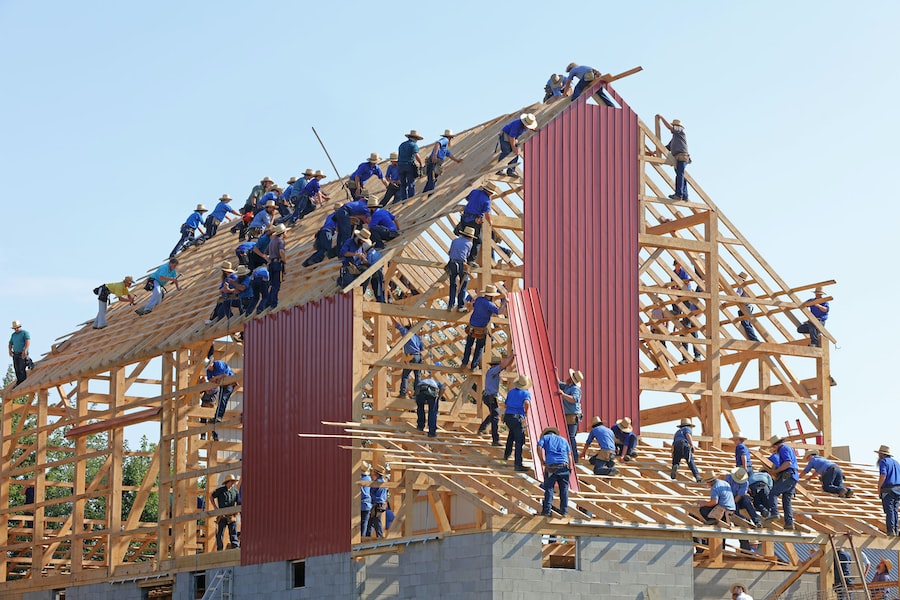
Implementing best practices for managing construction projects can significantly improve efficiency and success. Here are some key practices to consider:
Regular communication and collaboration: Establish clear communication channels and encourage regular collaboration among all stakeholders. This helps ensure that everyone is informed about project progress, issues, and decisions.
Effective change management: Construction projects often experience changes in scope, design, or requirements. Implementing effective change management processes helps minimize the impact of these changes on the project schedule and budget.
Continuous monitoring and evaluation: Regularly monitor and evaluate project progress against the project plan to identify any deviations or issues that need to be addressed. This allows for timely corrective actions and helps keep the project on track.
Common Challenges in Construction Project Management and How to Overcome Them
Construction projects are not without their challenges. Here are some common challenges in construction project management and strategies for overcoming them:
Delays and schedule overruns: Delays can occur due to various reasons, such as weather conditions, material shortages, or unforeseen site conditions. To mitigate delays, it is important to conduct thorough planning, identify potential risks, and develop contingency plans. Regular monitoring and evaluation of progress against the project schedule also help identify any deviations early on.
Budget constraints: Construction projects often face budget constraints due to unexpected costs or changes in scope. Effective cost control measures, such as regular monitoring of expenses and implementing change management processes, can help mitigate budget constraints.
Safety and quality control issues: Safety is a top priority in construction projects, and it is important to implement strict safety protocols and conduct regular inspections to ensure a safe working environment. Quality control measures, such as regular inspections and tests, help maintain high-quality standards.
Tools and Technologies for Streamlining Construction Project Management
There are several tools and technologies available that can help streamline construction project management:
Project management software: Project management software provides a centralized platform for managing all aspects of a construction project, including scheduling, resource allocation, budgeting, and communication. These tools help improve collaboration, enhance communication, and streamline project workflows.
Building Information Modeling (BIM): BIM is a digital representation of the physical and functional characteristics of a construction project. It allows for better visualization, coordination, and collaboration among all stakeholders, resulting in improved project outcomes.
Mobile applications: Mobile applications allow project managers and team members to access project information and collaborate on the go. These apps enable real-time communication, document sharing, and progress tracking, improving efficiency and productivity.
Benefits of Collaborative Project Management in Construction
Collaborative project management in construction offers several benefits that can significantly improve project outcomes:
Improved communication and collaboration: Collaborative project management fosters clear communication and collaboration among all stakeholders. This helps ensure that everyone is on the same page regarding project goals, timelines, and expectations.
Increased transparency and accountability: Collaborative project management promotes transparency by providing all stakeholders with access to project information and progress updates. This helps foster accountability and ensures that everyone is aware of their roles and responsibilities.
Better risk management and decision-making: Collaboration allows for a wider range of perspectives and expertise to be considered when making decisions or managing risks. This helps identify potential issues or opportunities that may have been overlooked otherwise.
The Future of Construction Project Management
The construction industry is constantly evolving, and project management practices must continue to innovate and improve to keep up with these changes. Emerging trends and technologies, such as artificial intelligence, virtual reality, and robotics, are already making an impact on construction project management.
Artificial intelligence can help automate repetitive tasks, analyze data to identify patterns or trends, and provide insights for better decision-making. Virtual reality can be used for immersive visualization and simulation of construction projects, allowing for better planning and coordination. Robotics can automate certain construction tasks, improving efficiency and safety.
Continued innovation and improvement in construction project management are essential to meet the growing demands of the industry. By embracing new technologies, implementing best practices, and fostering collaboration among all stakeholders, construction projects can be streamlined for improved efficiency, cost-effectiveness, and success.
If you’re considering remodeling your kitchen in Minden, Nevada, you’ll want to make sure you have a strong project management team in place. In an article by Wake Construction, they discuss the advantages of strong project management in construction projects. From coordinating subcontractors to managing timelines and budgets, having a skilled project manager can streamline the entire process and ensure your kitchen remodel is completed efficiently and to your satisfaction. To learn more about the benefits of project management in construction, check out the article here.
FAQs
What is project management in construction?
Project management in construction refers to the process of planning, organizing, and overseeing a construction project from start to finish. It involves coordinating various tasks, resources, and stakeholders to ensure that the project is completed on time, within budget, and to the required quality standards.
What are the advantages of strong project management in construction?
Strong project management in construction offers several advantages, including improved project efficiency, better communication and collaboration among stakeholders, reduced project risks, increased project transparency, and better control over project costs and timelines.
What are the key elements of effective project management in construction?
Effective project management in construction requires a combination of technical, managerial, and interpersonal skills. Key elements include project planning, scheduling, budgeting, risk management, quality control, communication, and stakeholder management.
What are some common challenges in construction project management?
Common challenges in construction project management include delays, cost overruns, scope creep, poor communication, inadequate risk management, and conflicts among stakeholders. These challenges can be mitigated through effective project planning, risk management, and stakeholder engagement.
What are some tools and techniques used in construction project management?
Tools and techniques used in construction project management include project management software, scheduling tools, cost estimation tools, risk management frameworks, quality control processes, and communication and collaboration platforms. These tools and techniques help project managers to plan, monitor, and control construction projects effectively.