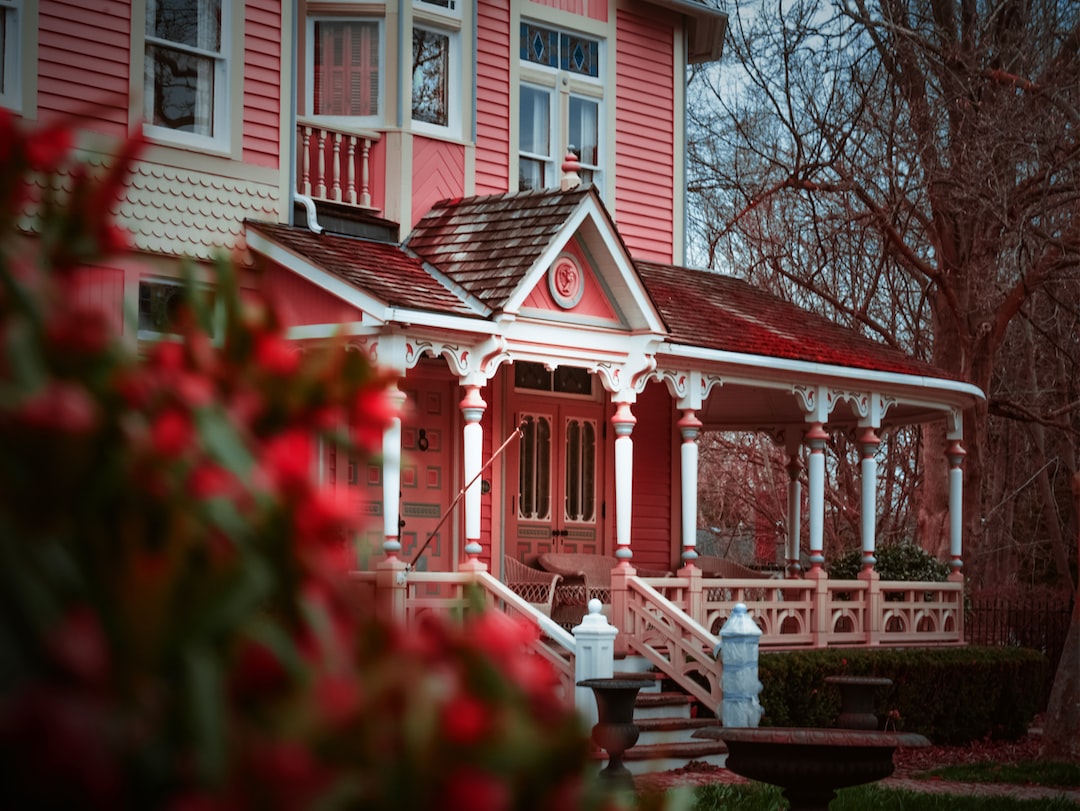
Victorian properties are known for their charm and historical significance, but they also present unique challenges when it comes to improving energy efficiency. These properties were built during the Victorian era, which spanned from the mid-19th century to the early 20th century, and they often have features that make it difficult to implement modern energy-saving measures. However, it is crucial to find a balance between preserving the historical features of these properties and upgrading their energy efficiency. This article will explore the challenges of improving energy efficiency in Victorian properties and discuss strategies for preserving original features while making them more energy-efficient.
Understanding the unique energy challenges of Victorian properties
Victorian properties have certain characteristics that make them challenging to improve energy efficiency. One of the main challenges is their construction materials and methods. Many Victorian properties were built with solid walls, which lack the insulation found in modern buildings. This means that heat can easily escape through the walls, leading to higher energy consumption and increased heating costs.
Another challenge is the presence of single-glazed windows, which are not as effective at retaining heat as double-glazed windows. Single-glazed windows allow heat to escape and cold air to enter, resulting in drafts and higher energy usage. Additionally, Victorian properties often have high ceilings and large rooms, which can be difficult to heat efficiently.
The importance of preserving original features while improving energy efficiency
Preserving the original features of Victorian properties is important for maintaining their historical value and character. However, it can be challenging to balance energy efficiency with historical preservation regulations. It is crucial to find strategies that allow for both goals to be achieved.
One strategy is to focus on improving energy efficiency in areas that are less visible or have less impact on the overall aesthetics of the property. For example, insulation can be added to the loft or underfloor without affecting the appearance of the property. This allows for improved energy efficiency without compromising the historical features.
Another strategy is to use materials and techniques that mimic the original features of the property. For example, if original windows need to be replaced, opting for double-glazed windows that match the style and design of the original windows can help maintain the historical integrity of the property while improving energy efficiency.
Choosing the right insulation materials for Victorian properties
Insulation is a key component of improving energy efficiency in Victorian properties. There are several types of insulation materials that are suitable for these properties. One option is to use cavity wall insulation, which involves injecting insulation material into the gap between the inner and outer walls. This can help reduce heat loss through the walls and improve energy efficiency.
Another option is to use solid wall insulation, which involves adding insulation material to the interior or exterior walls of the property. This can be more expensive and may require planning permission, but it can significantly improve energy efficiency in Victorian properties with solid walls.
When choosing insulation materials for Victorian properties, it is important to consider factors such as thermal performance, durability, and compatibility with the existing structure. It is also important to consult with a professional to ensure that the chosen insulation materials are suitable for the specific needs of the property.
Maximizing natural light and ventilation in Victorian homes
Natural light and ventilation play a crucial role in improving energy efficiency in Victorian properties. Maximizing natural light can help reduce the need for artificial lighting during the day, while maximizing ventilation can help regulate indoor temperature and reduce the need for mechanical cooling.
One strategy for maximizing natural light is to install skylights or roof windows. These can bring in additional natural light without compromising the historical features of the property. Another strategy is to use light-colored paint or wallpaper on walls and ceilings to reflect more natural light into the space.
To maximize ventilation, it is important to ensure that windows are in good condition and can be opened easily. Adding window vents or trickle vents can also help improve airflow without compromising security. Additionally, installing ceiling fans can help circulate air and provide a cooling effect during warmer months.
Upgrading heating and cooling systems for energy efficiency

Heating and cooling systems are another important aspect of improving energy efficiency in Victorian properties. Many Victorian properties still rely on outdated heating systems, such as open fireplaces or inefficient gas boilers. Upgrading these systems can significantly improve energy efficiency.
One option is to replace open fireplaces with more efficient wood-burning stoves or gas fires. These can provide a more controlled and efficient source of heat while maintaining the aesthetic appeal of the property. Another option is to install a modern, condensing gas boiler, which is more efficient than older models and can help reduce heating costs.
For cooling, it is important to consider options that are energy-efficient and do not compromise the historical features of the property. This could include installing ceiling fans or using portable air conditioning units that can be easily removed when not in use.
Addressing air leaks and drafts in Victorian properties
Air leaks and drafts are common issues in Victorian properties, which can lead to heat loss and increased energy consumption. It is important to identify and address these issues to improve energy efficiency.
Common areas of air leaks and drafts in Victorian properties include windows, doors, and gaps around pipes and cables. One strategy for addressing these issues is to use draft excluders or weatherstripping to seal gaps around windows and doors. This can help prevent cold air from entering and warm air from escaping.
Another strategy is to use secondary glazing on windows, which involves adding an additional layer of glazing to existing windows. This can help reduce drafts and improve insulation without compromising the original features of the property.
Balancing energy efficiency with historical preservation regulations
When renovating Victorian properties for energy efficiency, it is important to consider historical preservation regulations and guidelines. These regulations are in place to protect the historical integrity of the property and ensure that any renovations are in line with its original design and character.
One strategy for balancing energy efficiency with historical preservation regulations is to consult with a professional who has experience working with historic properties. They can provide guidance on the best ways to improve energy efficiency while complying with regulations.
It is also important to research and understand the specific regulations and guidelines that apply to the property. This can help ensure that any renovations or upgrades are carried out in a way that is respectful of its historical significance.
Incorporating renewable energy sources in Victorian property renovations
Incorporating renewable energy sources in Victorian property renovations can further improve energy efficiency and reduce reliance on fossil fuels. There are several types of renewable energy sources that are suitable for these properties.
One option is to install solar panels on the roof of the property. Solar panels can generate electricity from sunlight, which can be used to power appliances and lighting. This can help reduce energy consumption from the grid and lower electricity bills.
Another option is to install a ground source heat pump or an air source heat pump. These systems use renewable energy from the ground or air to provide heating and hot water. They can be more efficient than traditional heating systems and can help reduce carbon emissions.
Avoiding common mistakes in Victorian property energy efficiency renovations
When renovating Victorian properties for energy efficiency, it is important to avoid common mistakes that can compromise the effectiveness of the upgrades. One common mistake is using inappropriate insulation materials or techniques that do not suit the specific needs of the property. It is important to consult with a professional and choose insulation materials that are suitable for the construction type and condition of the property.
Another common mistake is overlooking air leaks and drafts. It is important to thoroughly inspect the property for any gaps or cracks where air may be escaping or entering. Addressing these issues can significantly improve energy efficiency.
Additionally, it is important to consider the long-term maintenance and durability of any upgrades or renovations. Choosing high-quality materials and working with experienced professionals can help ensure that the improvements will last and continue to provide energy efficiency benefits for years to come.
The long-term benefits of energy-efficient renovations for Victorian properties
There are several long-term benefits of energy-efficient renovations for Victorian properties. One of the main benefits is financial savings. By improving energy efficiency, property owners can reduce their energy consumption and lower their utility bills. This can result in significant cost savings over time.
Another benefit is the positive impact on the environment. Energy-efficient renovations can help reduce carbon emissions and contribute to a more sustainable future. By reducing energy consumption, Victorian properties can play a part in mitigating climate change and preserving natural resources.
Lastly, energy-efficient renovations can help preserve the historical value and character of Victorian properties. By finding a balance between energy efficiency and historical preservation, these properties can continue to be enjoyed for generations to come.
Improving energy efficiency in Victorian properties presents unique challenges, but it is crucial to find a balance between preserving historical features and upgrading energy efficiency. By understanding the unique energy challenges of these properties, choosing the right insulation materials, maximizing natural light and ventilation, upgrading heating and cooling systems, addressing air leaks and drafts, and incorporating renewable energy sources, property owners can significantly improve energy efficiency while maintaining the historical integrity of their properties. The long-term benefits of these renovations include financial savings, environmental impact reduction, and preservation of historical value. It is important for property owners to take action towards energy-efficient renovations to ensure a sustainable future for Victorian properties.
If you’re interested in renovating Victorian properties for energy efficiency, you may also want to check out this related article on remodeling your home and increasing its value with Wake Construction in Minden, NV. They offer professional general contracting services and can help you transform your home into an energy-efficient space while adding value to your property. Read more
FAQs
What are Victorian properties?
Victorian properties are buildings constructed during the reign of Queen Victoria in the United Kingdom, from 1837 to 1901. These properties are known for their distinctive architectural features, such as high ceilings, ornate moldings, and large windows.
Why is renovating Victorian properties for energy efficiency important?
Renovating Victorian properties for energy efficiency is important because these buildings were constructed before modern energy-saving technologies were available. As a result, they tend to be less energy-efficient than newer buildings, which can lead to higher energy bills and increased carbon emissions.
What are some common energy efficiency issues in Victorian properties?
Common energy efficiency issues in Victorian properties include poor insulation, draughty windows and doors, inefficient heating systems, and outdated lighting.
What are some do’s of renovating Victorian properties for energy efficiency?
Some do’s of renovating Victorian properties for energy efficiency include adding insulation to walls, floors, and roofs; upgrading windows and doors to double or triple glazing; installing a modern, efficient heating system; and using energy-efficient lighting.
What are some don’ts of renovating Victorian properties for energy efficiency?
Some don’ts of renovating Victorian properties for energy efficiency include removing or altering original features, such as ornate moldings or fireplaces; using materials that are not in keeping with the building’s historic character; and neglecting to obtain the necessary planning and building regulations approvals.
What are some benefits of renovating Victorian properties for energy efficiency?
Some benefits of renovating Victorian properties for energy efficiency include lower energy bills, reduced carbon emissions, improved comfort and indoor air quality, and increased property value.