Nevada is characterized by its diverse climate, which varies significantly across the state. The northern region experiences a high desert climate, with cold winters and warm summers, while the southern part, particularly around Las Vegas, is known for its arid desert conditions. This stark contrast in weather patterns presents unique challenges for construction, especially when it comes to masonry.
The state’s climate is marked by low humidity, intense sunlight, and significant temperature fluctuations between day and night. These factors can have profound implications on the durability and performance of masonry structures. The high levels of UV radiation in Nevada can lead to accelerated wear and tear on building materials.
Additionally, the state experiences occasional heavy rainfall and snow, particularly in the mountainous areas. These weather conditions necessitate a thorough understanding of how masonry interacts with the environment. Builders and architects must consider these climatic factors when designing structures to ensure longevity and resilience against the elements.
Understanding Nevada’s climate is crucial for making informed decisions about materials and construction techniques that will withstand the test of time.

Key Takeaways
- Nevada’s climate is characterized by hot, dry summers and cold winters, with low precipitation and high winds.
- Weather challenges on masonry in Nevada include extreme temperature fluctuations, UV radiation, and wind-driven rain.
- Choosing the right materials for weather-resistant masonry in Nevada involves selecting durable, low-absorption materials such as natural stone, brick, and concrete.
- Proper installation techniques for weather-resistant masonry in Nevada include adequate waterproofing, proper drainage, and careful attention to joint design.
- Maintenance and care for weather-resistant masonry in Nevada involves regular inspections, cleaning, and resealing to ensure long-term durability and performance.
Challenges of Weather on Masonry
Masonry is often lauded for its strength and durability; however, it is not impervious to the challenges posed by Nevada’s climate. One of the primary concerns is moisture infiltration, which can lead to efflorescence, spalling, and other forms of deterioration. When water seeps into masonry units, it can freeze during colder months, causing expansion that ultimately leads to cracking and structural damage.
This cycle of freeze-thaw can be particularly damaging in areas that experience significant temperature drops at night. Moreover, the intense heat and UV exposure can degrade mortar joints and other components of masonry over time. The high temperatures can cause thermal expansion, which may result in cracking if the materials are not properly selected or installed.
Additionally, dust storms and high winds can erode surfaces and contribute to wear. These challenges highlight the importance of selecting appropriate materials and employing effective construction techniques to mitigate the adverse effects of Nevada’s weather on masonry structures.
Choosing the Right Materials for Weather-Resistant Masonry
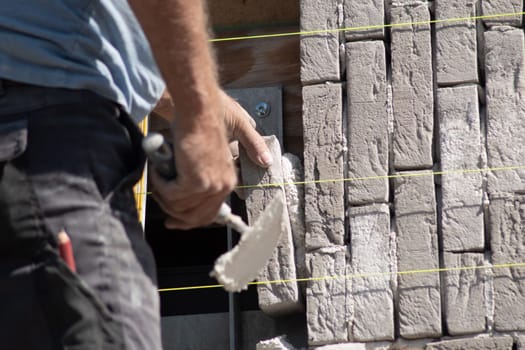
Selecting the right materials is paramount for ensuring that masonry structures can withstand Nevada’s challenging climate. One effective approach is to use high-performance concrete blocks that are designed to resist moisture penetration and thermal fluctuations. These blocks often incorporate additives that enhance their durability and reduce porosity, making them less susceptible to water damage.
Additionally, using water-repellent sealants can further protect masonry from moisture infiltration. Another consideration is the choice of mortar. A high-quality, flexible mortar can accommodate movement caused by temperature changes without cracking.
Furthermore, incorporating insulation materials within masonry walls can help regulate temperature fluctuations, reducing stress on the structure. By carefully selecting materials that are specifically engineered for weather resistance, builders can significantly enhance the longevity and performance of masonry in Nevada’s unique climate.
Proper Installation Techniques for Weather-Resistant Masonry
Proper installation techniques are critical for maximizing the performance of weather-resistant masonry. One essential practice is ensuring that all masonry units are laid with appropriate drainage in mind. This involves creating weep holes or using drainage mats to allow moisture to escape rather than accumulate within the wall structure.
Properly designed flashing systems are also vital for directing water away from vulnerable areas. Additionally, attention must be paid to joint design and spacing. Adequate joint spacing allows for thermal expansion and contraction without compromising structural integrity.
It is also important to ensure that mortar joints are fully filled to prevent water ingress. Training masons in these best practices can make a significant difference in the overall durability of masonry structures in Nevada. By adhering to these installation techniques, builders can create resilient walls that stand up to the state’s diverse weather conditions.
Maintenance and Care for Weather-Resistant Masonry
Even with the best materials and installation techniques, ongoing maintenance is essential for preserving the integrity of weather-resistant masonry. Regular inspections should be conducted to identify any signs of damage or wear, such as cracks or efflorescence. Prompt repairs can prevent minor issues from escalating into major problems that compromise structural integrity.
Cleaning masonry surfaces is also an important aspect of maintenance. Accumulated dirt, grime, and organic growth can trap moisture against the surface, leading to deterioration over time. Using appropriate cleaning methods that do not damage the masonry is crucial; pressure washing should be approached with caution to avoid dislodging mortar or damaging the surface.
By implementing a proactive maintenance plan, property owners can extend the lifespan of their masonry structures and ensure they remain resilient against Nevada’s challenging climate.
Case Studies of Successful Weather-Resistant Masonry Projects in Nevada

Examining successful weather-resistant masonry projects in Nevada provides valuable insights into effective strategies and techniques. One notable project involved a commercial building in Reno that utilized insulated concrete forms (ICFs) for its exterior walls. This approach not only provided excellent thermal insulation but also enhanced resistance to moisture infiltration.
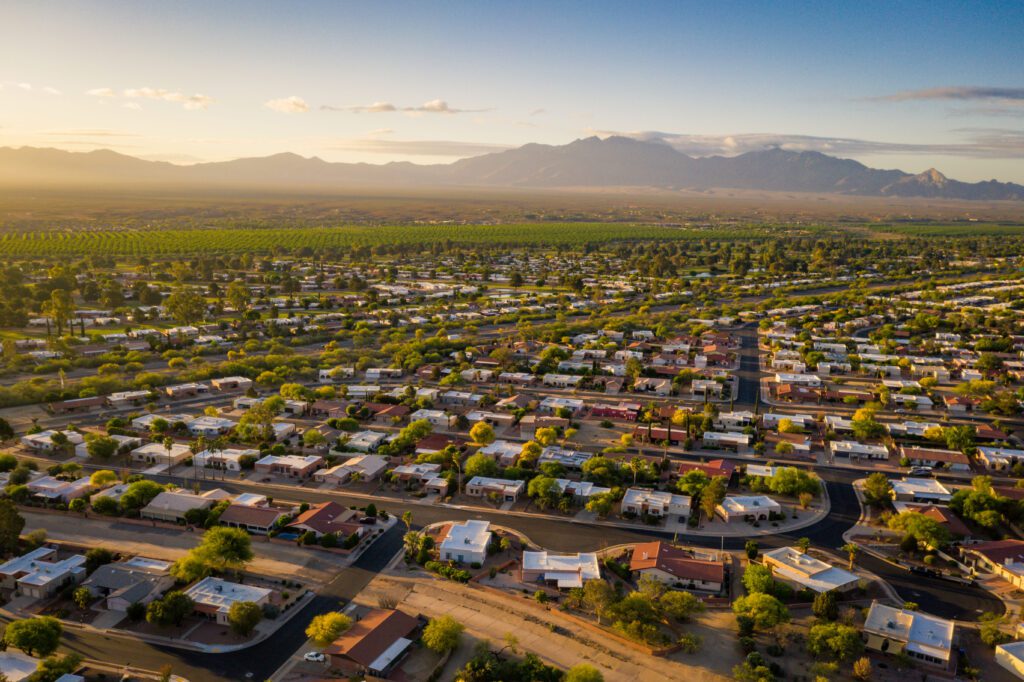
The building has demonstrated remarkable energy efficiency while maintaining structural integrity despite the region’s temperature fluctuations. Another example can be found in Las Vegas, where a residential development employed advanced masonry techniques to combat the harsh desert climate. The use of high-performance concrete blocks combined with reflective coatings minimized heat absorption while maximizing durability against UV exposure.
This project has become a benchmark for future developments in the area, showcasing how thoughtful design and material selection can lead to successful outcomes in challenging environments.
Benefits of Weather-Resistant Masonry in Nevada
Investing in weather-resistant masonry offers numerous benefits for property owners in Nevada. One of the most significant advantages is enhanced durability; structures built with weather-resistant materials are less likely to suffer from moisture-related issues or thermal damage over time. This resilience translates into lower maintenance costs and extended lifespans for buildings.
Additionally, weather-resistant masonry contributes to energy efficiency by providing better insulation against temperature fluctuations. This can lead to reduced heating and cooling costs, making properties more economical to operate. Furthermore, these structures often have improved aesthetic appeal due to their ability to maintain their appearance over time without significant wear or discoloration.
Overall, the benefits of weather-resistant masonry make it a wise investment for anyone looking to build or renovate in Nevada.
Future Trends in Weather-Resistant Masonry Solutions for Nevada’s Climate
As technology continues to advance, new trends are emerging in weather-resistant masonry solutions tailored specifically for Nevada’s climate. One promising development is the integration of smart materials that respond dynamically to environmental changes. These materials can adapt their properties based on temperature or humidity levels, providing enhanced protection against moisture infiltration and thermal stress.
Additionally, there is a growing emphasis on sustainable building practices within the masonry industry. Eco-friendly materials that reduce environmental impact while maintaining performance are becoming increasingly popular among builders and architects alike. Innovations such as recycled aggregates and low-carbon cements are paving the way for more sustainable masonry solutions that align with modern environmental standards.
In conclusion, understanding Nevada’s unique climate is essential for addressing the challenges posed by weather on masonry structures. By choosing appropriate materials, employing proper installation techniques, and committing to ongoing maintenance, builders can create resilient structures that stand up to the elements. As trends continue to evolve within the industry, embracing innovative solutions will further enhance the performance and sustainability of weather-resistant masonry in Nevada’s diverse climate landscape.
FAQs
What are weather-resistant masonry solutions?
Weather-resistant masonry solutions are building materials and techniques designed to withstand the effects of weather, such as extreme temperatures, moisture, and wind, in order to maintain the structural integrity and appearance of a building.
Why are weather-resistant masonry solutions important in Nevada’s climate?
Nevada’s climate is characterized by hot, dry summers and cold, sometimes snowy winters. Weather-resistant masonry solutions are important in this climate to ensure that buildings can withstand temperature fluctuations, UV radiation, and occasional precipitation without deteriorating.
What are some examples of weather-resistant masonry solutions for Nevada’s climate?
Examples of weather-resistant masonry solutions for Nevada’s climate include using high-quality, durable materials such as concrete, stone, and brick, as well as incorporating proper drainage systems, sealants, and insulation to protect against moisture and temperature changes.
How can weather-resistant masonry solutions benefit buildings in Nevada?
Weather-resistant masonry solutions can benefit buildings in Nevada by prolonging their lifespan, reducing maintenance costs, and improving energy efficiency. These solutions can also help maintain the aesthetic appeal of buildings in the face of harsh weather conditions.