Introduction
In the realm of home construction, the significance of drafting and design cannot be overstated. It serves as the foundation upon which all elements of a project rest, ensuring that practical requirements align with aesthetic aspirations. By understanding the fundamental aspects of drafting and design, builders and homeowners can better navigate the complexities of construction projects.

Importance of Drafting and Design in Home Construction
Drafting and design are crucial components that light the pathway to successful home construction. A well-thought-out design allows for efficient space utilization and ensures that various components work harmoniously. Additionally, professional drafting translates ideas onto paper, providing a clear blueprint for contractors to follow. This clarity reduces the chances of miscommunication, errors, and costly reworks, reinforcing the project’s overall timeline and budget.
Benefits of Planning Ahead
Planning ahead is instrumental in achieving a smooth construction process. By investing time in thorough drafting and design phases, homeowners can anticipate potential challenges and address them proactively. Moreover, a well-structured plan leads to informed decision-making, paving the way for more sustainable materials and energy-efficient practices. This foresight will not only enhance the longevity of the home but also align with modern preferences for eco-friendly living. Furthermore, engaging with professionals during this phase can introduce innovative design solutions that may not have been considered initially, ultimately benefiting both aesthetic appeal and functionality. In conclusion, the importance of drafting and design should not be underestimated, as they play a pivotal role in realizing a homeowner’s vision while minimizing potential complications.
Understanding the Drafting Process
Key Elements of Home Design
When discussing home design, several key elements come into play that significantly influence the overall aesthetic and functionality of a space. First and foremost is the layout, which defines how rooms connect and flow together, impacting daily living. Then there are materials and finishes that not only enhance the visual appeal but also contribute to the home’s durability and comfort. Furthermore, considerations of style—whether contemporary, traditional, or a mix—will shape the design narrative, making it essential for homeowners to articulate their preferences clearly. Lastly, it is vital to incorporate elements such as lighting, landscaping, and environmental factors that can elevate a home’s design, ensuring it resonates with its surroundings and the lifestyle of its inhabitants.
Working with Architects and Designers
Collaboration with architects and designers is an invaluable aspect of the drafting process. Their expertise provides homeowners with insights that are crucial for translating visions into practical designs. These professionals will conduct initial consultations to gauge the homeowner’s aspirations and needs, subsequently drafting several design iterations for review. This iterative process allows for adjustments, ensuring alignment with both the homeowner’s desires and regulatory requirements. Communication is paramount; therefore, utilizing digital modeling and visualization tools can enhance understanding and allow homeowners to visualize the final product more accurately. Ultimately, the synergy between homeowners and design professionals cultivates an environment that fosters creativity, respect for budget constraints, and adherence to timelines, thereby leading to a successful construction outcome that perfectly embodies the homeowner’s dream.


Avoiding Costly Mistakes with Proper Planning
Budget Considerations
In any home design project, budgeting is a crucial factor that should not be underestimated. Homeowners must approach their budget with a clear understanding of their financial limits and the potential costs associated with various design choices. This includes not only the construction expenses but also additional fees such as permits, labor, and materials. A comprehensive budget allows for flexibility and foresight, enabling homeowners to allocate funds appropriately while also leaving room for unexpected expenses. Taking the time to establish a realistic budget can prevent financial strain and ensure a smoother project progression from inception to completion.
Preventing Design Flaws
Designing a home involves numerous decisions that can lead to costly mistakes if not approached correctly. To prevent design flaws, homeowners should invest time in thorough research and planning prior to commencing the drafting stage. Engaging with design professionals who can provide guidance throughout the process is essential. They can identify potential pitfalls and suggest modifications to enhance functionality and aesthetics alike. Moreover, conducting regular site visits during construction will help homeowners ensure that the project aligns with their vision. Open lines of communication are vital; thus, establishing a collaborative atmosphere among homeowners, architects, and contractors can minimize misunderstandings and keep the project on track. By prioritizing careful planning, homeowners can significantly mitigate the risk of costly mistakes, leading to a successful and satisfying home design journey.
Maximizing Space and Functionality
Tailoring Design to Fit Your Lifestyle
When it comes to home design, understanding the lifestyle of the inhabitants is paramount. Homeowners should identify how they use their space on a daily basis, which will allow them to tailor design elements that suit their specific needs. For instance, families with children may require open spaces for play and leisure, while individuals who entertain frequently may prefer layouts that facilitate social interactions. Additionally, incorporating multi-functional furniture can enhance usability and ensure that spaces serve more than one purpose, maximizing every square foot. A thoughtful design can transform a house into a true home, where functionality meets personal preferences seamlessly.
Creating Efficient Floor Plans
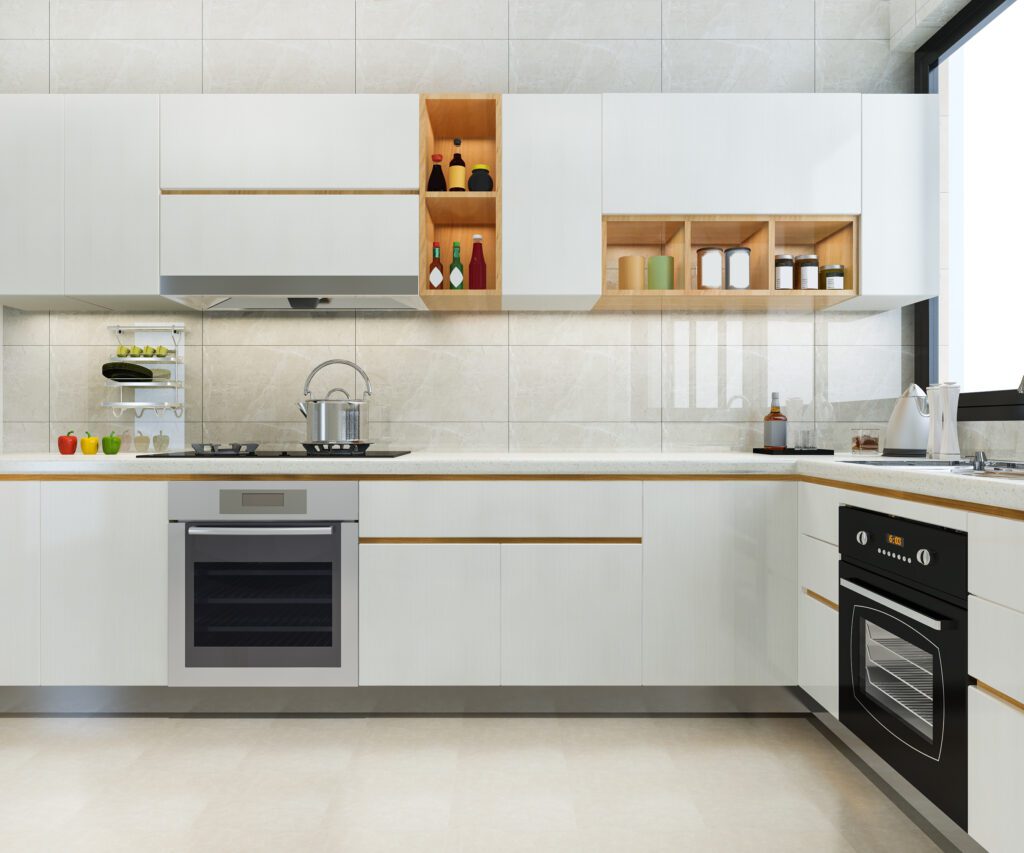
In developing floor plans, efficiency should take center stage. Homeowners should consider aspects such as traffic patterns, flow between rooms, and natural light when creating their layouts. Employing a cohesive design approach ensures that interconnected spaces facilitate ease of movement and accessibility. For example, positioning the kitchen adjacent to the dining area streamlines meal service, while well-planned living spaces create an inviting atmosphere. Homeowners should consult with design professionals who can provide insights into optimizing space utilization without compromising on aesthetics. Leveraging technology, such as 3D design tools, can also allow homeowners to visualize and manipulate floor plans effectively, ensuring that the final outcome aligns with their goals. By prioritizing maximized functionality alongside space efficiency, homeowners can achieve a balanced and harmonious living environment that enhances their quality of life.


Enhancing Aesthetics and Curb Appeal
Incorporating Personal Style
To elevate a home’s aesthetic appeal,incorporating elements of personal style is vital. Homeowners can achieve this by selecting colors, materials, and decor that reflect their unique tastes. Whether embracing a minimalist approach or opting for bold textures and patterns, the key is to ensure that these choices come together harmoniously. Additionally, landscaping can play a significant role in enhancing curb appeal. Thoughtful plant selections, well-placed outdoor lighting, and inviting pathways can contribute to a welcoming exterior that draws attention and increases property value. By infusing personal touches into both interior and exterior design, homeowners create a cohesive look that mirrors their individuality.
Making Design Choices for Visual Impact
Design choices should also focus on creating visual impact, especially when considering focal points both inside and outside the home. Architectural features, such as accent walls, bold front doors, or unique window designs, can captivate visitors’ attention. In interiors, highlighting artwork or using statement furniture pieces encourages conversation and enhances interest in the space. Furthermore, balancing bold elements with neutral tones can provide a sense of harmony throughout the home. Homeowners are encouraged to collaborate with design professionals who can offer insights into the latest trends while ensuring that their specific vision is realized. By making intentional design choices that emphasize aesthetics, the overall ambiance of the home is enhanced, resulting in a space that is not only inviting but visually striking, creating a lasting first impression for guests and passersby alike.