

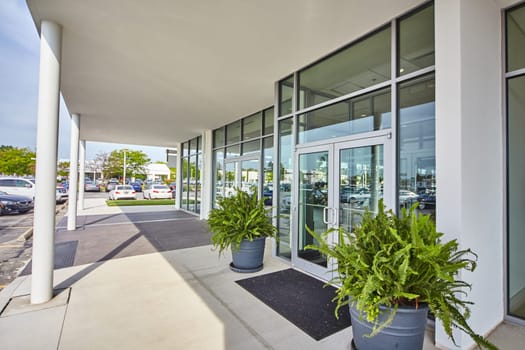
Carson Valley, nestled in the Sierra Nevada foothills of Nevada, is a region characterized by its stunning natural beauty and rich cultural heritage. This picturesque valley is bordered by the majestic Sierra Nevada mountains to the west and the expansive desert landscapes to the east, creating a unique blend of environments that attract both residents and visitors alike. The area is known for its outdoor recreational opportunities, including hiking, skiing, and fishing, making it a haven for nature enthusiasts.
Additionally, Carson Valley boasts a vibrant community with a strong sense of identity, where local traditions and modern living coexist harmoniously. The valley’s economy has evolved over the years, transitioning from a primarily agricultural base to a more diversified landscape that includes tourism, retail, and commercial development. This shift has led to an increased focus on sustainable practices and innovative design in construction projects.
As the region continues to grow, it faces the challenge of balancing development with environmental stewardship, ensuring that the natural beauty of Carson Valley is preserved for future generations. This article will explore various aspects of modern construction practices in Carson Valley, highlighting the importance of sustainability, technology integration, and community engagement in shaping the future of this remarkable region.

Key Takeaways
- Carson Valley offers a picturesque setting for sustainable design and green building practices, with a focus on preserving the natural environment.
- Mixed-use development and urban revitalization are key strategies for creating vibrant, walkable communities in Carson Valley.
- Technology integration and smart building solutions play a crucial role in enhancing the efficiency and functionality of commercial developments in Carson Valley.
- Adaptive reuse and historic preservation are important considerations in maintaining the character and charm of Carson Valley’s built environment.
- Wellness and health-centered building design are prioritized in Carson Valley to create spaces that promote the well-being of occupants.
Sustainable Design and Green Building Practices
Sustainable design and green building practices have become essential components of modern construction in Carson Valley. As awareness of environmental issues grows, developers and builders are increasingly adopting strategies that minimize ecological impact while maximizing energy efficiency. This approach not only benefits the environment but also enhances the quality of life for residents by creating healthier living spaces.
Incorporating renewable energy sources, such as solar panels and wind turbines, into building designs is one way to reduce reliance on fossil fuels and lower greenhouse gas emissions. In addition to energy efficiency, sustainable design emphasizes the use of eco-friendly materials and construction methods. Builders are now prioritizing locally sourced materials, which not only reduces transportation emissions but also supports the local economy.
Furthermore, innovative techniques such as rainwater harvesting and greywater recycling are being integrated into new developments to promote water conservation. By embracing these sustainable practices, Carson Valley is setting a precedent for responsible development that respects both the environment and the community.
Mixed-Use Development and Urban Revitalization

Mixed-use development has emerged as a key strategy for urban revitalization in Carson Valley. By combining residential, commercial, and recreational spaces within a single project, mixed-use developments foster vibrant communities that encourage social interaction and economic growth. This approach not only maximizes land use but also reduces the need for extensive transportation infrastructure, as residents can access essential services within walking distance.
The integration of diverse spaces creates a dynamic atmosphere that attracts people of all ages and backgrounds. Moreover, mixed-use developments often incorporate public spaces such as parks and plazas, enhancing the overall quality of life for residents. These communal areas serve as gathering spots for social events, farmers’ markets, and cultural activities, fostering a sense of belonging among community members.
As Carson Valley continues to evolve, mixed-use development will play a crucial role in revitalizing urban areas while promoting sustainability and economic resilience.
Technology Integration and Smart Building Solutions
The integration of technology into building design has revolutionized the construction industry in Carson Valley. Smart building solutions leverage advanced technologies to enhance energy efficiency, improve occupant comfort, and streamline building management processes. For instance, automated systems can regulate heating, cooling, and lighting based on occupancy patterns, significantly reducing energy consumption.
Additionally, smart sensors can monitor air quality and adjust ventilation systems accordingly, ensuring a healthy indoor environment. Furthermore, technology integration extends beyond energy management; it also enhances security and accessibility within buildings. Advanced surveillance systems and access control technologies provide peace of mind for occupants while ensuring compliance with safety regulations.
As Carson Valley embraces these innovations, it positions itself as a forward-thinking community that prioritizes both sustainability and quality of life through smart building solutions.
Adaptive Reuse and Historic Preservation
Adaptive reuse is an increasingly popular approach in Carson Valley that involves repurposing existing structures for new uses while preserving their historical significance. This practice not only conserves resources by minimizing the need for new materials but also honors the rich architectural heritage of the region. By transforming old warehouses into modern office spaces or converting historic homes into boutique hotels, developers can breathe new life into aging buildings while maintaining their unique character.
Historic preservation plays a vital role in maintaining the cultural identity of Carson Valley. By valuing and protecting historical sites, the community fosters a sense of pride among residents and attracts visitors interested in exploring its heritage. Adaptive reuse projects often incorporate modern amenities while retaining original architectural features, creating a harmonious blend of old and new.
This approach not only contributes to sustainable development but also enriches the community’s narrative by celebrating its past.
Wellness and Health-Centered Building Design

In recent years, there has been a growing emphasis on wellness and health-centered building design in Carson Valley. Recognizing the impact of the built environment on physical and mental well-being, architects and developers are prioritizing features that promote healthful living. Natural light, open spaces, and access to nature are integral components of wellness-focused designs that enhance occupant comfort and productivity.
Incorporating biophilic design principles—such as green walls, indoor gardens, and natural materials—further supports well-being by creating calming environments that connect occupants with nature. Additionally, facilities that encourage physical activity, such as walking paths and fitness centers, contribute to healthier lifestyles. As awareness of health-related issues continues to rise, Carson Valley’s commitment to wellness-centered design positions it as a leader in creating spaces that nurture both individuals and communities.
Flexible Workspaces and Co-Working Environments
The rise of remote work has transformed traditional office spaces into flexible workspaces that cater to diverse needs in Carson Valley. Co-working environments have gained popularity as they provide individuals with collaborative spaces that foster creativity and innovation. These shared workspaces offer amenities such as high-speed internet, meeting rooms, and communal areas that encourage networking among professionals from various industries.
Flexible workspaces also promote work-life balance by allowing individuals to choose where and how they work. This adaptability is particularly beneficial for entrepreneurs and freelancers who seek dynamic environments that inspire productivity. As more people embrace remote work arrangements, Carson Valley’s development of flexible workspaces will play a crucial role in attracting talent and supporting local businesses.
Community Engagement and Social Responsibility in Commercial Development
Community engagement is an essential aspect of commercial development in Carson Valley. Developers are increasingly recognizing the importance of involving local residents in the planning process to ensure that projects align with community needs and values. By hosting public forums and workshops, developers can gather input from stakeholders, fostering a sense of ownership among residents.
Social responsibility also plays a significant role in shaping commercial development initiatives. Many projects prioritize affordable housing options or allocate resources for community programs that support education and health services. By addressing social issues through thoughtful development practices, Carson Valley can create inclusive spaces that benefit all residents while promoting economic growth.
In conclusion, Carson Valley stands at the forefront of innovative construction practices that prioritize sustainability, technology integration, and community engagement. As the region continues to evolve, its commitment to responsible development will ensure that it remains a vibrant place to live and work while preserving its unique natural beauty and cultural heritage for generations to come.
FAQs
What are the current commercial building trends in Carson Valley?
The current commercial building trends in Carson Valley include a focus on sustainable and energy-efficient design, mixed-use developments, and the incorporation of technology and smart building features.
What is driving the commercial building trends in Carson Valley?
The commercial building trends in Carson Valley are being driven by the demand for modern and efficient commercial spaces, as well as the desire to attract businesses and tenants to the area.
Are there any specific architectural styles or design elements that are popular in commercial building construction in Carson Valley?
In Carson Valley, there is a preference for contemporary and modern architectural styles, as well as the use of natural materials and landscaping to blend with the surrounding environment.
How are commercial building developers incorporating sustainability into their projects in Carson Valley?
Commercial building developers in Carson Valley are incorporating sustainability into their projects by using energy-efficient materials, implementing green building practices, and integrating renewable energy sources such as solar panels.
What role does technology play in the commercial building trends in Carson Valley?
Technology plays a significant role in the commercial building trends in Carson Valley, with developers incorporating smart building features, advanced security systems, and high-speed internet connectivity to meet the needs of modern businesses and tenants.


