


Commercial renovation plays a pivotal role in maintaining and enhancing the value of a business property. As industries evolve and consumer preferences shift, businesses must adapt their physical spaces to remain competitive. A well-executed renovation can breathe new life into an outdated space, making it more functional and appealing to customers.
This transformation not only improves the aesthetic appeal but also enhances the overall customer experience, which is crucial in today’s market where first impressions can significantly influence consumer behavior. Moreover, commercial renovations can lead to increased efficiency and productivity. By reconfiguring layouts and updating facilities, businesses can create environments that foster collaboration and innovation among employees.
Modernizing workspaces with the latest technology and design trends can also improve employee morale, leading to higher retention rates and better performance. In essence, investing in commercial renovation is not merely about aesthetics; it is a strategic move that can yield substantial returns in terms of customer satisfaction and employee productivity.
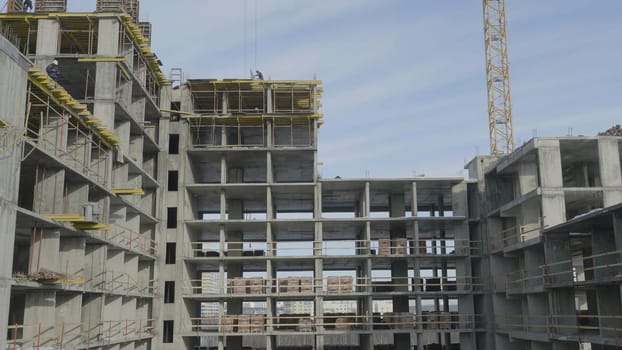
Key Takeaways
- Commercial renovation can improve the functionality, aesthetics, and value of your business space.
- Proper budgeting and financial planning are crucial for the success of a renovation project.
- Choosing the right contractor with experience in commercial renovations is essential for a smooth and successful project.
- Design and layout considerations should prioritize functionality, aesthetics, and the needs of your business.
- Navigating permits and regulations is important to ensure compliance and avoid costly delays.
Budgeting and Financial Planning for Renovation Projects
Effective budgeting is a cornerstone of any successful renovation project. Before embarking on a commercial renovation, it is essential to establish a clear financial plan that outlines all potential costs. This includes not only the obvious expenses such as construction materials and labor but also less apparent costs like permits, inspections, and potential disruptions to business operations.
A comprehensive budget should account for contingencies, as unexpected issues often arise during renovations that can lead to additional expenses. In addition to outlining costs, businesses should explore various financing options available for renovation projects. This may include traditional loans, grants, or even partnerships with investors who are interested in supporting the renovation in exchange for a share of future profits.
By carefully considering all financial avenues, businesses can ensure they have the necessary resources to complete their renovation without compromising their operational capabilities.
Choosing the Right Contractor for Your Commercial Renovation

Selecting the right contractor is crucial for the success of any commercial renovation project. A skilled contractor not only brings expertise and experience but also helps navigate the complexities of the renovation process. When evaluating potential contractors, it is important to consider their track record, portfolio of past projects, and client testimonials.
A contractor with a proven history of successful commercial renovations will likely have the knowledge and skills necessary to handle the unique challenges that may arise. Additionally, effective communication is key when working with a contractor. Establishing a clear line of communication from the outset ensures that both parties are aligned on project goals, timelines, and expectations.
It is advisable to conduct thorough interviews with potential contractors, asking about their approach to project management and how they handle unforeseen issues. A contractor who prioritizes transparency and collaboration will contribute significantly to a smoother renovation process.
Design and Layout Considerations for Commercial Spaces
The design and layout of a commercial space are fundamental elements that can significantly impact its functionality and appeal. When planning a renovation, it is essential to consider how the new design will align with the business’s brand identity and operational needs. For instance, an open-concept layout may be ideal for businesses that thrive on collaboration, while more traditional layouts might suit companies that require privacy for client meetings or sensitive work.
Incorporating flexibility into the design is also vital. As businesses grow and evolve, their spatial needs may change. Designing spaces that can be easily reconfigured or adapted for different uses will ensure longevity and relevance in an ever-changing market.
Additionally, integrating elements such as natural light, ergonomic furniture, and modern technology can enhance both employee satisfaction and customer experience, making the space more inviting and functional.
Navigating Permits and Regulations for Commercial Renovations
Navigating the maze of permits and regulations is often one of the most daunting aspects of commercial renovations. Each locality has its own set of rules governing construction projects, which can include zoning laws, building codes, and safety regulations. Understanding these requirements is essential to avoid costly delays or legal issues down the line.
Engaging with local authorities early in the planning process can provide clarity on what permits are necessary and streamline the approval process. Moreover, working with a contractor who has experience in handling permits can alleviate much of the stress associated with this aspect of renovation. A knowledgeable contractor will be familiar with local regulations and can assist in preparing the necessary documentation for submission.
This partnership not only ensures compliance but also allows business owners to focus on other critical aspects of their renovation project.
Minimizing Disruptions to Your Business During Renovation
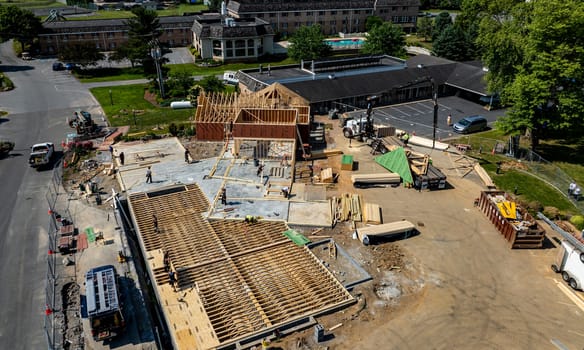
One of the primary concerns during a commercial renovation is minimizing disruptions to daily operations. A well-planned renovation strategy can help mitigate potential interruptions while ensuring that work progresses efficiently. Scheduling renovations during off-peak hours or slower business periods can significantly reduce the impact on customers and employees alike.
Additionally, clear communication with staff about the renovation timeline and expected disruptions will help manage expectations and maintain morale. Implementing temporary solutions such as designated work areas or alternative entrances can also help maintain business continuity during renovations. By proactively addressing potential disruptions, businesses can ensure that their operations remain as smooth as possible while still achieving their renovation goals.
Incorporating Sustainable and Energy-Efficient Features in Your Renovation
In today’s environmentally conscious market, incorporating sustainable and energy-efficient features into commercial renovations is not just a trend; it’s becoming a necessity. Businesses are increasingly recognizing the long-term benefits of sustainability, including reduced operational costs and enhanced brand reputation. When planning a renovation, consider integrating energy-efficient systems such as LED lighting, high-efficiency HVAC systems, and smart building technologies that optimize energy use.
Additionally, using sustainable materials in construction can further enhance a project’s eco-friendliness. Options such as recycled materials or sustainably sourced wood not only reduce environmental impact but also appeal to consumers who prioritize sustainability in their purchasing decisions. By embracing green practices in renovations, businesses can position themselves as leaders in sustainability while also enjoying cost savings over time.
Marketing and Promoting Your Renovated Commercial Space
Once the renovation is complete, effectively marketing the newly transformed space is essential to attract customers and generate buzz. A well-executed marketing strategy should highlight the unique features of the renovated space while emphasizing how these changes enhance customer experience. Utilizing social media platforms, email newsletters, and local advertising can help spread the word about the renovations and draw attention to any special promotions or events celebrating the reopening.
Hosting an open house or launch event can also be an effective way to showcase the renovated space to both existing customers and potential new clients. This provides an opportunity for businesses to engage directly with their audience, gather feedback, and create lasting impressions. By actively promoting the renovated space, businesses can maximize their investment in renovations while fostering community engagement and loyalty.
In conclusion, commercial renovation is a multifaceted process that requires careful planning and execution across various dimensions—from budgeting to design considerations and marketing strategies. By understanding its importance and navigating each step thoughtfully, businesses can create spaces that not only meet their operational needs but also resonate with customers and employees alike.

FAQs
What is commercial renovation?
Commercial renovation refers to the process of making improvements or changes to a commercial property, such as an office building, retail space, or restaurant. This can include updating the interior or exterior, adding new features, or making repairs to enhance the functionality and aesthetics of the space.
Why should Carson Valley business owners consider commercial renovation?
Commercial renovation can help Carson Valley business owners improve the functionality, appearance, and value of their properties. It can also attract more customers, enhance employee productivity, and comply with building codes and regulations.
What are the common types of commercial renovation projects for Carson Valley businesses?
Common types of commercial renovation projects for Carson Valley businesses include interior remodeling, exterior upgrades, HVAC system improvements, electrical and plumbing updates, accessibility enhancements, and energy-efficient upgrades.
How can Carson Valley business owners start a commercial renovation project?
Carson Valley business owners can start a commercial renovation project by assessing their needs and goals, creating a budget, hiring a reputable contractor, obtaining necessary permits, and planning the project timeline and logistics.
What are the key considerations for Carson Valley business owners during a commercial renovation?
Key considerations for Carson Valley business owners during a commercial renovation include budget constraints, compliance with local building codes, minimizing disruptions to daily operations, and ensuring the safety of employees, customers, and contractors.


