

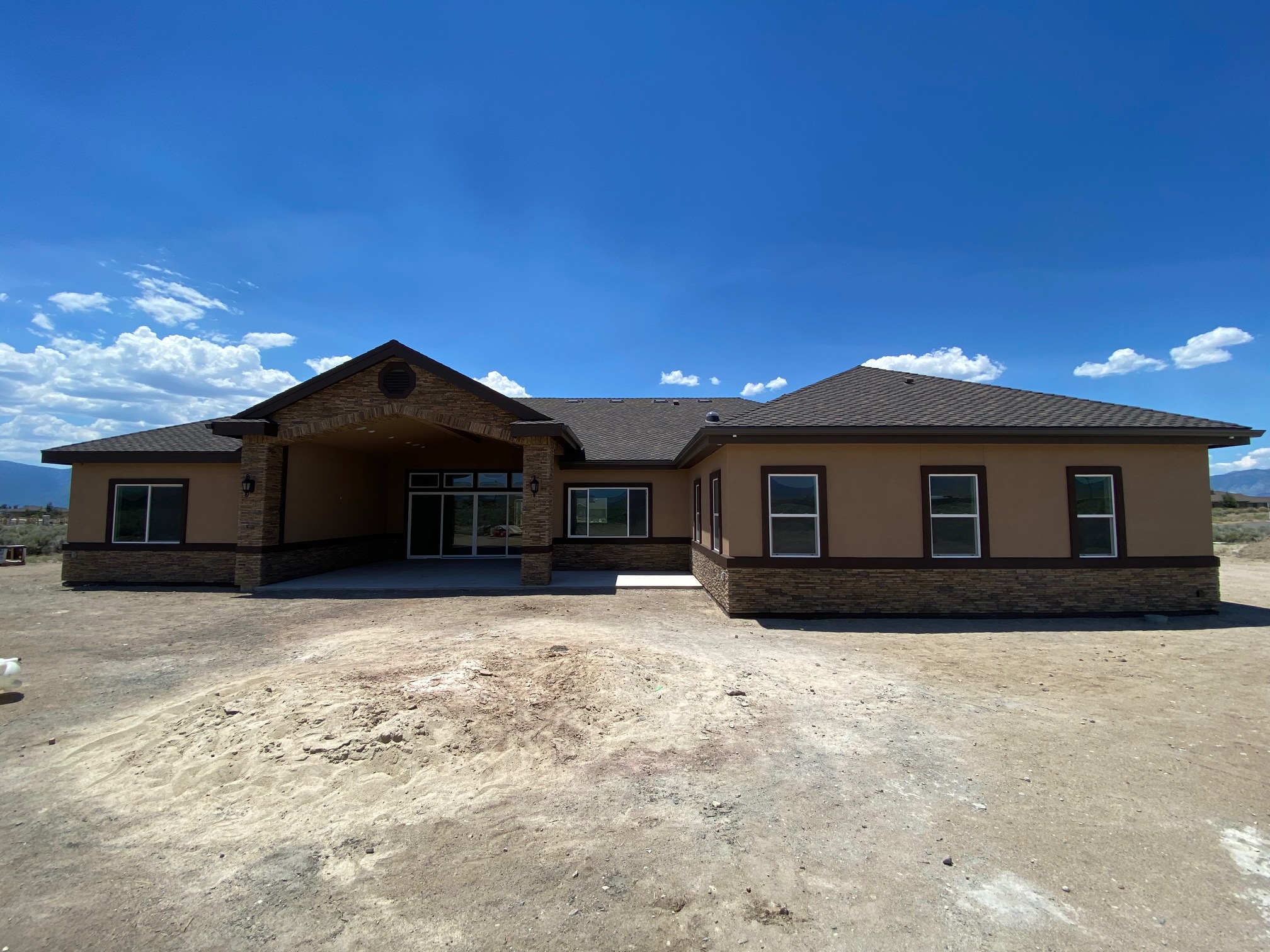
Understanding the Custom Home Building Process
Overview of the Home Building Journey
The custom home building process is a meticulous journey that transforms an architectural vision into a tangible reality. Initially, it begins with a comprehensive consultation between the client and the builder, establishing the foundational requirements and preferences. This includes discussing architectural styles, layout preferences, and desired features. Subsequently, the design phase commences, where architects and designers collaborate to create plans that align with the client’s aspirations. Following the finalization of the blueprint, the actual construction progresses, encompassing various stages such as site preparation, framing, plumbing, and installation of finishes. This journey culminates with a walk-through, ensuring every detail meets the client’s expectations before handing over the keys.
Important Factors to Consider Before Starting
Before embarking on this significant endeavor, several crucial factors should be taken into account. First, it is essential to establish a realistic budget that allows for unforeseen expenses, as custom builds can often exceed initial estimates. Additionally, choosing the right location is paramount; factors like proximity to essential services, schools, and community amenities will influence long-term satisfaction. Timing is another vital element—being aware of market trends and seasonal factors can greatly affect the construction timeline. Lastly, aligning with a reputable and experienced builder is critical, as their expertise will guide through potential pitfalls and ensure quality in craftsmanship. By considering these factors conclusively, clients can pave the way toward a successful and rewarding custom home building experience.

Choosing the Right Custom Home Builder
Researching and Selecting a Reputable Builder
Selecting the right custom home builder is a critical step in the home building process. Potential homeowners should conduct extensive research, beginning with gathering recommendations from friends, family, and community members. Examining online reviews and portfolios of previous projects can provide valuable insights into the builder’s capabilities and reputation. Additionally, prospective clients should ensure that the builder holds the necessary licenses and insurance, as these are crucial for protecting their investment. Interviewing multiple builders and asking about their experience, approach to design, and timelines can significantly aid in making an informed decision.
Designing Your Dream Home with the Builder
Once a reputable builder has been selected, the next step involves collaborating to design the dream home. This phase is characterized by open communication where clients articulate their needs and visions, while the builder provides guidance and expertise. Utilizing advanced design tools such as 3D modeling can enhance visualization and streamline the decision-making process. Builders often offer a range of customizable options that align with the client’s budget, ensuring that practical considerations are addressed along with aesthetic preferences. Regular meetings throughout this phase are essential to refine designs and accommodate any changes that might arise. Ultimately, this collaboration not only results in a home that reflects the client’s unique style but also establishes a strong partnership between the homeowner and the builder. Such a partnership is invaluable, as it lays the groundwork for a successful construction journey, ensuring that expectations are met and exceeded.

Setting Realistic Budget and Timeline Expectations
Estimating Costs and Allocating Resources
Establishing a realistic budget is paramount in the custom home building process. Homeowners need to consider not only construction costs but also associated expenses, such as permits and utility hookups. A detailed breakdown of costs will help allocate resources effectively. Consulting with the chosen builder about pricing from the outset can offer clarity and transparency, allowing clients to understand where their finances will be directed. Additional factors to keep in mind include potential unexpected expenses that may arise during the construction phase, emphasizing the importance of having a contingency fund. This proactive approach can prevent financial strain and contribute to a smoother building experience.
Creating a Realistic Construction Timeline
Alongside budgeting, establishing a timeline brings structure to the project and helps manage client expectations. Homeowners should work closely with their chosen builder to determine a feasible timeframe for completing the custom home. This includes understanding factors such as site preparation, construction phases, and final inspections. By marking key milestones along the way, clients can have a clearer picture of the entire process, ensuring that any unforeseen delays are effectively communicated. Regular updates should be maintained throughout construction, fostering transparency and facilitating adjustments to the timeline as needed. Ultimately, balancing budget considerations with a realistic timeline enhances the overall experience, enabling homeowners to transition from concept to completion with confidence and satisfaction.
Customizing Your Home Design


Selecting Architectural Styles and Floor Plans
When it comes to creating a custom home, one of the most enjoyable aspects is selecting the architectural style and floor plan that best suits the homeowner’s lifestyle and preferences. A well-considered floor plan optimizes space and functionality, allowing for the seamless flow between rooms. Clients are encouraged to explore various architectural styles, from traditional to contemporary, by reviewing portfolios and consulting with their builder. This collaborative approach not only ensures that the home reflects the homeowner’s vision but also respects regional trends and building codes. The choice of design should account for the family’s needs, such as the number of bedrooms, communal areas for entertaining, and additional spaces like home offices or guest suites.
Choosing Custom Features and Upgrades
Custom features and upgrades elevate a standard home into a personalized haven. Homeowners should carefully consider which amenities will enhance their daily living experience. Options may include energy-efficient appliances, smart home technology, and sustainable materials. Additionally, selecting finishes and fixtures that align with the overall aesthetic creates a cohesive look throughout the home. It’s essential for clients to communicate their desires clearly to their builders, who can guide them through available choices and recommend upgrades that provide long-term value. By thoughtfully integrating custom features, clients can ensure that their new home is not only visually stunning but also functional, welcoming, and built to last. The right enhancements contribute significantly to a home’s overall appeal and satisfy the homeowner’s unique lifestyle requirements.
Securing Permits and Approvals
Navigating Local Building Codes and Regulations
When embarking on the journey of custom home design, navigating local building codes and regulations is crucial. Homeowners must familiarize themselves with the specific requirements set forth by their local authorities to ensure their projects comply with safety standards and zoning laws. Engaging with experts, such as architects or builders well-versed in local regulations, can help streamline this process. They will guide clients through understanding zoning ordinances, environmental considerations, and any other restrictions that may impact the design and construction of their new home. Compliance with these regulations not only ensures a smooth building process but also safeguards the future value of the property.
Obtaining Necessary Permits and Approvals
Obtaining the necessary permits and approvals is an important step toward realizing a custom home. Different types of permits may be required, including building permits, electrical permits, and plumbing permits, depending on the scope of the construction. Homeowners should proactively work with their builders to compile and submit the required documentation to local governing bodies. This may include architectural plans, engineering reports, and environmental impact assessments. Each stage of the approval process may take time, so allowing for these delays in the overall timeline of the project is vital. Ensuring all permits are in place prevents costly setbacks during construction, allowing homeowners to proceed confidently toward their dream home while adhering to all regulatory standards.


