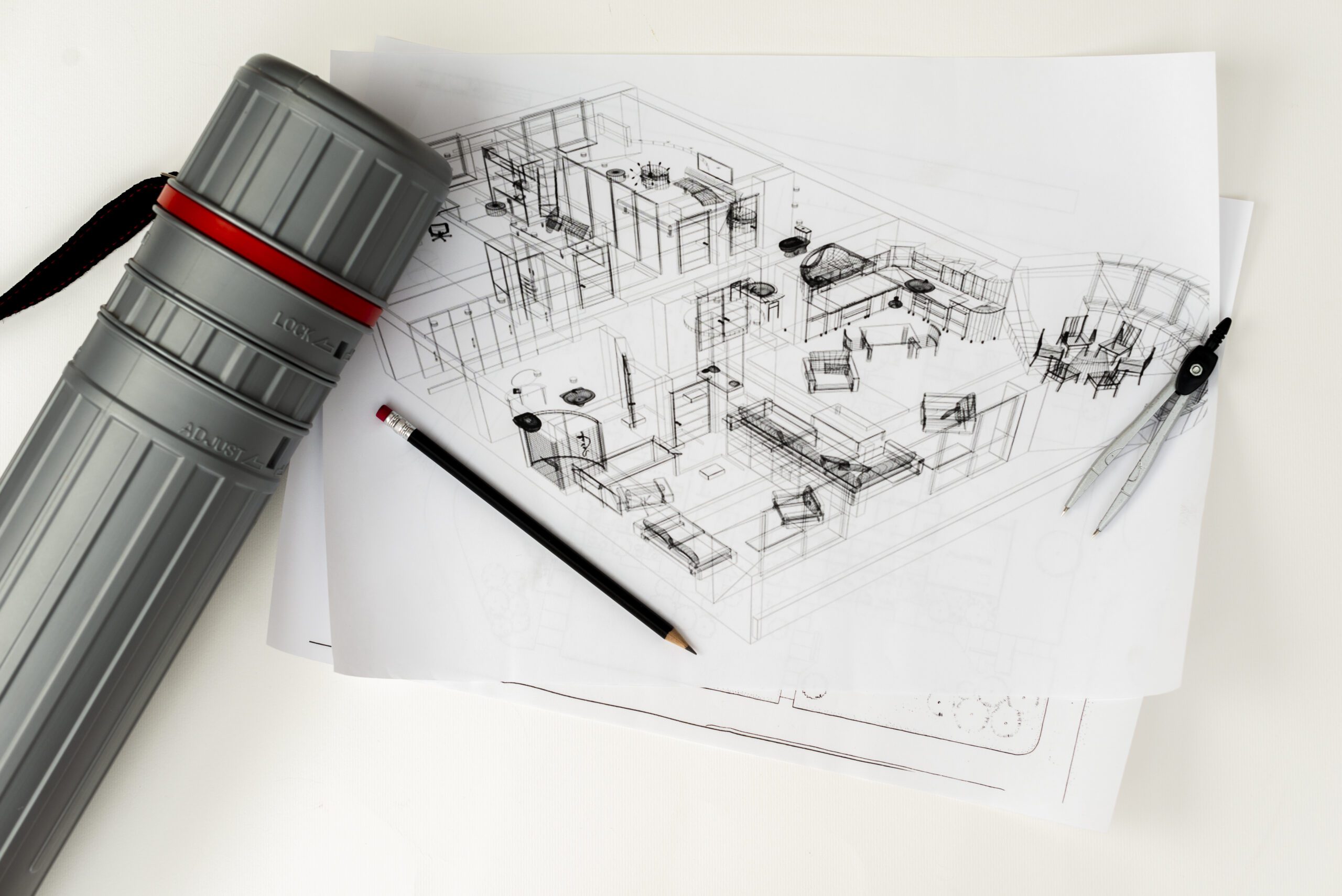
The journey of transforming a house into a home begins with the initial consultation, a crucial step where ideas and goals are exchanged. This meeting serves as a platform for homeowners to articulate their vision, preferences, and aspirations for their living space. During this phase, it is essential to establish a clear understanding of what the homeowner desires, whether it be a modern aesthetic, a cozy retreat, or a functional family space.
Open communication is key, as it allows both the homeowner and the design team to align their expectations and set realistic goals for the project. In addition to discussing aesthetic preferences, this initial meeting often delves into practical considerations such as budget constraints and timelines. Homeowners are encouraged to share their financial parameters, which helps in crafting a plan that is both beautiful and feasible.
By addressing these elements early on, the groundwork is laid for a successful collaboration. This phase is not just about gathering information; it is about building a relationship based on trust and mutual understanding, ensuring that everyone involved is on the same page as the project progresses.
Key Takeaways
- The initial consultation is a crucial step in discussing ideas and goals for your home design project.
- During the design phase, your ideas will be turned into detailed plans that will guide the project.
- Selecting materials and finishes is an important part of bringing the design to life and creating the desired look and feel.
- Working with contractors and builders is essential for turning plans into action and ensuring the project stays on track.
- The construction phase is where the design becomes a reality, and attention to detail is key for a successful outcome.
- Adding personal style and decor during the finishing touches phase will make your new home feel truly yours.
- Final inspections and quality checks are necessary to ensure that the project is completed to your satisfaction.
- Enjoying your new home is the ultimate goal, so take the time to settle in and make lasting memories in your beautifully designed space.

The Design Phase: Turning Ideas into Detailed Plans
Introduction to the Design Phase
Once the initial consultation has set the stage, the design phase begins, where abstract ideas are transformed into detailed plans. This stage involves creating blueprints that reflect the homeowner’s vision while also adhering to practical constraints such as zoning laws and structural integrity. Designers work meticulously to ensure that every element of the plan aligns with the homeowner’s goals, from room layouts to lighting schemes.
Collaboration and Feedback
This is where creativity meets functionality, as designers strive to create spaces that are not only visually appealing but also livable. Collaboration is paramount during this phase. Homeowners are encouraged to provide feedback on drafts and renderings, allowing for adjustments that better reflect their desires. This iterative process fosters a sense of ownership and involvement, making it more likely that the final design will resonate with the homeowner’s vision.
Considering Sustainability and Efficiency
Additionally, this phase often includes discussions about energy efficiency and sustainability, as many homeowners are increasingly interested in incorporating eco-friendly elements into their designs. By considering these factors early on, the design can be both innovative and responsible. This approach not only benefits the environment but also contributes to a more sustainable and cost-effective living space.
Outcome of the Design Phase
The outcome of this phase is a comprehensive design plan that balances the homeowner’s vision with practical considerations. The plan is refined through collaboration and feedback, ensuring that the final design meets the homeowner’s needs and expectations. With a well-planned design, the construction phase can proceed with confidence, knowing that the end result will be a beautiful and functional living space.
Selecting Materials and Finishes: Bringing the Design to Life
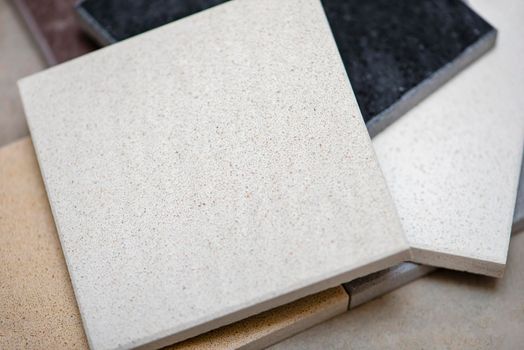


With detailed plans in hand, the next step involves selecting materials and finishes that will bring the design to life. This phase is where homeowners can truly express their personal style, choosing everything from flooring and cabinetry to paint colors and fixtures. The selection process can be both exciting and overwhelming, given the myriad of options available.
Designers play a crucial role in guiding homeowners through this journey, offering insights into trends, durability, and maintenance considerations. Choosing materials also involves practical considerations such as budget and availability. Homeowners may find themselves balancing their dream selections with what is feasible within their financial constraints.
This is where expert advice becomes invaluable; designers can suggest alternatives that maintain the desired aesthetic while being more cost-effective or sustainable. Ultimately, this phase is about creating a cohesive look that reflects the homeowner’s personality while ensuring that the materials chosen will stand the test of time.
Working with Contractors and Builders: Turning Plans into Action
Once materials have been selected, it’s time to collaborate with contractors and builders to turn plans into action. This phase marks the transition from design to execution, requiring effective communication between all parties involved. Homeowners often find themselves working closely with project managers who oversee the construction process, ensuring that everything runs smoothly and according to schedule.
Clear communication is essential here; any changes or concerns must be addressed promptly to avoid delays or misunderstandings. The relationship between homeowners and contractors can significantly impact the success of a project. Trust and transparency are vital as homeowners rely on builders to bring their vision to life.
Regular updates and site visits help keep homeowners informed about progress and any potential challenges that may arise. This collaborative effort ensures that everyone remains aligned with the project goals, fostering a sense of teamwork that can make the construction process more enjoyable.
The Construction Phase: Bringing the Design to Reality
As construction begins, the vision starts to take shape in tangible form. This phase is often filled with excitement as walls go up, spaces are defined, and the overall structure begins to resemble what was once just an idea on paper. Skilled tradespeople work diligently to ensure that every detail is executed according to plan, from framing and plumbing to electrical work and drywall installation.
It’s a dynamic environment where creativity meets craftsmanship. Throughout this phase, challenges may arise—unexpected structural issues or delays in material delivery can test the resolve of both homeowners and builders. However, these obstacles can often be overcome with effective problem-solving and adaptability.
Regular communication remains crucial; homeowners should feel empowered to ask questions and voice concerns as they witness their dream home come to life. The construction phase is not just about building; it’s about collaboration, resilience, and commitment to quality.
The Finishing Touches: Adding Personal Style and Decor

Personalizing the Space
Designers often assist in this process, offering guidance on how to create a cohesive look that complements the overall design. In addition to aesthetics, functionality remains a priority during this phase. Homeowners consider how they will use each space and select decor that enhances both beauty and practicality.
Functionality and Aesthetics
For instance, choosing durable fabrics for high-traffic areas or incorporating storage solutions can help maintain an organized environment while still reflecting personal style. The finishing touches are not merely decorative; they are an opportunity for homeowners to create spaces that feel welcoming and lived-in.
Creating a Welcoming Atmosphere
The finishing touches are a crucial part of the home-building process, as they allow homeowners to put their own unique stamp on the space. By considering both form and function, homeowners can create a space that is not only beautiful but also functional and comfortable.
Final Touches
Ultimately, the finishing touches are what make a house a home, and it’s essential to get them right. With careful consideration and attention to detail, homeowners can create a space that reflects their personality and style, making their new house feel like a true home.
Final Inspections and Quality Checks: Ensuring a Job Well Done
Before officially moving in, final inspections and quality checks are conducted to ensure that everything meets established standards. This phase is critical for identifying any issues that may need addressing before occupancy. Homeowners are encouraged to walk through their new space with contractors or project managers, examining every detail from paint finishes to plumbing fixtures.
This thorough review helps ensure that all aspects of the project align with expectations. Quality checks also involve verifying that all safety codes have been met and that systems such as electrical wiring and HVAC are functioning properly. This diligence not only protects the investment made in the home but also provides peace of mind for homeowners as they prepare to settle in.
Addressing any concerns at this stage ensures a smooth transition into their new living environment.
Enjoying Your New Home: Settling In and Making Memories
With inspections complete and any final adjustments made, it’s time for homeowners to enjoy their new space fully. Settling in involves more than just unpacking boxes; it’s about creating a sense of belonging within the new environment. Homeowners often take this opportunity to personalize their spaces further by arranging furniture in ways that promote comfort and functionality while adding personal touches through decor.
As families gather in their new home, memories begin to form—shared meals in the dining room, cozy movie nights in the living room, or quiet moments spent in a sunlit corner with a good book. Each room becomes a backdrop for life’s moments, from celebrations to everyday routines. The culmination of careful planning, collaboration, and creativity results in a space where families can thrive together, making lasting memories in a home that truly reflects who they are.

FAQs
What is the home design process in Carson Valley?
The home design process in Carson Valley involves turning a concept or idea into a tangible and functional home design. It includes various stages such as conceptualization, sketching, drafting, and ultimately construction.
What are the key steps involved in the home design process?
The key steps in the home design process include initial consultation, site analysis, conceptual design, design development, construction documentation, and construction administration.
Who is involved in the home design process?
The home design process typically involves the collaboration of various professionals such as architects, designers, engineers, contractors, and clients. Each plays a crucial role in bringing the design from sketch to reality.
What are some important considerations in the home design process?
Important considerations in the home design process include the client’s needs and preferences, site constraints, budget, building codes and regulations, sustainability, and functionality.
How long does the home design process typically take?
The duration of the home design process can vary depending on the complexity of the project, the scope of work, and the efficiency of the design team. It can range from a few months to over a year.