Introduction
In today’s fast-paced world, the kitchen has evolved into more than just a cooking space; it serves as a multifunctional hub for family and friends. Given its significance, many homeowners are considering kitchen remodeling as an investment not only in their homes but also in their lifestyles. Remodeling a kitchen can breathe new life into a home, enhancing both its aesthetic appeal and functionality. This article will examine the importance of kitchen remodeling and the common goals that guide homeowners in their renovation projects.

Importance of Kitchen Remodeling
Kitchen remodeling is essential for several reasons. First and foremost, it can significantly increase the value of a home. Potential buyers often prioritize modern and efficient kitchens, and a well-executed remodel can yield substantial returns on investment. Additionally, a remodeled kitchen can improve energy efficiency by integrating modern appliances and fixtures that consume less energy. Beyond financial benefits, remodeling can enhance the cooking experience by creating a more purposeful layout and incorporating the latest design trends that reflect the homeowner’s tastes.
Common Goals of Kitchen Renovation
When undertaking a kitchen renovation, homeowners typically have specific goals in mind. One common objective is to improve functionality, whether through better layout design or increased storage options. Another goal is to update the aesthetics, creating a more inviting and stylish environment. Moreover, many renovations focus on incorporating modern technology, such as smart appliances, to streamline cooking processes and enhance convenience. Ultimately, these goals converge to provide a more enjoyable and efficient kitchen experience.
Not Planning Ahead
A common pitfall for homeowners embarking on a kitchen remodeling journey is the lack of comprehensive planning. Without a well-thought-out strategy, the renovation process can quickly become overwhelming and chaotic, leading to unsatisfactory results. Planning ahead allows homeowners to anticipate challenges and set themselves up for success in their kitchen transformation.
Setting a Realistic Budget
One of the first steps in proper planning is establishing a realistic budget. A financial plan not only helps homeowners avoid overspending but also ensures they prioritize their renovation needs effectively. It is essential to account for potential hidden costs, such as unexpected repairs or modifications that may arise during the remodeling process. By aligning their financial resources with their vision, homeowners can make informed decisions regarding materials, appliances, and labor. This clarity can ultimately lead to a kitchen that meets both functional and aesthetic expectations.
Creating a Detailed Timeline
In addition to budgeting, creating a detailed timeline for the remodeling project is crucial. Homeowners must consider how long the renovation will take and plan for temporary adjustments in their routines. Establishing clear deadlines for each phase of the project—whether it be demolition, construction, or installation—enables homeowners to monitor progress and make timely adjustments if needed. By adhering to a timeline, the renovation process can run smoothly, reducing stress and ensuring that the kitchen is ready for use as soon as possible. Proper planning will lead to a successful kitchen remodel that aligns with the homeowner’s goals and enhances their living space.

Overlooking Functionality
The excitement of a kitchen remodel can sometimes distract homeowners from the functionality aspect, which is vital in a well-designed kitchen. When planning a renovation, it is essential to prioritize not just the aesthetics but also how the space will serve day-to-day cooking and entertaining needs. Neglecting this balance can result in a kitchen that looks lovely but lacks the utility demanded by a busy household.
Optimizing Storage Space
One of the primary considerations in maintaining functionality is optimizing storage space. Homes with limited square footage often suffer from insufficient storage solutions that lead to clutter. Homeowners should carefully assess their storage needs and integrate features such as pull-out cabinets, smart shelving, and under-counter drawers to maximize efficiency. By taking inventory of kitchen items prior to renovations, they can ensure that every inch of space is utilized purposefully, resulting in a streamlined workflow.
Choosing Practical Layouts
Another critical aspect to consider is the kitchen layout. Homeowners must choose a design that enhances movement and interaction among work zones, often referred to as the work triangle. A thoughtful flow allows for efficient cooking, cleaning, and meal preparation. By carefully choosing layouts that accommodate the household’s dynamics—whether that includes large family gatherings or smaller, intimate dinners—they can ensure the remodeled kitchen meets their functional and social needs. Hence, embracing functionality alongside aesthetics will lead to a kitchen space that not only looks great but is also immensely practical and user-friendly.
Ignoring Lighting Considerations
In the pursuit of a beautifully remodeled kitchen, homeowners often overlook the critical role that lighting plays in creating a functional and inviting environment. Proper lighting not only enhances the aesthetic appeal of a kitchen but also ensures safety and efficiency during cooking and other tasks. To avoid common pitfalls, it is advisable to incorporate a comprehensive lighting strategy that addresses different needs and scenarios within the space.
Incorporating Task Lighting
Effective task lighting is paramount for ensuring safety and precision during meal prep and cooking. Without adequate illumination on work surfaces such as countertops and kitchen islands, homeowners may find themselves at a disadvantage when slicing ingredients or following complex recipes. Opting for under-cabinet lighting, pendant lights, or adjustable spotlights can greatly improve visibility where it’s needed most. This strategic placement of lighting helps eliminate shadows and provides a clear view of preparation areas, resulting in a more enjoyable cooking experience.
Enhancing Natural Light Sources
Additionally, leveraging natural light sources can significantly elevate the overall ambiance of the kitchen. Homeowners should consider installing larger windows or skylights to maximize sunlight exposure. Not only does this reduce the reliance on artificial lighting during the day, but it also creates an inviting atmosphere that promotes comfort and social interaction. The infusion of natural light contributes to a more open and airy feel, enhancing both the aesthetic and functional attributes of the newly remodeled kitchen. With a well-balanced approach to lighting, a kitchen can become a harmonious blend of beauty and practicality.
Sacrificing Quality for Cost
In an effort to cut expenses during a kitchen remodel, homeowners may be tempted to compromise on quality. This often leads to regrettable long-term consequences that outweigh any initial savings. By prioritizing budget constraints over durability, individuals may find themselves facing costly repairs and replacements sooner than anticipated. Consequently, making informed decisions about materials and fixtures is crucial to ensure that the kitchen not only looks good but also functions effectively over time.
Selecting Durable Materials
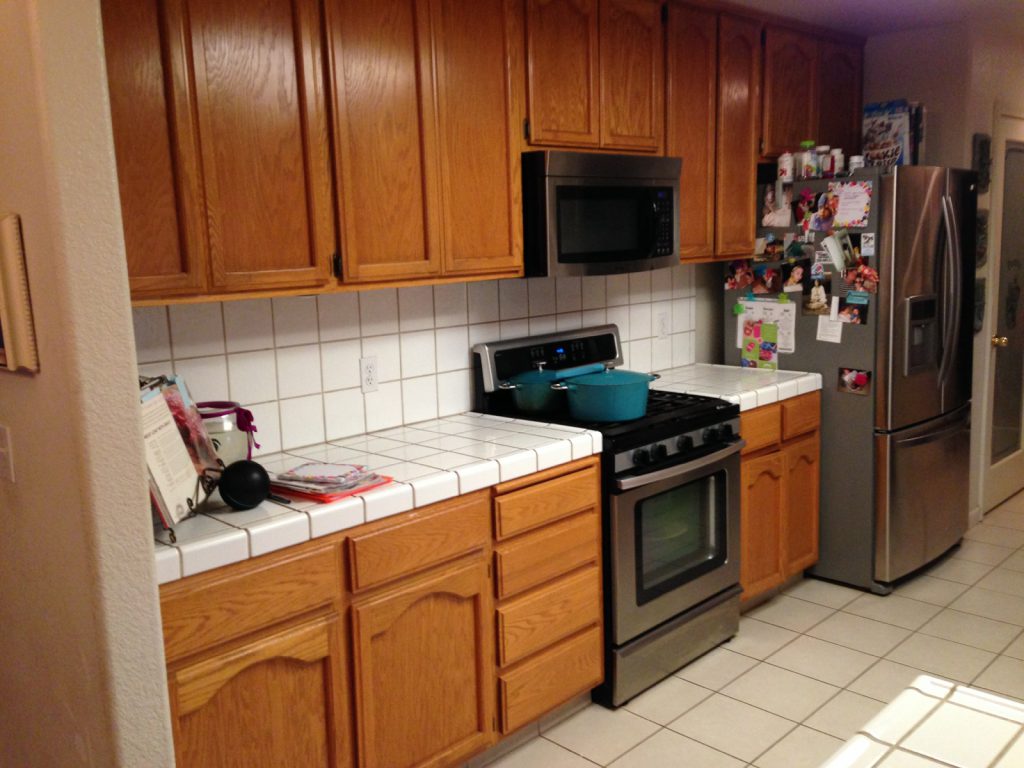
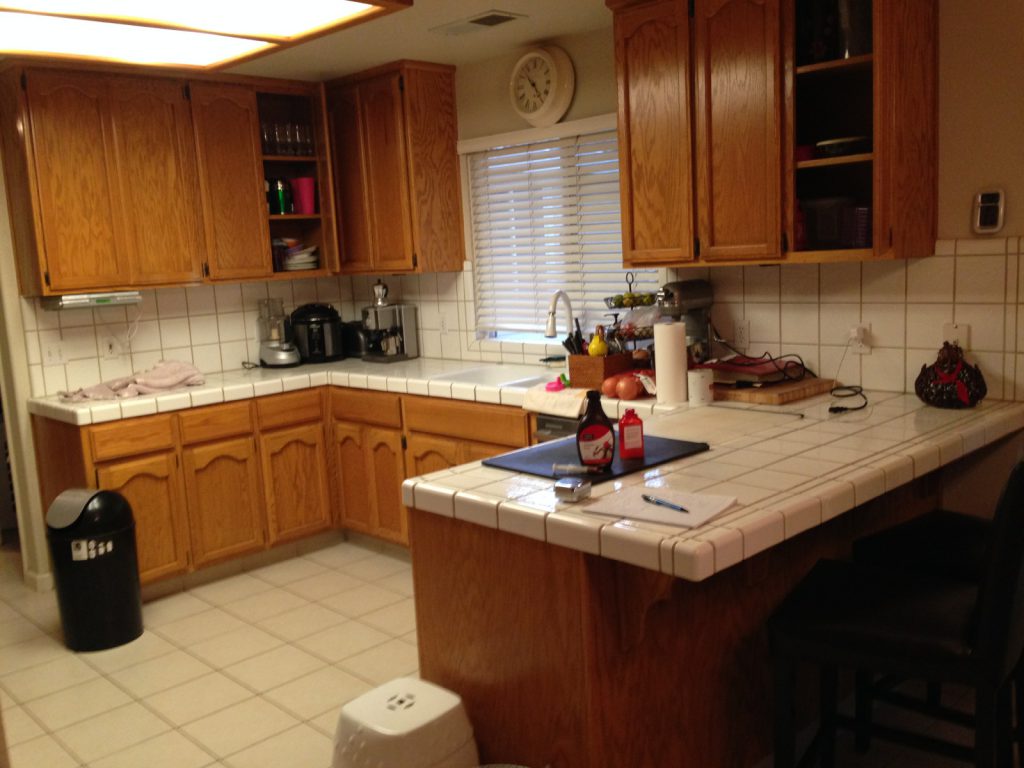
One of the most significant decisions in a kitchen remodel involves the selection of materials. Opting for low-cost options may seem appealing initially; however, investing in high-quality, durable materials pays off in the long run. For example, choosing granite or quartz countertops over laminate can substantially enhance the kitchen’s aesthetic and resilience. Similarly, solid wood cabinetry, though potentially pricier, offers lasting strength and can withstand the rigors of daily use. Homeowners should consider the long-term advantages and durability when selecting materials to avoid premature degradation.
Investing in Long-lasting Fixtures
In the same vein, fixtures such as faucets, sinks, and lighting should not be overlooked. High-quality fixtures may require a higher investment upfront, but their longevity and performance can significantly outweigh cheaper alternatives. Additionally, top-quality fixtures often come with warranties that ensure replacement or repair, providing further peace of mind. By prioritizing quality over cost in key areas, homeowners can create a kitchen that not only meets their immediate aesthetic desires but is also built to endure the demands of everyday life.