
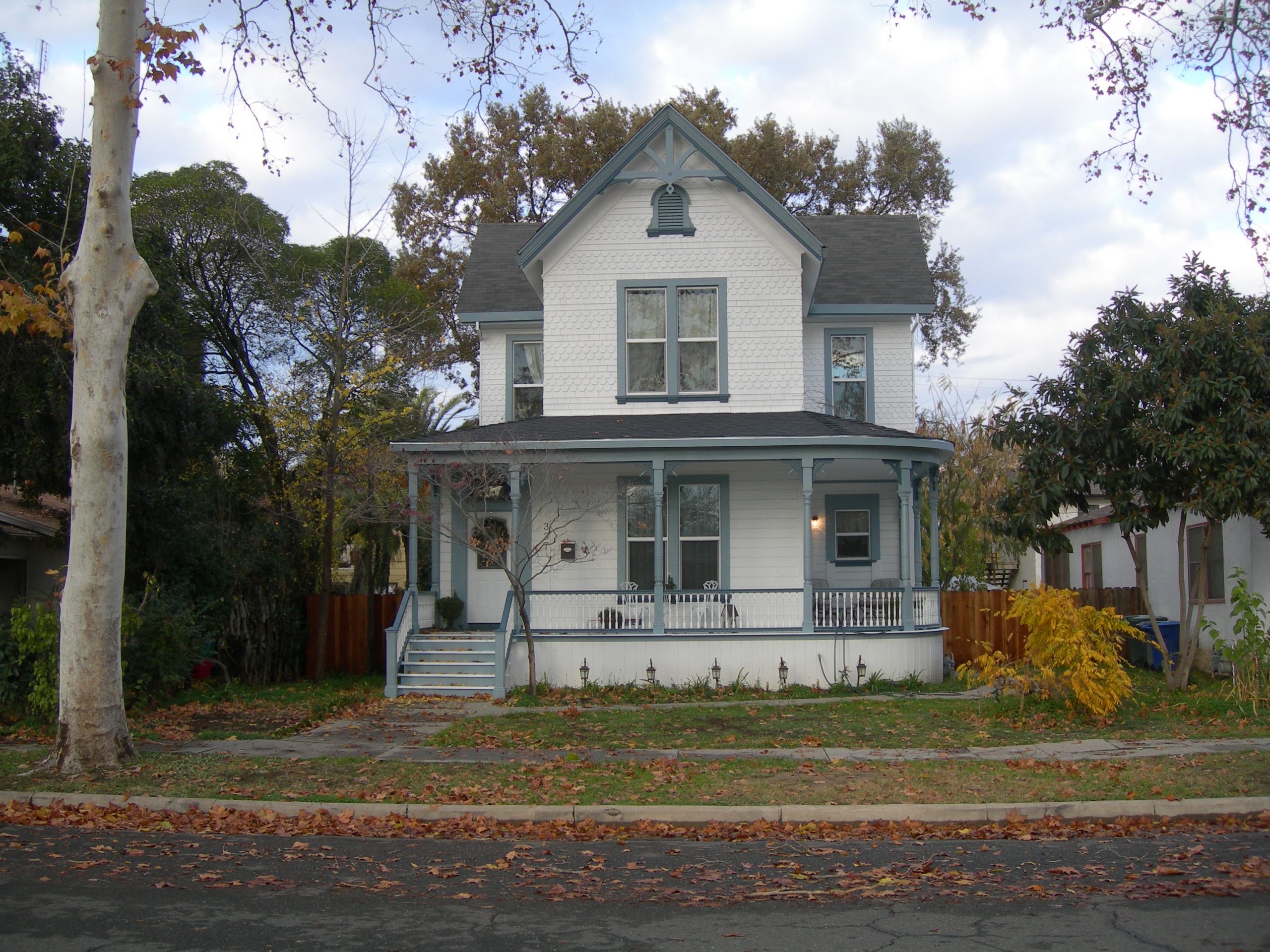
Victorian homes, with their intricate designs and historical significance, are a cherished part of architectural heritage. However, like any structure, they are susceptible to various forms of wear and tear, particularly concerning their foundations. The foundation serves as the bedrock of a home, providing stability and support to the entire structure.
When foundation issues arise, they can lead to a cascade of problems, including structural instability, water intrusion, and even pest infestations. Therefore, understanding the importance of foundation repair in Victorian homes is crucial for homeowners who wish to preserve their property’s integrity and value. Neglecting foundation issues can result in severe consequences that extend beyond mere cosmetic concerns.
Cracks in walls, uneven floors, and doors that stick are often indicators of underlying foundation problems. These issues not only compromise the safety of the home but can also diminish its market value. For homeowners invested in maintaining the historical charm of their Victorian properties, timely foundation repair is essential.
It ensures that the home remains structurally sound while preserving its aesthetic appeal, allowing future generations to appreciate its beauty and craftsmanship.

Key Takeaways
- Victorian foundation repair is crucial for preserving the historical integrity and structural stability of these homes.
- Signs of foundation damage in Victorian homes include cracks in walls, sloping floors, and sticking doors and windows.
- The process of Victorian foundation repair involves assessing the damage, stabilizing the foundation, and making necessary repairs.
- Choosing the right contractor for Victorian foundation repair is essential for ensuring quality work and preserving the historical integrity of the home.
- Materials and techniques used in Victorian foundation repair should be carefully selected to ensure they are compatible with the historical construction of the home.
Signs of Foundation Damage in Victorian Homes
Identifying signs of foundation damage early can save homeowners significant time and money in repairs. In Victorian homes, which often feature unique architectural elements, certain indicators may be more pronounced. One common sign is the appearance of cracks in the walls or ceilings.
These cracks can vary in size and may appear around windows and doors or along the corners of rooms. Homeowners should pay close attention to these signs, as they can indicate shifting or settling of the foundation. Another telltale sign of foundation issues is uneven flooring.
In a Victorian home, where ornate woodwork and intricate flooring patterns are prevalent, any noticeable sloping or sagging can be alarming. Additionally, doors and windows that no longer open or close properly may suggest that the foundation has shifted. Homeowners should also be vigilant about water-related issues, such as dampness in the basement or crawl space, which can exacerbate foundation problems over time.
Recognizing these signs early on is vital for preventing further damage and ensuring the longevity of the home.
The Process of Victorian Foundation Repair


The process of repairing a Victorian home’s foundation typically begins with a thorough inspection by a qualified professional. This assessment involves evaluating the extent of the damage and identifying the underlying causes, such as poor drainage or soil erosion. Once the assessment is complete, a tailored repair plan is developed to address the specific issues at hand.
This plan may include various methods, such as underpinning or piering, depending on the severity of the damage. After establishing a repair strategy, the next step involves preparing the site for work. This may include excavating around the foundation to access the affected areas.
During this phase, it is crucial to take precautions to protect the home’s historical features and landscaping. Once the site is prepared, the actual repair work can commence. This may involve reinforcing the foundation with additional supports or stabilizing it through various techniques.
Throughout this process, it is essential to monitor progress closely to ensure that repairs are executed correctly and effectively.
Choosing the Right Contractor for Victorian Foundation Repair
Selecting a contractor for Victorian foundation repair is a critical decision that can significantly impact the outcome of the project. Homeowners should prioritize finding a contractor with experience specifically in working with historical properties. A contractor familiar with Victorian architecture will understand the unique challenges associated with these homes and will be better equipped to implement appropriate repair techniques without compromising their integrity.
In addition to experience, homeowners should seek out contractors who are licensed and insured. This not only provides peace of mind but also ensures that the work performed meets local building codes and standards. Reading reviews and seeking recommendations from other homeowners can also be beneficial in identifying reputable contractors.
Ultimately, choosing the right contractor involves thorough research and careful consideration to ensure that the repair process is handled professionally and effectively.
Materials and Techniques Used in Victorian Foundation Repair
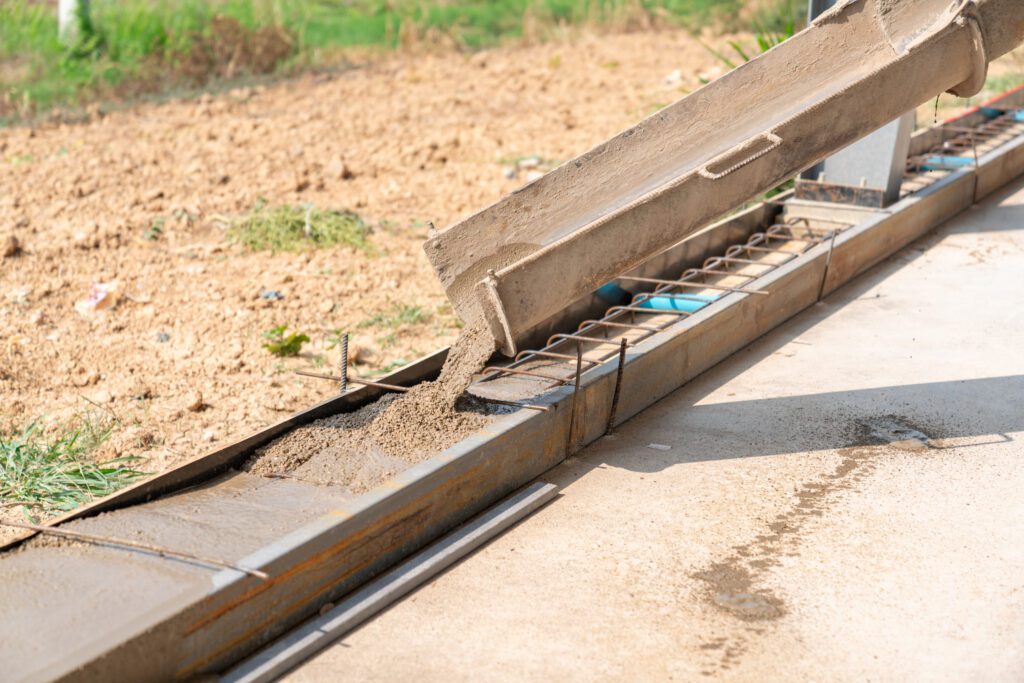
The materials and techniques employed in Victorian foundation repair are crucial for ensuring both structural integrity and aesthetic preservation. Common materials used in foundation repair include concrete, steel piers, and helical anchors. These materials are chosen for their strength and durability, providing long-lasting support for the home’s foundation.
In some cases, traditional materials may be utilized to maintain historical accuracy, particularly when repairs are made to visible areas. Techniques such as underpinning are often employed to strengthen existing foundations. This method involves extending the foundation depth or breadth to reach more stable soil layers below.
Piering is another technique that involves installing piers beneath the foundation to provide additional support. Each method has its advantages and is selected based on the specific needs of the home. By utilizing appropriate materials and techniques, contractors can effectively address foundation issues while preserving the unique character of Victorian homes.
Preserving the Historical Integrity of Victorian Homes During Foundation Repair
One of the most significant challenges in repairing Victorian foundations is maintaining the historical integrity of these homes. Homeowners often have a deep appreciation for their property’s architectural features and want to ensure that any repairs do not detract from its original charm. To achieve this balance, it is essential to work with contractors who specialize in historical restoration and understand the importance of preserving original materials and designs.
During the repair process, careful attention must be paid to any visible elements that could be affected by construction activities. This may involve using specialized techniques to minimize disruption to decorative moldings or unique flooring patterns. Additionally, when selecting materials for repairs, it is vital to choose options that match or complement existing features.
By prioritizing historical preservation throughout the repair process, homeowners can ensure that their Victorian homes retain their character while receiving necessary structural support.
The Cost of Victorian Foundation Repair
The cost of repairing a Victorian home’s foundation can vary widely based on several factors, including the extent of damage, location, and chosen repair methods. Homeowners should be prepared for potential expenses associated with both labor and materials. Generally speaking, more extensive damage will require more significant investment in repairs.
However, it is essential to view this cost as an investment in preserving both the safety and value of the home. Obtaining multiple quotes from different contractors can help homeowners gauge a reasonable price range for their specific situation. While it may be tempting to choose the lowest bid, it is crucial to consider factors such as experience and reputation when making a decision.
Ultimately, investing in quality repairs will yield long-term benefits by preventing further damage and maintaining the home’s historical significance.
Maintaining the Foundation of Victorian Homes for Long-Term Preservation
Once foundation repairs have been completed, ongoing maintenance becomes essential for ensuring long-term preservation of Victorian homes. Homeowners should regularly inspect their properties for signs of new damage or shifting foundations. This proactive approach allows for early detection of potential issues before they escalate into more significant problems.
Additionally, proper drainage around the home is vital for maintaining a stable foundation. Homeowners should ensure that gutters are clean and functioning correctly while also directing water away from the foundation through downspouts and grading adjustments. Regular landscaping maintenance can also help prevent soil erosion around the foundation area.
By taking these preventive measures and remaining vigilant about potential issues, homeowners can enjoy their Victorian homes for years to come while preserving their unique architectural heritage.
FAQs
What is Victorian Foundation Repair?
Victorian Foundation Repair refers to the process of repairing and stabilizing the foundations of historic Victorian homes in Carson Valley to ensure their longevity and structural integrity.
Why is it important to protect Carson Valley’s historic homes?
Carson Valley’s historic homes are valuable cultural and architectural assets that contribute to the area’s unique character and charm. Protecting these homes helps preserve the region’s history and heritage for future generations.
What are the common issues that Victorian homes in Carson Valley face with their foundations?
Common issues with Victorian home foundations in Carson Valley include settling, cracking, and deterioration due to age, weather, and soil conditions. These issues can compromise the structural stability of the homes.
How is Victorian foundation repair carried out?
Victorian foundation repair typically involves assessing the extent of the damage, stabilizing the foundation, and implementing solutions such as underpinning, drainage improvements, and masonry repairs to ensure the long-term stability of the home.
Who should be involved in Victorian foundation repair projects?
Victorian foundation repair projects should be carried out by qualified and experienced professionals such as structural engineers, foundation repair contractors, and historic preservation specialists who understand the unique challenges of working with historic homes.