

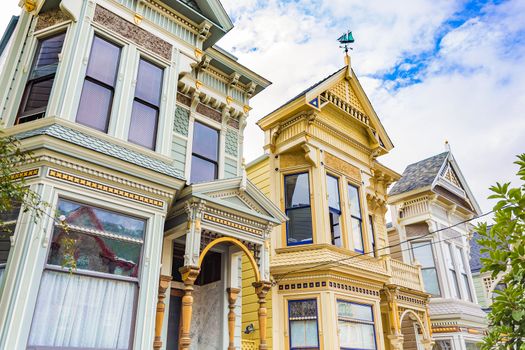
Minden, a charming town steeped in history, boasts a rich tapestry of architectural styles that reflect its evolution over the centuries. The Victorian era, in particular, left an indelible mark on the town’s landscape, with homes that showcase intricate designs and craftsmanship. These structures are not merely buildings; they are tangible connections to the past, embodying the stories and lives of those who once inhabited them.
Understanding the historic significance of Minden requires an appreciation for the cultural and social dynamics that shaped its development, as well as the architectural trends that emerged during the Victorian period. The Victorian homes in Minden serve as a testament to the craftsmanship and artistic expression of their time. They often feature elaborate woodwork, ornate facades, and unique layouts that reflect the values and aspirations of the era.
As one walks through the streets lined with these historic residences, it becomes evident that each home tells a story—of families, of community, and of a time when craftsmanship was paramount. Recognizing this significance is crucial for anyone looking to restore or preserve these architectural gems, as it fosters a deeper respect for their historical context and the importance of maintaining their integrity.
Key Takeaways
- Minden holds significant historic value and understanding its significance is crucial for preserving its heritage.
- Assessing the condition of the Victorian home is essential to determine the extent of restoration and preservation needed.
- Preserving and restoring original architectural features is important for maintaining the authenticity of the Victorian home.
- Choosing authentic Victorian-era materials and finishes is key to achieving an accurate restoration of the home.
- Working with skilled craftspeople and contractors is essential for executing the restoration and preservation work effectively.
Assessing the Condition of the Victorian Home
Before embarking on any restoration project, a thorough assessment of the Victorian home’s condition is essential. This process involves a detailed inspection of both the exterior and interior elements, identifying areas that require attention. Common issues in older homes may include structural damage, deteriorating materials, and outdated systems that no longer meet modern standards.
A comprehensive evaluation not only highlights immediate concerns but also provides insight into the overall health of the property, allowing for informed decision-making regarding restoration efforts. During this assessment, it is vital to document any original features that remain intact, as these elements are often key to preserving the home’s historical character. This includes examining windows, doors, moldings, and other architectural details that contribute to the home’s unique identity.
Additionally, understanding the home’s historical context can guide restoration efforts, ensuring that any repairs or updates align with its original design. By taking the time to assess the condition of the Victorian home thoroughly, homeowners can create a strategic plan that honors its history while addressing necessary improvements.
Preserving and Restoring Original Architectural Features

One of the most rewarding aspects of restoring a Victorian home is the opportunity to preserve and highlight its original architectural features. These elements are not only aesthetically pleasing but also serve as a window into the past, showcasing the craftsmanship and design sensibilities of the era. Whether it’s intricate woodwork, stained glass windows, or decorative cornices, each feature contributes to the home’s character and charm.
Careful restoration of these elements can enhance the home’s historical value while ensuring that its unique identity remains intact. Restoration efforts should prioritize using techniques that respect the original materials and craftsmanship. For instance, when repairing woodwork or moldings, it is essential to match the original profiles and finishes as closely as possible.
This may involve sourcing similar wood species or employing traditional joinery methods. In some cases, it may be necessary to consult with preservation specialists who can provide guidance on best practices for restoring specific features. By focusing on preserving these architectural details, homeowners can maintain the integrity of their Victorian home while celebrating its historical significance.
Choosing Authentic Victorian-era Materials and Finishes
Selecting authentic materials and finishes is crucial in maintaining the historical accuracy of a Victorian home. The materials used during this period were often locally sourced and reflected the craftsmanship of skilled artisans. When undertaking restoration projects, it is important to seek out materials that are true to the era, such as period-appropriate woods, paints, and hardware.
This not only enhances the aesthetic appeal of the home but also ensures that any repairs or renovations align with its historical context. In addition to sourcing authentic materials, homeowners should consider finishes that reflect Victorian design sensibilities. This may include selecting paint colors that were popular during the era or using wallpaper patterns that evoke the style of the time.
By carefully curating these elements, homeowners can create a cohesive look that honors the home’s history while providing a sense of authenticity. Furthermore, investing in quality materials will contribute to the longevity of the restoration efforts, ensuring that the home remains a cherished part of Minden’s architectural heritage for generations to come.
Working with Skilled Craftspeople and Contractors
Restoring a Victorian home requires a level of expertise that goes beyond standard construction practices. Engaging skilled craftspeople and contractors who specialize in historic preservation is essential for achieving high-quality results. These professionals possess a deep understanding of traditional building techniques and materials, allowing them to execute restoration projects with precision and care.
Their expertise can be invaluable in navigating the complexities of working with older structures while ensuring that all work adheres to preservation standards. When selecting contractors for restoration projects, it is important to seek out those with a proven track record in historic preservation. This may involve reviewing portfolios, checking references, and discussing previous projects to gauge their experience with similar homes.
Collaborating with skilled craftspeople not only enhances the quality of workmanship but also fosters a shared commitment to preserving the home’s historical integrity. By investing in expert labor, homeowners can ensure that their restoration efforts are executed with respect for both the past and future of their Victorian home.
Balancing Modern Comfort with Historic Preservation


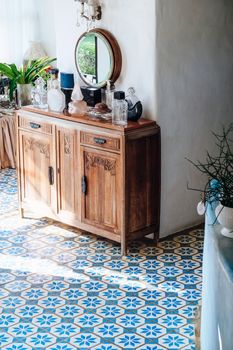
While preserving a Victorian home’s historical character is paramount, it is equally important to consider modern comfort and functionality. Striking a balance between these two aspects can be challenging but ultimately rewarding. Homeowners must navigate updates to systems such as plumbing, electrical wiring, and heating while ensuring that these improvements do not compromise the home’s architectural integrity.
Thoughtful planning can lead to solutions that enhance comfort without detracting from the home’s historic charm. Incorporating modern amenities can also enhance the livability of a Victorian home without sacrificing its character. For instance, installing energy-efficient windows or modern insulation can improve energy efficiency while maintaining original aesthetics.
Additionally, integrating smart home technology discreetly can provide convenience without disrupting historical features. By approaching modernization with sensitivity and creativity, homeowners can enjoy contemporary comforts while honoring their home’s rich history.
Navigating Historic Preservation Regulations and Guidelines
Restoring a Victorian home often involves navigating a complex landscape of historic preservation regulations and guidelines. Many towns have specific rules governing alterations to historic properties to ensure that their architectural integrity is maintained. Understanding these regulations is crucial for homeowners embarking on restoration projects, as non-compliance can lead to fines or mandated reversals of work completed without proper approval.
To successfully navigate these regulations, homeowners should familiarize themselves with local preservation ordinances and guidelines set forth by historic preservation boards or commissions. Engaging with these organizations early in the restoration process can provide valuable insights into what is permissible and what requires special approval. Additionally, consulting with preservation specialists or legal experts in historic preservation can help clarify any uncertainties regarding compliance.
By proactively addressing regulatory considerations, homeowners can ensure that their restoration efforts align with both legal requirements and best practices in historic preservation.
Maintaining and Caring for the Victorian Home
Once restoration efforts are complete, ongoing maintenance becomes essential for preserving the beauty and integrity of a Victorian home. Regular inspections should be conducted to identify any signs of wear or damage before they escalate into more significant issues. This includes checking for water damage, inspecting roofing materials, and ensuring that windows and doors are properly sealed against the elements.
Establishing a routine maintenance schedule can help protect against deterioration while keeping the home in optimal condition. Caring for a Victorian home also involves understanding its unique needs based on its age and construction style. Homeowners should educate themselves about appropriate cleaning methods for historic materials and finishes to avoid unintentional damage.
For example, using harsh chemicals on original woodwork or finishes can lead to deterioration over time. By adopting a thoughtful approach to maintenance and care, homeowners can ensure that their Victorian residence remains a cherished part of Minden’s architectural heritage for years to come. In conclusion, restoring and preserving a Victorian home in Minden is a multifaceted endeavor that requires careful consideration at every stage—from understanding its historical significance to navigating regulations and maintaining its beauty over time.
By approaching this process with respect for both history and modern needs, homeowners can create a living space that honors its past while providing comfort for future generations.
FAQs
What is historic preservation?
Historic preservation is the practice of protecting and maintaining buildings, structures, and landscapes of historical significance. This can include restoring and renovating historic properties to preserve their original character and architectural features.
Why is it important to preserve historic homes?
Preserving historic homes is important for maintaining a connection to the past, conserving architectural heritage, and contributing to the character and identity of a community. It also helps to promote sustainable development and tourism.
What are some tips for renovating a Victorian home?
When renovating a Victorian home, it’s important to research the architectural style and historical context of the property. It’s also crucial to work with preservation professionals who understand the unique challenges and requirements of historic renovation projects. Additionally, using period-appropriate materials and techniques can help maintain the authenticity of the home.
What are some common challenges in renovating historic homes?
Common challenges in renovating historic homes include navigating preservation regulations and guidelines, sourcing period-appropriate materials, addressing structural issues, and integrating modern amenities while preserving the historic character of the property.
Are there any financial incentives for preserving historic homes?
Many local, state, and federal governments offer financial incentives, such as tax credits and grants, to support the preservation of historic homes. These incentives are designed to offset the costs of renovation and encourage property owners to maintain the historical integrity of their homes.


