The Victorian Era, spanning from 1837 to 1901, was a time of significant change and innovation in various fields, including architecture, design, and technology. This period is characterized by its ornate aesthetics and a fascination with the past, which led to a revival of historical styles. Lighting during this time was not merely functional; it was an essential element of interior design that reflected the social status and tastes of the homeowner.
The introduction of gas lighting in the early part of the era marked a pivotal shift, allowing for more elaborate and decorative fixtures that illuminated homes in ways previously unimaginable. As the Victorian Era progressed, electric lighting began to emerge, further transforming the landscape of home illumination. The interplay between gas and electric lighting created a unique atmosphere that was both warm and inviting.
This duality allowed homeowners to express their individuality through their choice of lighting fixtures, which often featured intricate designs, rich materials, and elaborate detailing. Understanding this historical context is crucial for anyone looking to recreate the charm of a Victorian home, as it provides insight into the types of lighting that were popular and how they can be integrated into modern spaces.
Key Takeaways
- The Victorian Era was a time of opulence and grandeur, influencing the design and style of lighting fixtures.
- When choosing lighting fixtures for a Victorian home, consider the era’s ornate and intricate designs, such as chandeliers and sconces.
- Incorporating both gas and electric lighting can add authenticity to a Victorian home, while also providing modern convenience.
- Proper placement and sizing of lighting fixtures is crucial to maintaining the authenticity and functionality of Victorian lighting.
- Selecting period-correct materials and finishes, such as brass and stained glass, will enhance the Victorian aesthetic of the lighting fixtures.
Choosing the Right Lighting Fixtures for a Victorian Home
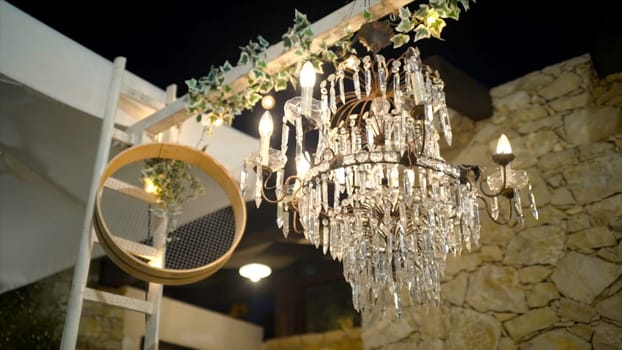
Selecting appropriate lighting fixtures for a Victorian home involves more than just aesthetics; it requires an understanding of the era’s design principles. Victorian lighting fixtures are typically characterized by their elaborate designs, often featuring intricate metalwork, stained glass, and crystal embellishments. Chandeliers, wall sconces, and table lamps were commonly used to create a layered lighting effect that added depth and warmth to interiors.
When choosing fixtures, it is essential to consider not only their visual appeal but also how they will complement the overall design of the space. In addition to style, functionality should also be a key consideration. Many Victorian homes had high ceilings, which necessitated larger fixtures to ensure adequate illumination.
Opting for oversized chandeliers or grand pendant lights can help maintain the scale of the room while providing sufficient light. Furthermore, incorporating a mix of different types of fixtures—such as floor lamps and wall sconces—can enhance the ambiance and create a more inviting atmosphere. By carefully selecting lighting fixtures that reflect the opulence of the Victorian Era, homeowners can successfully evoke the charm and elegance that define this historical period.
Incorporating Gas and Electric Lighting for Authenticity
To achieve an authentic Victorian aesthetic, it is essential to incorporate both gas and electric lighting into the design scheme. Gas lighting was widely used in the early part of the Victorian Era and was often seen as a symbol of modernity and sophistication. Many original Victorian homes still feature gas lines, making it possible to restore or install gas fixtures that reflect the era’s style.
These fixtures can add a unique character to a space while providing a warm glow that is difficult to replicate with electric lighting alone. As electric lighting became more prevalent later in the Victorian Era, homeowners began to blend both types of illumination for practical reasons. This combination allowed for greater flexibility in lighting design and enabled homeowners to create different moods throughout their spaces.
For instance, gas fixtures can be used in dining rooms or parlors for intimate gatherings, while electric lights can provide brighter illumination in kitchens or workspaces. By thoughtfully integrating both gas and electric lighting, homeowners can create a layered lighting scheme that honors the historical significance of the Victorian Era while meeting modern needs.
Proper Placement and Sizing of Lighting Fixtures

The placement and sizing of lighting fixtures are critical components in achieving a harmonious design within a Victorian home. High ceilings often found in these residences call for larger fixtures that can command attention without overwhelming the space. Chandeliers should be hung at an appropriate height to ensure they do not obstruct views or impede movement while still making a statement.
A general rule of thumb is to hang chandeliers approximately 30 to 36 inches above dining tables or kitchen islands, allowing for ample clearance. In addition to chandeliers, wall sconces should be strategically placed to enhance architectural features or artwork while providing ambient light. These fixtures should be mounted at eye level or slightly above to create an inviting glow without causing glare.
When considering table lamps or floor lamps, it is essential to assess the scale of furniture pieces to ensure that they complement rather than compete with other elements in the room. By carefully considering placement and sizing, homeowners can create a cohesive lighting design that enhances the beauty of their Victorian home.
Selecting Period-Correct Materials and Finishes
When designing a Victorian home, selecting period-correct materials and finishes is vital for authenticity. The Victorian Era was marked by an appreciation for craftsmanship and quality materials, which were often reflected in lighting fixtures. Common materials included brass, wrought iron, and glass, each contributing to the overall aesthetic of the space.
Opting for fixtures made from these materials can help evoke the elegance associated with this historical period. Finishes also play a significant role in achieving an authentic look. Polished brass was a popular choice during the Victorian Era, often used in chandeliers and sconces to create a warm glow.
Alternatively, antique finishes such as oil-rubbed bronze or aged copper can add character and depth to fixtures while maintaining a period-appropriate appearance. Additionally, incorporating stained glass elements can enhance the visual interest of lighting fixtures and provide a beautiful play of color when illuminated. By carefully selecting materials and finishes that reflect the craftsmanship of the era, homeowners can create a cohesive design that honors Victorian heritage.
Working with a Professional Electrician for Safe Installation

While many homeowners may feel confident in their ability to install lighting fixtures themselves, working with a professional electrician is crucial for ensuring safety and compliance with local codes. This is especially important when dealing with older homes that may have outdated wiring or electrical systems. A qualified electrician can assess the existing infrastructure and recommend necessary upgrades or modifications to accommodate new lighting installations.
Moreover, professional electricians possess the expertise needed to handle gas lines safely if gas lighting is being incorporated into the design. They can ensure that all connections are secure and functioning correctly while adhering to safety regulations. By enlisting the help of a professional, homeowners can have peace of mind knowing that their lighting fixtures are installed correctly and safely, allowing them to enjoy their beautifully illuminated Victorian home without worry.
Maintaining and Caring for Period-Correct Lighting Fixtures
Maintaining period-correct lighting fixtures is essential for preserving their beauty and functionality over time. Regular cleaning is necessary to prevent dust buildup that can dull finishes and obscure intricate details. For metal fixtures, using a soft cloth with mild soap and water can help maintain their luster without causing damage.
It is important to avoid harsh chemicals or abrasive materials that could scratch or tarnish surfaces. In addition to cleaning, periodic inspections are crucial for ensuring that all electrical components are functioning correctly. Homeowners should check for any signs of wear or damage, such as frayed wires or flickering bulbs, which may indicate underlying issues that need addressing.
For gas fixtures, regular maintenance is equally important; ensuring that gas lines are leak-free and that burners are clean will help maintain safety and efficiency. By committing to regular care and maintenance, homeowners can keep their period-correct lighting fixtures looking beautiful while ensuring they remain safe and functional.
Adding the Finishing Touches with Victorian Style Lampshades and Accessories
To complete the look of a Victorian home, adding finishing touches such as lampshades and accessories can enhance the overall aesthetic while providing additional layers of light. Victorian-style lampshades often feature rich fabrics like silk or velvet adorned with fringe or beading, adding texture and elegance to any room. Choosing shades that complement existing decor will help create a cohesive look throughout the space.
Accessories such as candle holders or decorative bowls can also contribute to the Victorian ambiance by adding warmth and charm. Incorporating elements like vintage books or framed photographs on side tables can further enhance the nostalgic feel of the home. By thoughtfully selecting lampshades and accessories that reflect the opulence of the Victorian Era, homeowners can create an inviting atmosphere that pays homage to this rich historical period while making their space feel uniquely theirs.
FAQs
What is period-correct lighting for Victorian homes?
Period-correct lighting for Victorian homes refers to the use of lighting fixtures and designs that were popular and commonly used during the Victorian era, which lasted from 1837 to 1901. This includes chandeliers, sconces, and other decorative lighting elements that reflect the style and aesthetic of the Victorian period.
What are some common types of period-correct lighting for Victorian homes?
Common types of period-correct lighting for Victorian homes include gaslight fixtures, elaborate chandeliers with crystal or glass accents, ornate wall sconces, and Tiffany-style stained glass lamps. These fixtures often feature intricate details, such as filigree, floral motifs, and decorative glass shades.
How can I install period-correct lighting in my Victorian home?
To install period-correct lighting in your Victorian home, it’s important to research and select fixtures that are authentic to the Victorian era. You may also consider working with a professional lighting designer or restoration specialist who can help source and install period-correct fixtures while ensuring they meet modern safety and electrical standards.
Are there modern reproductions of period-correct lighting for Victorian homes?
Yes, there are many modern reproductions of period-correct lighting fixtures that are designed to mimic the style and aesthetic of Victorian-era lighting. These reproductions often incorporate modern materials and technology while staying true to the ornate and decorative elements of Victorian lighting design.
What are some considerations when choosing period-correct lighting for a Victorian home?
When choosing period-correct lighting for a Victorian home, it’s important to consider the scale and proportion of the fixtures in relation to the room size and ceiling height. Additionally, you’ll want to ensure that the lighting complements the overall design and decor of the home while providing adequate illumination for modern living needs.